
Views: 0 Author: Site Editor Publish Time: 2025-11-10 Origin: Site


You use a neoprene o-ring when you need a good seal. Neoprene stands up to sunlight, ozone, and many chemicals. This makes it a strong choice for hard places. You see o-rings in cars, planes, oil and gas, and food factories. Many people like neoprene because it stays in shape. It also stops leaks, even in bad weather or with chemicals.
| Industry | Applications |
|---|---|
| Automotive | General-purpose sealing |
| Aerospace | Sealing in critical components |
| Oil & Gas | Sealing in pipelines and equipment |
| Industrial Machinery | General sealing in machinery |
| Medical & Healthcare | Sealing in medical devices |
| Food & Beverage | Sealing in food processing |
Neoprene o-rings seal things very well in many industries. They are used in cars, planes, and food factories. These o-rings can handle chemicals, sunlight, and ozone. This makes them good for outside and tough places. Keep neoprene o-rings between -35°F and 225°F. This helps them stay bendy and work well. Check neoprene o-rings often for damage like cracks or hard spots. This stops leaks and problems. Pick the right o-ring material for your job. This helps it work best and last longer.

Image Source: unsplash
Neoprene o-rings can handle tough chemicals and bad weather. They do not break down fast when near oils or fuels. You can trust them for some oil and fuel resistance. Neoprene also fights off ozone and UV rays. This means it works well outside or in sunlight.
Moderate oil and fuel resistance
Excellent weather and ozone resistance
Thermal stability
People use neoprene in fridges and outdoor electrical boxes. It stands up to petroleum oils and things like ozone and UV. Neoprene does not do as well as EPDM in water or steam. But it works better in many other places.
Studies show neoprene o-rings mostly break down from oxidation. Changes in temperature make this happen faster. Adding clay filler helps neoprene fight oxidation, especially when it is cold.
| Key Findings | Description |
|---|---|
| Oxidative Degradation | Neoprene breaks down mainly because of oxidation, not dehydrochlorination. |
| Temperature Effects | High temperatures make oxidation and changes happen faster. |
| Antioxidant Effects | Clay filler helps neoprene resist oxidation at lower temperatures. |
It is important to know how neoprene o-rings handle heat and cold. They work well from -35°F to 225°F (-37°C to 107°C). If you keep them in this range, they stay flexible and seal tightly. If it gets too hot or cold, the o-ring can break down and stop sealing.
| Temperature Range | Material |
|---|---|
| -35°F to 225°F | Neoprene |
| -37°C to 107°C | Neoprene |
If the temperature goes past the limits, the material can break down.
The seal may fail if the temperature is not right.
Keeping the right temperature helps the o-ring stay stretchy and seal well.
How long neoprene o-rings last depends on how you use them. Tests show that age, heat, and chemicals can change the o-ring over time. Compression tests help you see how well the seal holds up. If you use neoprene o-rings the right way, they last longer and keep things safe.
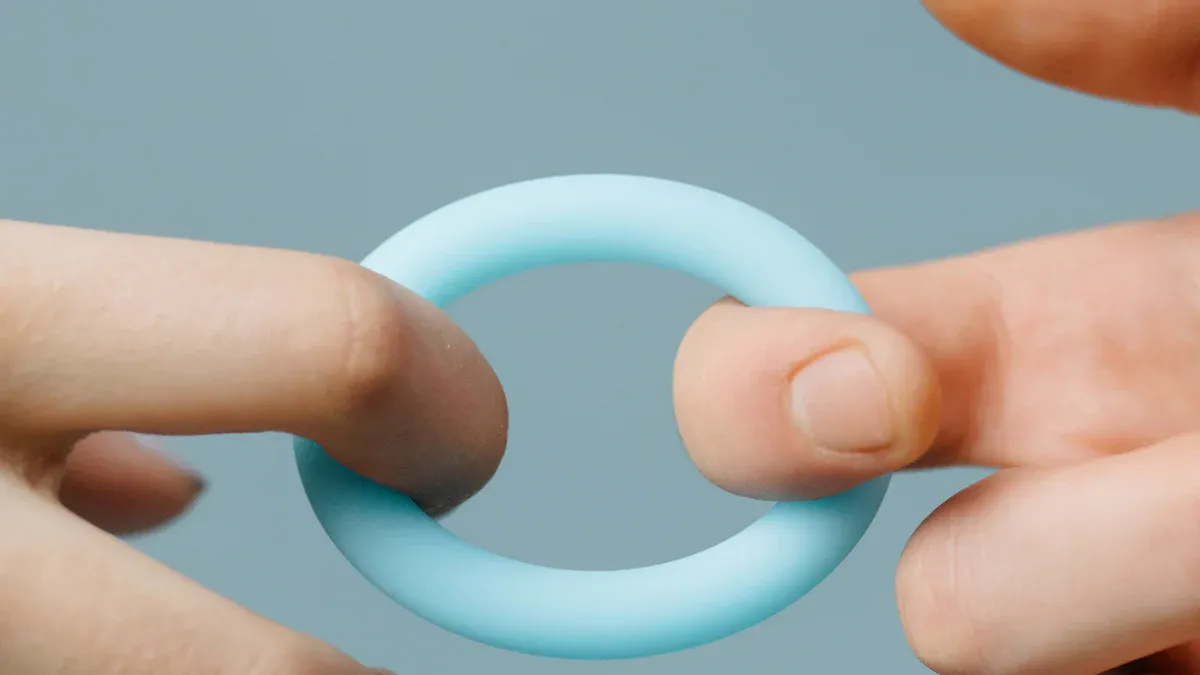
Image Source: pexels
Neoprene o-ring seals are used in cars and trucks. These rings help keep fluids inside engines. They stop leaks in fuel systems. You find them in engine gaskets and shock absorbers. They are also in vibration mounts. Neoprene o-ring seals can handle oil and fuel. This makes them good for tough places. They work well in brake systems and transmission lines. Using them helps your car run safely. They also help your car run smoothly. If you want your car parts to last longer, use neoprene o-ring seals. They are strong and work in hard conditions.
Tip: Neoprene o-ring seals help you avoid expensive repairs. They stop leaks in important car systems.
Neoprene o-ring seals are used in boats and outdoor gear. You need seals that resist sunlight and ozone. They also need to resist water. Neoprene o-ring seals do this job well. You find them in boat engines and outdoor pumps. They are also in electrical boxes. These rings keep water out of your equipment. They protect things from weather damage. If you use outdoor lights or irrigation, neoprene o-ring seals help. They keep moisture away from wires and connectors. Neoprene o-ring seals resist UV rays and ozone. This makes them great for outdoor use.
Neoprene o-ring seals resist UV rays and ozone. They also resist sunlight. This makes them good for outdoor jobs.
They are used in marine engines and outdoor pumps. They help stop leaks.
They seal cables and protect equipment from weather.
Neoprene o-ring seals are used in many machines. They help keep machines working. They stop leaks in pipelines and fluid systems. In HVAC systems, neoprene o-ring seals make tight seals. This saves energy and keeps air inside. You find them in fridges and compressors. They are also in coolant lines. Neoprene o-ring seals do not burn easily. This makes them safe for heating and cooling systems. Changing neoprene o-ring seals often helps your machines work better. It also helps you avoid breakdowns.
| Property/Benefit | Description |
|---|---|
| Environmental Resistance | Neoprene O-rings resist ozone and weather. They are good for outdoor use. |
| Oil and Chemical Resistance | They resist oils and chemicals. This helps in many factories. |
| Airtight Seals | They help save energy in HVAC systems. They stop air leaks. |
| Temperature Range | They work from –40°C to 121°C. They are good for coolants. |
| Flame Retardant | They do not burn easily. This makes them safe in HVAC. |
| Maintenance Requirement | Change them often to keep things working well. |
Neoprene o-ring seals help stop leaks in these systems. They also make machines more reliable. You should watch for ways they can fail:
| Failure Mode | Description |
|---|---|
| Heat Hardening | The material gets hard. It does not bend well. This can cause leaks. |
| Plasticizer Volatilization | Some parts leave the ring. It shrinks and does not seal right. |
| Oxidative Cracking | Cracks or pits form on the ring. This can start leaks. |
| Compression Set | The ring changes shape from heat. It loses sealing power and leaks. |
Neoprene o-ring seals are used in many products. These rings keep air, water, and chemicals inside. You find them in fire doors and fridges. They are also in communication devices. Neoprene o-ring seals do not burn easily. This makes them safe for fire doors. They work with ammonia and Freon. This means you can use them in fridges and freezers. If you need a seal for outdoor gear, neoprene o-ring seals are a good choice. They resist UV rays and bad weather.
| Application Area | Description |
|---|---|
| Outdoor Applications | Good for sealing cables and outdoor equipment. They resist UV and weather. |
| Refrigeration Systems | Used for sealing. They work with ammonia and Freon. |
| HVAC | Used in heating and cooling systems. |
| Transportation | Used for sealing in cars and trucks. |
| Communication & IT | Used in phones and computers for sealing. |
| Fire Safety | Used in fire doors. They do not burn easily. |
| Industrial Applications | Good for tough jobs in factories. They handle heat and chemicals. |
Neoprene o-ring seals work in many places. They are flexible and reliable. You see them in many common uses. They help stop leaks and keep things safe.
Neoprene o-rings help keep things safe and sealed. They work in many places and last a long time. You can use them in wet, hot, or cold spots. They are found in cars, boats, and machines. Neoprene stays bendy, so it does not crack fast. It keeps its shape even when the weather changes. This means you get a tight seal every time.
Here is a table that shows why many people pick neoprene o-rings:
| Advantage | Description |
|---|---|
| Durability | Neoprene lasts a long time. You can use it in many jobs. |
| Waterproof Properties | It stops water from getting in. This helps in wet places. |
| Thermal Stability | Neoprene stays flexible from -40°C to +120°C. |
| Chemical Resistance | It does not break down with oils or fuels. You can use it with chemicals. |
| Versatility | You can use neoprene o-rings in many different ways. |
| Corrosion Resistance | Neoprene resists UV, ozone, and oxidation. It works well outside and in tough places. |
Tip: Neoprene o-rings are great for outdoor or chemical jobs. They give strong protection in hard places.
Neoprene o-rings have some things you should know. They cost more than nitrile o-rings. If you want to save money, you might pick something else. Neoprene can get hard in very cold weather. It may crack if it gets too cold. High humidity can make neoprene swell and leak. Sunlight and ozone can also hurt neoprene over time. Pollution and some chemicals can make neoprene lose its stretch and break.
Here is a table that shows some limits of neoprene o-rings:
| Material | Properties | Cost Comparison |
|---|---|---|
| Neoprene | Oil-resistant, weather-resistant, ozone-resistant | Higher cost than nitrile |
| Nitrile | Similar properties | Lower cost |
You should look at where you will use neoprene o-rings. The table below shows what can change how neoprene o-rings work:
| Factor | Impact on Neoprene O-Rings |
|---|---|
| Low Temperature | Neoprene can get stiff and crack. |
| Humidity and Moisture | High humidity can make neoprene swell and leak. |
| UV Radiation | Sunlight can cause cracks and damage. |
| Ozone Exposure | Ozone can make neoprene crack and fail early. |
| Environmental Contaminants | Pollution can make neoprene brittle and lose its stretch. |
Note: Always check the temperature and chemicals around you before picking neoprene o-rings.
Neoprene and Buna are not the same. Neoprene stands up to weather and ozone better than Buna. Buna is stronger when it comes to oil. If you work with lots of oil or fuel, Buna o-rings last longer. Neoprene is good for outdoor use. Sunlight and ozone do not hurt it as much.
| Property | Buna-N (Nitrile Rubber) | Neoprene (Chloroprene Rubber) |
|---|---|---|
| Oil Resistance | Excellent | Moderate |
| Weather Resistance | Poor | Excellent |
| Temperature Range | -40°C to +120°C | Slightly narrower range |
Many industries use Buna o-rings for hard jobs. You see them in planes, oil rigs, farms, and food factories. These places need seals that handle strong chemicals and big temperature changes.
| Industry | Reasons for Preference |
|---|---|
| Aerospace Industry | Handles pressure, wide temperature range, resists aircraft fuels. |
| Oil and Gas Industry | Works under pressure, resists oil-based fluids. |
| Agricultural Industry | Handles chemicals, temperature changes, hydraulic systems. |
| Food Processing Industry | Durable, resists oils and fats, safe for food. |
HSN is very tough. You use HSN o-rings for high heat and strong chemicals. Neoprene protects against weather and ozone. HSN works better with chemicals and heat. If you need seals for engines or big machines, HSN lasts longer. Neoprene is best for outdoor jobs with sunlight or ozone.
Tip: Use HSN for engines or chemical plants. Pick neoprene for outdoor or general sealing jobs.
Think about many things before picking an o-ring. Look at where you will use it. Check if it matches the chemicals and pressure. Make sure it fits the temperature. Check the hardness, size, and price. Think about how it handles wear, tears, ozone, and electricity.
Chemical compatibility
Sealing pressure
Temperature
Durometer
Size
Cost
Abrasion resistance
Tear resistance
Ozone resistance
Electrical resistance properties
The o-ring material should match your environment. Some o-rings work better in hot places. Others resist chemicals or pressure. You should check rules like ISO 3601 for size and quality. The material and hardness matter for each job.
Note: Each o-ring material has its own strengths. Some stretch more. Some work better in moving parts. Always pick the right material for your job to get the best seal.
Neoprene o-rings are used in lots of jobs. They last a long time and do not break from weather or chemicals. They also do not tear easily. These o-rings make strong seals in cars and outdoor gear. They also work well in fridges. Neoprene costs more than NBR. But you get fewer problems and the o-ring lasts longer.
| Material | Upfront Cost | Service Life | Warranty Claims Reduction |
|---|---|---|---|
| Neoprene | Higher | Longer | Up to 30% |
| NBR | Lower | Shorter | N/A |
When picking an o-ring, look at the fluids it will touch. You should also check the temperature and pressure. Not every o-ring works for every job. Always pick the right o-ring for what you need. This helps you get the best results.
You can expect a neoprene o-ring to last several years if you use it in the right conditions. Heat, chemicals, and sunlight can shorten its life. Regular checks help you spot wear early.
You can use neoprene o-rings with gasoline, but they work best with moderate oil and fuel exposure. For heavy fuel contact, Buna o-rings may last longer.
Store neoprene o-rings in a cool, dry place. Keep them away from sunlight and ozone. Use sealed bags or containers to protect them from dust and air.
Look for cracks, flat spots, or hard surfaces. If you see leaks or the o-ring feels brittle, replace it. Regular inspection helps you avoid bigger problems.
| Feature | Neoprene O-rings | Other O-rings |
|---|---|---|
| Weatherproof | ✅ | Varies |
| Oil Resistance | Moderate | Varies |
| Cost | Medium | Low to High |
You get better weather and ozone resistance with neoprene.


