
Views: 0 Author: Site Editor Publish Time: 2026-01-19 Origin: Site


Flat rubber gaskets are essential components in many industries. They ensure effective sealing and prevent leaks. However, without proper maintenance, their lifespan can be significantly reduced.
In this article, we’ll explore practical tips for maintaining flat rubber gaskets. You’ll learn how to extend their life and enhance their performance.
Flat rubber gaskets are crucial components designed to create a tight seal between surfaces. They prevent leaks and protect equipment from contaminants. These gaskets come in various shapes and sizes, tailored to fit specific applications.
Common materials used for flat rubber gaskets include:
● NBR (Nitrile Rubber): Known for its excellent oil resistance, it's suitable for automotive and industrial applications.
● EPDM (Ethylene Propylene Diene Monomer): This material handles extreme temperatures and is ideal for outdoor use.
● Silicone Rubber: It maintains flexibility in high and low temperatures, making it perfect for food and medical applications.
● FKM (Fluoroelastomer): Known for its chemical resistance, it is often used in harsh environments.
Here’s a quick comparison of these materials:
Material | Temperature Range | Key Properties |
NBR | -20°C to 110°C | Oil resistance, good wear resistance |
EPDM | -57°C to 176°C | Weather resistant, high-temperature resistance |
Silicone | -100°C to 300°C | Non-toxic, maintains elasticity |
FKM | -20°C to 200°C | Chemical resistance, high heat resistance |
Flat rubber gaskets find applications in various industries due to their versatility and reliability. Here are some common sectors where they are utilized:
● Automotive Industry: Gaskets are used in engines, transmissions, and fuel systems to prevent leaks and ensure proper function. For example, NBR gaskets are commonly found in oil seals and fuel system components.
● Electronics Industry: These gaskets protect sensitive components from moisture and dust. Silicone gaskets are often used in electronic enclosures to maintain a clean environment.
● Food and Medical Applications: In these sectors, hygiene is critical. Silicone gaskets are preferred for food processing equipment and medical devices due to their non-toxic nature and ability to withstand sterilization processes.
● Chemical and Petrochemical Industries: FKM gaskets are widely used in pipelines and valves to handle aggressive chemicals and high temperatures.
In summary, flat rubber gaskets are essential for ensuring the integrity and efficiency of various systems across multiple industries. Their unique properties and adaptability make them indispensable in modern applications.
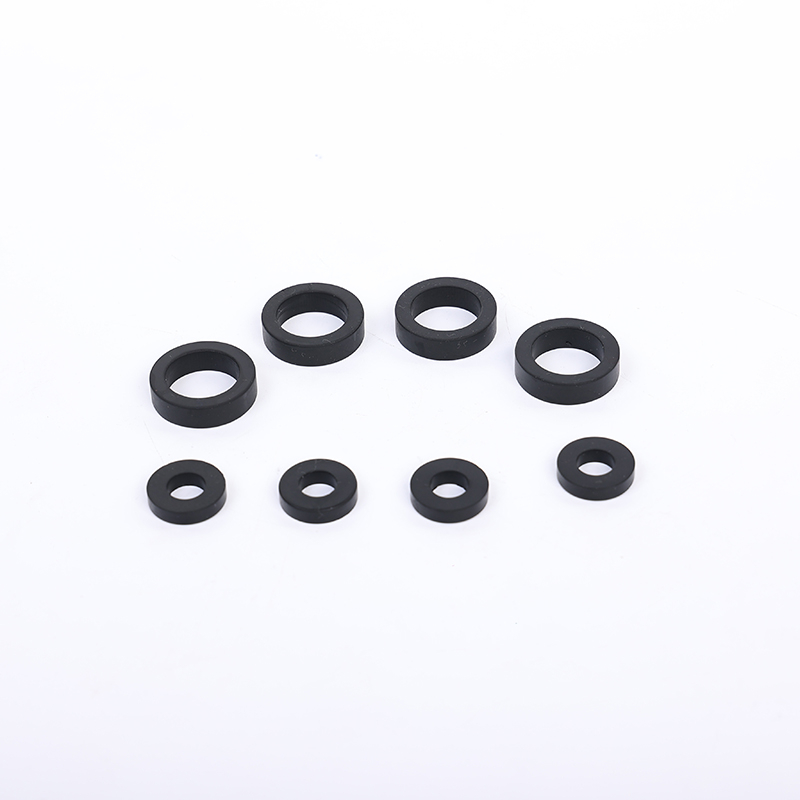
Maintaining flat rubber gaskets is crucial for their performance and longevity. Neglecting maintenance can lead to significant issues, such as leaks and system failures. When gaskets wear out or degrade, they can no longer provide the necessary seal, which can compromise the entire system. This not only affects efficiency but also poses safety risks in critical applications.
The cost implications of replacing gaskets can be substantial. Consider this: the price of a new gasket is often much lower than the potential costs associated with equipment downtime, repairs, and lost productivity. Regular maintenance helps avoid these expenses. Here’s a quick overview of the costs involved:
Cost Factor | Replacement Cost | Maintenance Cost |
Downtime | High | Minimal |
Equipment Repair | Very High | Low |
Loss of Productivity | Significant | Negligible |
Gasket Replacement | Moderate | Low |
Cixi Lixu Rubber Products Co., Ltd. emphasizes the importance of proper maintenance for their high-quality gaskets. They manufacture gaskets using advanced materials like NBR and EPDM, known for their durability and resistance to wear. However, even the best gaskets need care.
By following maintenance guidelines, users can ensure that Lixu’s flat rubber gaskets perform optimally throughout their lifespan. It’s not just about buying quality products; it’s also about keeping them in top shape. Regular inspections, proper cleaning, and timely replacements are key to maximizing the value of your investment.
To ensure the longevity of flat rubber gaskets, proper storage is essential. The recommended temperature range for storing these gaskets is between 15°C and 25°C. This moderate climate helps prevent degradation. Additionally, maintaining low humidity levels is crucial. High humidity can lead to mold growth and material breakdown, which can compromise the integrity of the gaskets over time.
Light protection is another key factor. Exposure to direct sunlight can cause rubber to deteriorate due to UV radiation, leading to cracks and loss of elasticity. It’s best to store gaskets in a dark, cool environment, away from direct sunlight and heat sources. Here are some best practices for effective storage:
● FIFO Method: Use the "First In, First Out" method for inventory management. This ensures older gaskets are used first, reducing the chance of using degraded materials.
● Avoid Compression: Store gaskets flat and avoid stacking them under heavy objects to prevent deformation. Consider using racks or shelves to keep them organized and off the ground.
● Air Quality: Keep the storage area well-ventilated to prevent the buildup of harmful gases. Poor air quality can accelerate the aging process of rubber materials.
Proper installation is critical for the performance of flat rubber gaskets. Before installation, surface preparation is vital. Ensure that surfaces are clean, dry, and free from debris. This guarantees a better seal and enhances gasket performance, reducing the likelihood of leaks.
Here are detailed steps for correct installation:
1. Surface Preparation: Clean the surfaces thoroughly using a suitable cleaner. Remove any old gasket material, dirt, or oil.
2. Apply Gasket: Position the gasket accurately on the surface, ensuring it aligns correctly with bolt holes or flanges.
3. Torque Specifications: Tighten bolts according to the manufacturer’s specifications. Using a star pattern helps distribute pressure evenly, preventing uneven wear.
Common mistakes to avoid include:
● Over-tightening: This can damage the gasket, leading to premature failure. Always use a torque wrench to adhere to specified limits.
● Failing to Inspect Surfaces: Neglecting to check the surfaces before installation can lead to leaks. Always inspect for nicks, scratches, or irregularities that could affect the seal.
Regular cleaning helps maintain the integrity of flat rubber gaskets and is essential for optimal performance. It’s recommended to clean gaskets weekly using warm water and mild soap. This simple routine removes dirt and debris that can accumulate and cause wear over time.
When cleaning, avoid harsh chemicals like bleach, as they can damage the rubber and reduce its effectiveness. Instead, opt for safe cleaning agents that won’t harm the gasket material. After cleaning, consider applying a suitable lubricant. Silicone-based lubricants are ideal for flat rubber gaskets, as they enhance flexibility and prevent sticking, making future removals easier.
Here’s a quick guide for cleaning:
● Frequency: Clean gaskets weekly or bi-weekly, depending on usage.
● Method: Use a soft cloth or sponge with warm, soapy water. Rinse thoroughly and dry completely.
● Lubrication: Apply silicone lubricant sparingly to ensure it doesn’t interfere with the sealing properties.
Regular inspections are essential for identifying signs of wear and tear. Look for indicators such as hardening, cracking, or "alligatoring," where the surface develops a pattern resembling alligator skin. These signs suggest that the gasket may need replacement to maintain a proper seal.
Inspections should be conducted at least once a month, or more frequently in high-stress environments. During each inspection, check for:
● Visible Cracks or Deformities: Inspect the gasket for any signs of damage that could lead to leaks.
● Proper Alignment and Seating: Ensure the gasket is seated correctly and aligned with the surfaces it is sealing.
● Signs of Leakage: Look for any fluid leaks around the gasket area, which could indicate failure.
Proactive replacement is crucial. Addressing issues early can prevent complete failure, ensuring the reliability of your systems. Cixi Lixu Rubber Products Co., Ltd. emphasizes the importance of quality and durability, encouraging users to maintain their gaskets regularly. By implementing these tips, you can significantly extend the life of your flat rubber gaskets and enhance their performance in various applications.
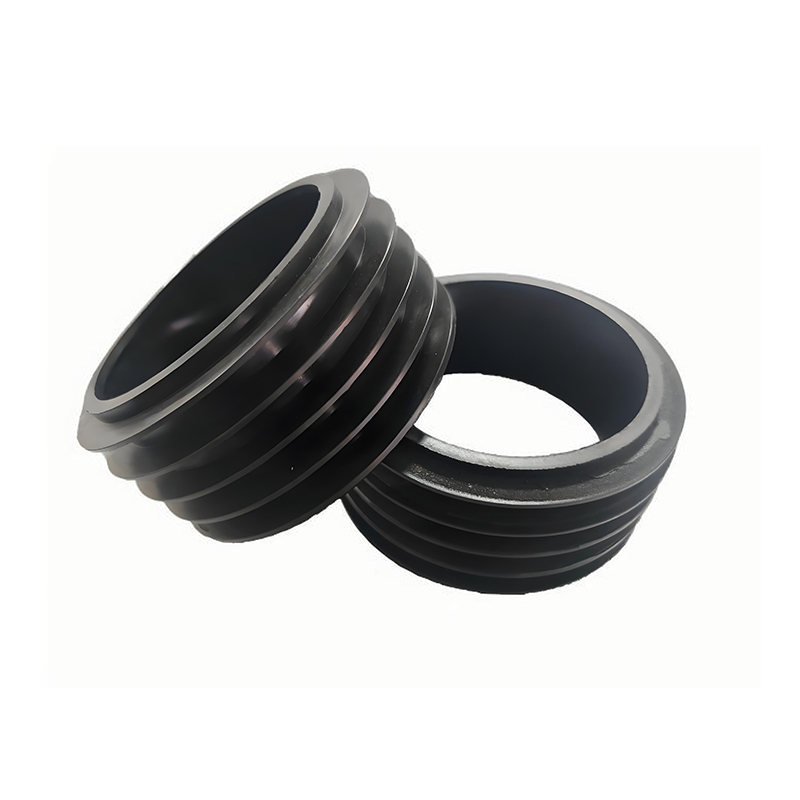
Flat rubber gaskets face various environmental challenges that can shorten their lifespan. Temperature extremes can lead to hardening or softening of the material, affecting its sealing capabilities. For instance, high temperatures can cause rubber to lose elasticity, while low temperatures might make it brittle.
Chemical exposure is another significant factor. Gaskets in petrochemical environments may come into contact with oils and solvents, which can degrade their structure. Additionally, UV light can cause rubber to crack and lose its effectiveness over time, especially in outdoor applications.
To mitigate these factors, consider the following tips:
● Use Temperature-Resistant Materials: Select gaskets made from materials specifically designed to withstand extreme temperatures, such as EPDM for heat resistance or FKM for chemical exposure.
● Implement Protective Measures: Use protective covers or shields to minimize UV exposure, particularly in outdoor settings.
● Regular Monitoring: Conduct frequent inspections in harsh environments to catch any signs of wear early.
Here’s a quick reference table for materials and their resistance:
Material | Temperature Resistance | Chemical Resistance | UV Resistance |
NBR | -20°C to 110°C | Moderate | Low |
EPDM | -57°C to 176°C | Good | Moderate |
Silicone | -100°C to 300°C | Excellent | High |
FKM | -20°C to 200°C | Excellent | Moderate |
Proper handling and usage of flat rubber gaskets are essential for avoiding damage. When handling gaskets, it’s important to avoid excessive force or rough treatment. Here are some best practices:
● Gentle Handling: Always handle gaskets with care. Avoid twisting or folding them, as this can lead to permanent deformation.
● Proper Storage: Store gaskets flat in a cool, dry place to prevent warping. Using containers can help protect them from dust and contaminants.
● Select the Right Material: Choose the gasket material based on the specific application. For example, use NBR gaskets in oil applications and silicone gaskets for high-temperature environments.
Additionally, avoid overload during installation. Over-tightening bolts can crush the gasket, while insufficient tightening can lead to leaks. Always refer to manufacturer specifications for correct torque settings.
By following these precautions, you can significantly extend the life of flat rubber gaskets and ensure they perform effectively in their intended applications.
Maintaining flat rubber gaskets is essential for optimal performance and longevity. Proper storage, installation, cleaning, and regular inspections can significantly extend their life.
We encourage you to implement these tips for better results. If you have experiences or questions about maintaining flat rubber gaskets, feel free to share them!
A: Flat rubber gaskets should be inspected monthly and replaced when signs of wear appear, typically every 1-3 years.
A: No, use only silicone-based lubricants, as they are safe and compatible with rubber materials.
A: Look for hardening, cracking, or "alligatoring," which indicate that the gasket has deteriorated.
A: Avoid harsh chemicals like bleach, as they can damage the rubber and reduce its effectiveness.
A: Store flat rubber gaskets in a cool, dark place with temperatures between 15°C and 25°C, and low humidity to prevent degradation.


