
Views: 0 Author: Site Editor Publish Time: 2025-11-10 Origin: Site


You should use neoprene o-rings when you need them to stand up to weather, ozone, and sunlight. Neoprene o-ring seals work well with many coolants, like ammonia and carbon dioxide. Before you pick an o-ring, think about what chemicals and temperatures it will face. If neoprene meets strong acids, bases, or solvents, it can get damaged.
For easy picking, look at these tips:
O-rings should fit the chemicals they touch.
Very hot or cold temperatures can make them shrink or break.
Use neoprene o-rings outside. They can handle sunlight, ozone, and bad weather.
Do not use neoprene o-rings with strong chemicals. Gasoline or brake fluid can make them break down fast.
Always check the temperature range before using neoprene o-rings. They work best from -35°F to 225°F.
Look at neoprene o-rings often for cracks or swelling. This helps you find problems early and keeps them working well.
Pick the right seal material for your system. If you are not sure, try silicone or Viton instead.
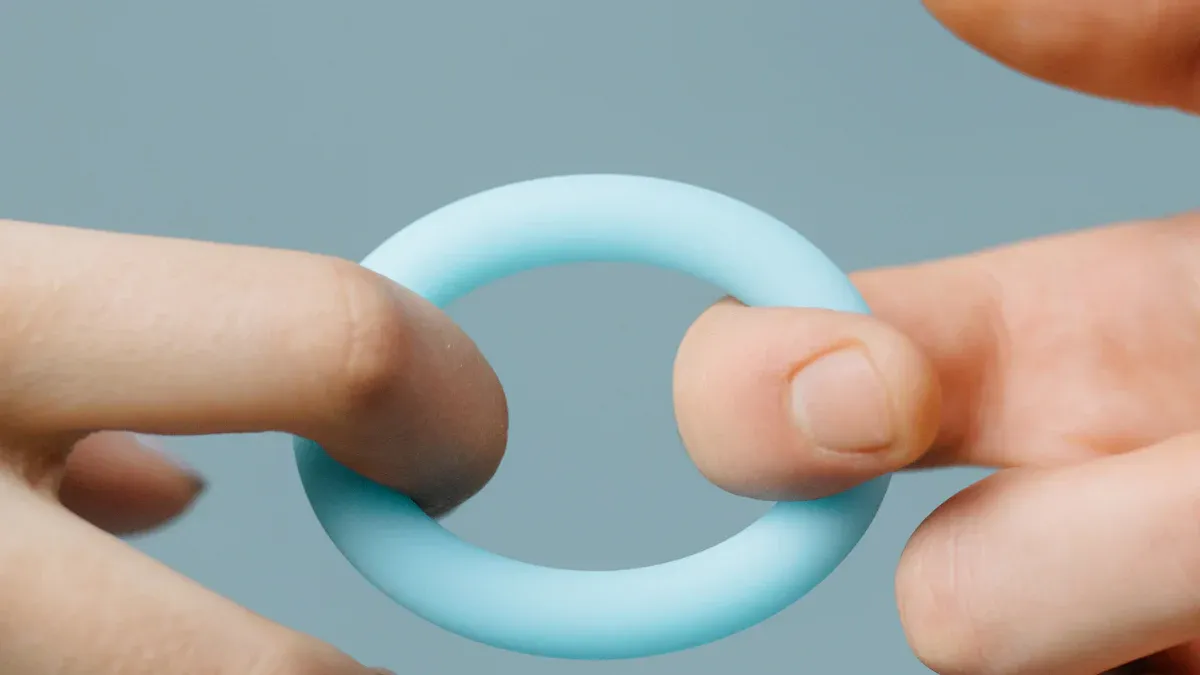
Image Source: pexels
Neoprene o-rings are good for tough jobs. They can handle sunlight, ozone, and bad weather. These seals are strong and do not break or crack fast. Neoprene o-rings work with many coolants and oils. They also stick well to metal, so you get tight seals.
Here is a table that lists the main benefits of neoprene o-rings:
| Advantage | Description |
|---|---|
| Chemical Resistance | Great against Freon, ammonia, silicone oils, and greases. |
| Temperature Range | Handles heat up to 250°F and cold down to -40°F. |
| Physical Strength | Very strong, does not tear or crack when bent or twisted. |
| Outdoor Suitability | Works well outside because it resists sunlight, ozone, and weather. |
| Low Gas Permeation | Good for jobs where you need low gas leaks. |
| Fire Resistance | Better at stopping fire than some other rubbers, good for fire doors. |
| Adhesion to Metal | Sticks well to metal parts for strong seals. |
| Water Resistance | Handles water and water solvents at low temperatures. |
Tip: Use neoprene o-rings if you need seals outside or in places with lots of sun.
Neoprene o-rings are used in many jobs. They work best where you need to block weather, chemicals, or fire. You see them in refrigeration and HVAC systems. They help stop leaks and keep fluid power systems working. Neoprene o-rings are also used for outdoor cable sealing and in transportation equipment.
Here is a table with common ways to use neoprene o-rings:
| Industry/Application | Description |
|---|---|
| Refrigeration | Used in refrigeration because they resist chemicals. |
| HVAC | Good for heating, ventilation, and air conditioning. |
| Transportation | Used to seal parts in transportation equipment. |
| Cable Industry | Helps seal outdoor cables and keeps out weather. |
| Fluid Power Systems | Used for strong seals in fluid power jobs. |
| Communication & IT | Can be used in communication and IT equipment. |
Neoprene o-rings are also good for fire doors because they resist flames better than other rubbers.
Check the temperature range before using neoprene o-rings. Neoprene o-rings stay strong and flexible in hot and cold places. Most makers say you can use them from -35°F to 225°F. Some types work down to -60°F. This wide range means you can use neoprene o-rings in cold places like refrigeration and outside.
| Material | Temperature Range (°F) | Temperature Range (°C) |
|---|---|---|
| Neoprene | -35 to 225 | -37 to 107 |
| Neoprene | -60 to 225 | N/A |
If you use neoprene o-rings at the hottest or coldest limits, watch for changes. Here are some things that can happen:
Too much heat can damage the o-ring material.
Damage can make o-rings swell and get hard, which can ruin the seal.
Very cold can make o-rings shrink and get brittle, which can cause leaks.
Note: Always pick the right o-ring for your system’s temperature and environment. This helps you avoid problems and keeps your seals working longer.
Image Source: unsplash
Neoprene has some big limits you should know. It does not work with many strong chemicals. If you use neoprene o-rings with the wrong fluids, they can break fast. High heat and lots of moisture can also hurt these seals. In tough places, neoprene o-rings may get hard, crack, or lose their shape. This can cause leaks and make the o-ring fail.
Here is a table that shows the main limits of neoprene o-rings:
| Limitation Type | Description |
|---|---|
| Chemical Resistance | Only fair with solvents and oils; not good for oxidizing acids, ketones, esters, nitro compounds, or chlorinated aromatic hydrocarbons. |
| Mechanical Properties | Costs more than nitrile, which is similar but cheaper. |
Note: Neoprene o-rings can get brittle and crack after long use in heat or moisture. This makes them less reliable for some jobs.
Do not use neoprene o-rings where they touch strong chemicals or harsh places. Some jobs need seals that can do more than neoprene can. If you use neoprene o-rings in the wrong spot, they may fail and cause trouble.
Here are some jobs where you should not use neoprene o-rings:
Aromatic hydrocarbons
You should also not use neoprene o-rings with:
Chlorinated hydrocarbons
Polar solvents
Brake fluids
Gasoline
Ketones
Neoprene o-rings do not work well in these cases. The seals can swell, crack, or lose strength. This can make your system unsafe.
Neoprene does not resist every chemical. Some fluids can make the seals break down fast. For example, fatty acids can make the rubber swell and fall apart over time. Chemical reactions between the o-rings and fluids can cause quick damage. This can happen at room temperature or when it is hot.
In tough places, neoprene o-rings may age faster. High heat can make the seals brittle and cause cracks. If you leave neoprene o-rings in one spot for a long time, they may lose shape and not seal well. Even small size changes from heat can cause leaks.
Tip: Always check if neoprene o-rings fit the chemicals and heat in your system. If you are not sure, pick a different seal material.
Neoprene seals can have many problems. Swelling, cracking, and losing shape are common. These problems often make the o-ring stop working. Fast pressure changes can make blisters or pits. High heat can cause cracks or make seals hard. If you install them wrong, small cuts or nicks can happen. These weak spots make the o-ring break easier.
Here is a table that shows common problems and ways to fix them:
| Failure Mode | Description | Solution |
|---|---|---|
| Explosive Decompression | Blisters or pits on the seal surface | Use harder elastomer, slow decompression |
| Outgassing Extraction | Seal shrinks in size | Use properly cured elastomer |
| Installation Damage | Cuts or nicks from sharp edges | Remove sharp edges, use correct sizing |
| Abrasion | Flat surface from friction | Use smoother gland surfaces |
| Extrusion | Ragged edges on low-pressure side | Decrease clearances, use harder elastomer |
| Spiral Twisting Failure | Spiral marks around the o-ring | Install carefully, use harder elastomer |
| Thermal Degradation | Cracks from high temperatures | Choose elastomer with better stability |
| Chemical Degradation | Blisters, cracks from chemical attack | Use more resistant elastomer |
Tip: Most o-ring problems happen because of bad installation or using the wrong seal.
You can find problems by looking at the seals. Watch for cracks, blisters, swelling, or color changes. If the o-ring changes shape or hardness, it may not work right. Try these tests to check for trouble:
Look for cracks or blisters
Measure the o-ring to see if it got bigger or smaller
Check if the seal is too soft or hard
Here is a table with signs that show the seal does not fit:
| Type of Sign | Description |
|---|---|
| Cracks | Fractures on the surface |
| Blisters | Raised spots from chemical reaction |
| Discoloration | Color change from chemical attack |
| Swelling | Increase in size from fluid absorption |
| Change in Shape | Deformation that affects sealing |
| Change in Hardness | Loss of physical properties |
Note: Test seals with compression set, fluid checks, and temperature tests to make sure they work.
If you need seals for stronger chemicals or hotter places, you have choices. PTFE works well with strong chemicals and heat. EPDM, nitrile, and Viton are tough and flexible. Metal-cased seals are good for high pressure. Silicone and fluorosilicone stay flexible in high heat.
Here is a table that compares o-ring materials:
| Material | Temperature Range | Chemical Resistance |
|---|---|---|
| Nitrile | -40°F to +212°F | Oils, fuels, hydraulic fluids |
| Viton | -4°F to +392°F | Acids, solvents, chemicals |
| EPDM | -67°F to +275°F | Water, steam, ozone, weather |
| Neoprene | -30°F to +250°F | Moderate chemicals, ozone, oils, fats |
Tip: Pick the seal material that matches your system’s fluids and heat. This helps stop leaks and keeps your equipment safe.
You should pick neoprene seals for outdoor work. They are good in sunlight and ozone. Do not use these seals with strong chemicals. They are not good in very hot places. Always make sure seals fit your system. Use the table below to help you choose:
| Factor | Description |
|---|---|
| Temperature Effects | Seals can break in very hot or cold places. |
| Chemical Compatibility | Seals need to stand up to the chemicals they touch. |
| Mechanical Properties | Strong seals last longer when squeezed or pressed. |
Look at chemical charts before you pick a seal. If you are not sure, try silicone or Viton seals.
Choose seals by their material, how hard they are, and their size.
Check seals often to help them last longer.
Neoprene o-rings stand out because they resist sunlight and weather. You can use these seals outside or in places with ozone. They also work well with some coolants and oils.
You should not use neoprene seals with gasoline or brake fluid. These fluids can damage the seals quickly. Choose another material for these jobs.
Look for cracks, swelling, or leaks. If you see changes in shape or hardness, your seals may not work well. Replace seals when you notice these problems.
Keep seals in a cool, dry place away from sunlight. Store them flat and avoid bending. This helps seals last longer and keeps them strong.


