
Views: 0 Author: Site Editor Publish Time: 2026-04-01 Origin: Site


Are you aware of the crucial role EPDM gaskets play in various industries? These versatile seals are essential for ensuring durability and performance. In this guide, we’ll explore the applications of EPDM gaskets, their manufacturing processes, and the benefits they offer. Get ready to discover why EPDM is a preferred choice for sealing solutions.
EPDM stands for Ethylene Propylene Diene Monomer. It's a synthetic rubber widely used in various applications due to its unique properties. Developed in the 1960s, EPDM rubber is made from a combination of ethylene, propylene, and a diene component. This combination gives it excellent resistance to weathering, ozone, and UV exposure. EPDM can be produced in both solid and sponge forms, making it versatile for numerous sealing applications.
EPDM rubber is known for its remarkable characteristics:
Weather Resistance: EPDM is highly resistant to environmental factors, including UV rays, ozone, and extreme weather conditions. This makes it suitable for outdoor applications.
Temperature Range: It can perform effectively in temperatures ranging from -40°C to +120°C. This wide range allows it to maintain its properties in both cold and hot environments.
Chemical Resistance: EPDM shows good resistance to many chemicals, including water, steam, and mild acids. However, it is not suitable for exposure to petroleum-based oils and fuels.
Durability: The material is known for its longevity and resistance to wear, tear, and aging. EPDM can last for decades when used in the right applications.
Elasticity: It retains flexibility and shape even under load, making it ideal for applications that require a durable seal.
Advantages:
Cost-Effective: EPDM is generally cheaper to produce and maintain compared to other rubber types. Its durability means fewer replacements are necessary, which saves costs over time.
Versatile Applications: It is suitable for a variety of industries, including automotive, construction, and HVAC systems. EPDM can be used for gaskets, seals, and insulation.
Environmentally Friendly: EPDM is recyclable, contributing to sustainability in manufacturing.
Disadvantages:
Oil Resistance: EPDM does not perform well in applications involving petroleum products. Constant exposure can lead to degradation.
Temperature Limitations: While it has a wide temperature range, EPDM is not suitable for extreme temperatures beyond its limits. For high-temperature applications, other materials like silicone may be more appropriate.
Lower Tensile Strength: Compared to other rubber types, such as Nitrile, EPDM has lower tensile strength, which may limit its use in certain high-stress applications.
In summary, EPDM rubber is a versatile material with a broad range of applications due to its excellent properties. Understanding its advantages and disadvantages helps manufacturers and engineers make informed decisions when selecting materials for specific uses.
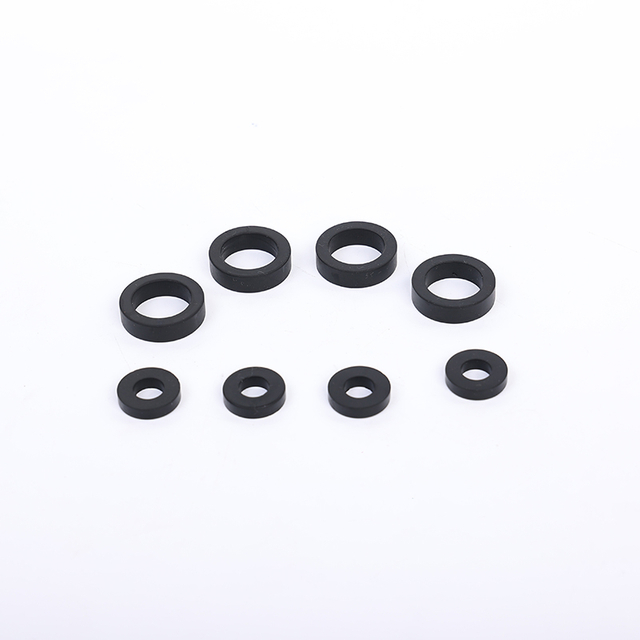
The manufacturing process of EPDM gaskets begins with the careful selection of raw materials. The primary components are ethylene and propylene, combined with a diene component. This combination enhances the rubber’s properties, making it suitable for various applications. Manufacturers also consider additives like carbon black, accelerators, and curing agents during this phase. The choice of raw materials directly influences the physical and chemical characteristics of the final product, such as elasticity, durability, and resistance to environmental factors.
Once the raw materials are selected, the next step is compounding. This process involves mixing the base ingredients with additives to create a uniform compound. The compounding techniques vary but typically include methods like mechanical mixing and internal mixing. These processes ensure that all components are evenly distributed, which is crucial for achieving consistent performance in the final gaskets. The resulting compound is tested for its properties, ensuring it meets the required specifications before moving on to shaping.
Shaping the EPDM gasket is a critical phase in the manufacturing process. There are several methods used to achieve the desired shapes:
Extrusion: This method forces the EPDM compound through a die to create continuous lengths of gasket material. It's ideal for applications requiring specific profiles, such as seals for windows or doors.
Molding: Here, the compound is poured into molds where it is subjected to heat and pressure. This method is useful for producing complex shapes and custom gaskets that need to fit specific dimensions.
Die-Cutting: Often used for flat gaskets, die-cutting involves cutting the gasket shape from sheet material using sharp tools. This method is efficient for producing large quantities of flat gaskets with precise dimensions.
Each shaping method has its advantages and is chosen based on the specific requirements of the application.
After shaping, the gaskets undergo a curing process, also known as vulcanization. This step involves heating the shaped EPDM under controlled conditions, allowing the rubber to expand and cross-link its molecular structure. Curing is essential because it enhances the physical properties of the gaskets, improving their strength, elasticity, and overall durability. The curing process can vary based on the desired characteristics of the final product, including the time, temperature, and pressure applied. Monitoring these parameters is crucial to ensure optimal results.
The manufacturing processes of EPDM gaskets are vital for producing high-quality, durable products that meet industry standards. Understanding these processes helps manufacturers optimize production and ensure the performance of their gaskets in various applications.
EPDM gaskets are widely used in various industries due to their excellent sealing capabilities and durability. Their unique properties make them suitable for a range of applications, from automotive to aerospace. Here’s a closer look at some of the most common applications of EPDM gaskets.
In the automotive industry, EPDM gaskets play a crucial role in ensuring vehicle integrity. They are commonly used for:
Window Seals: EPDM gaskets provide a tight seal around windows, preventing water and air leaks.
Door Seals: These gaskets help reduce noise and vibrations, enhancing passenger comfort.
Engine Compartment: EPDM gaskets are used in various engine components, ensuring fluid containment and preventing leaks.
Their resistance to heat and chemicals makes them ideal for these applications.
EPDM gaskets are essential in heating, ventilation, and air conditioning (HVAC) systems. They are used to:
Seal Ducts: Prevent air leaks, improving energy efficiency and maintaining desired temperatures.
Insulate Components: Reduce noise transmission, creating a quieter indoor environment.
Gasket Sealing: Ensure tight seals around fittings and pipes, preventing moisture ingress.
These gaskets help maintain system performance and energy efficiency.
In industrial settings, EPDM gaskets are vital for:
Fluid Sealing: They seal joints in equipment that handles water, oil, and chemicals, preventing leaks.
Vibration Isolation: EPDM gaskets provide cushioning, protecting sensitive machinery from wear and tear.
Durability: Their high mechanical endurance makes them suitable for demanding applications.
These qualities ensure reliable performance in various industrial processes.
The aerospace industry relies on EPDM gaskets for their resilience and performance. They are used in:
Fuel Systems: EPDM gaskets provide secure seals, preventing leaks and ensuring safety.
Hydraulic Systems: They withstand high temperatures and pressures, maintaining system integrity.
Cabin Pressure Control: Ensuring airtight seals for passenger safety and comfort.
Their ability to perform in extreme conditions makes them a preferred choice in aerospace.
EPDM gaskets are also critical in the electrical and electronics sectors. They are utilized for:
Enclosure Sealing: Protect sensitive electronic components from dust, moisture, and chemicals.
Electrical Insulation: Provide reliable insulation for cables and connections, enhancing safety.
Environmental Protection: EPDM gaskets shield equipment from harsh environmental conditions.
These applications highlight the versatility and importance of EPDM gaskets in protecting electronic devices.
In summary, EPDM gaskets are integral to various industries, offering reliable sealing solutions that enhance performance and longevity. Their unique properties, such as weather resistance and durability, make them an ideal choice for many applications.
EPDM gaskets offer numerous advantages that enhance their application across various industries. Their unique properties make them a preferred choice for sealing solutions. Below are some key benefits of using EPDM gaskets:
EPDM gaskets excel in outdoor environments. They resist harsh weather conditions, including extreme temperatures, UV rays, and ozone exposure. This durability ensures long-lasting performance, reducing the need for frequent replacements. For instance, in construction and automotive applications, EPDM gaskets maintain their integrity despite prolonged exposure to sunlight and rain.
EPDM gaskets perform well in a broad temperature range, typically from -40°C to +120°C. This flexibility allows them to maintain their sealing properties in both cold and hot environments. Industries such as HVAC and automotive rely on this capability, ensuring effective sealing in systems that experience significant temperature fluctuations.
EPDM gaskets exhibit excellent resistance to various chemicals, including water, steam, and mild acids. This makes them suitable for applications in industries like food processing and pharmaceuticals, where exposure to such substances is common. However, it’s essential to note that EPDM is not ideal for petroleum-based oils and fuels, which can degrade the material.
One of the standout features of EPDM gaskets is their durability. They resist wear, tear, and aging, often lasting for decades in the right conditions. This longevity translates into reduced maintenance costs and fewer replacements, making them a cost-effective choice for manufacturers and engineers alike. In industrial machinery and automotive applications, the durability of EPDM gaskets contributes to overall system reliability.
Cost-Effective: EPDM gaskets are typically cheaper to produce than other rubber materials. Their longevity further enhances their cost-effectiveness, as fewer replacements are needed over time.
Versatility: EPDM gaskets can be used in various applications, from automotive seals to HVAC systems. Their adaptability makes them a go-to choice for many industries.
Environmental Friendliness: EPDM is recyclable, aligning with sustainability goals in manufacturing. This aspect appeals to companies looking to reduce their environmental footprint.
In summary, the benefits of using EPDM gaskets make them an invaluable component in numerous applications. Their weather resistance, temperature performance, chemical compatibility, and durability contribute to their widespread use across various industries.
EPDM gaskets come in various forms to meet the diverse needs of different industries. Understanding the types, characteristics, and specifications of these products is crucial for selecting the right gasket for your application. Here’s a closer look at the common EPDM gasket products available in the market.
EPDM gaskets can be categorized into two main types: solid EPDM and EPDM sponge.
Solid EPDM Gaskets: These gaskets are dense and provide excellent sealing capabilities. They are ideal for applications requiring high durability and resistance to environmental factors. Common uses include automotive seals, HVAC systems, and industrial machinery.
EPDM Sponge Gaskets: These gaskets have a closed-cell structure, making them compressible and lightweight. They are excellent for noise and vibration dampening, making them suitable for automotive interiors and HVAC applications where sound insulation is essential.
When choosing between solid EPDM and EPDM sponge, consider the following:
Sealing Performance: Solid EPDM typically offers superior sealing performance in high-pressure environments, while EPDM sponge provides effective sealing in applications where flexibility and compressibility are critical.
Application Suitability: Solid EPDM is often used in harsh environments, whereas EPDM sponge is favored for applications requiring sound dampening and cushioning.
Weight and Flexibility: EPDM sponge gaskets are lighter and more flexible, making them easier to install in tight spaces.
EPDM gaskets come in various sizes and thicknesses to accommodate specific application requirements.
Standard Sizes: Many manufacturers offer standard sizes for common applications, but custom sizes can be produced based on individual needs.
Thickness Options: EPDM gaskets are available in thicknesses ranging from 1mm to 64mm. Thicker gaskets provide better sealing capabilities, while thinner gaskets are suitable for applications with limited space.
In addition to standard gaskets, several specialty EPDM products are available:
Adhesive EPDM Gaskets: These gaskets come with adhesive backing for easy installation. They are ideal for applications where mechanical fastening is not feasible.
Fire-Retardant EPDM Gaskets: Designed for applications in public transport and buildings, these gaskets meet safety standards for low smoke and toxicity.
Custom-Made Gaskets: Many manufacturers offer custom solutions tailored to specific applications, including unique shapes, sizes, and densities. This customization ensures optimal performance and longevity.
Hybrid EPDM Gaskets: These gaskets combine EPDM with other materials, such as Nitrile, to enhance properties like chemical resistance and oil compatibility.
EPDM gaskets are versatile and durable, ideal for various industries, including automotive, HVAC, and aerospace. Their weather resistance, temperature performance, and chemical compatibility make them a preferred choice. Future trends include sustainable manufacturing, customization, and smart technologies. Companies like Lixu Rubber offer high-quality EPDM gaskets that provide exceptional sealing solutions. With their unique benefits, Lixu Rubber’s products ensure optimal performance and longevity in diverse applications, making them a valuable choice for manufacturers and engineers alike.
A: An EPDM gasket is a sealing component made from Ethylene Propylene Diene Monomer rubber, known for its weather resistance and durability in various applications.
A: EPDM gaskets are used in automotive applications to seal windows, doors, and engine components, ensuring fluid containment and preventing leaks.
A: EPDM gaskets offer excellent weather resistance, durability, and cost-effectiveness, making them a preferred choice for many industries.
A: The cost of EPDM gaskets can vary based on factors such as material quality, manufacturing processes, and customization requirements.
A: To troubleshoot EPDM gasket failures, check for improper installation, environmental factors, and compatibility with chemicals to ensure optimal performance.


