
Views: 0 Author: Site Editor Publish Time: 2026-04-01 Origin: Site


Are you aware that the right gasket can make or break a seal? EPDM gaskets are essential in various applications, providing reliable performance under challenging conditions. In this article, we’ll explore the unique properties of EPDM gaskets and compare them to other materials, helping you choose the best option for your needs.
When comparing EPDM and silicone gaskets, it's essential to consider their unique properties. EPDM (ethylene propylene diene monomer) is a synthetic rubber known for its excellent weather resistance, while silicone is a versatile polymer with superior high-temperature capabilities.
Temperature Resistance: Silicone gaskets can withstand temperatures ranging from -50°C to 230°C, making them suitable for high-heat applications. In contrast, EPDM gaskets typically operate effectively between -50°C and 150°C.
Weather Resistance: EPDM excels in outdoor conditions, resisting UV rays, ozone, and extreme temperatures. Silicone also offers good weather resistance but may degrade under prolonged UV exposure.
Chemical Compatibility: EPDM is not compatible with petroleum-based products, while silicone can handle oils and greases better. However, EPDM is resistant to alkalis and dilute acids, making it suitable for various industrial environments.
EPDM and PTFE (polytetrafluoroethylene) gaskets serve distinct purposes in various industries.
Chemical Resistance: PTFE is highly resistant to corrosive chemicals, making it ideal for applications in food processing and pharmaceuticals. EPDM, while resistant to some chemicals, is not suitable for food-related applications due to its incompatibility with petroleum-based substances.
Temperature Range: PTFE can handle extreme temperatures from -212°C to 260°C, while EPDM is limited to 150°C. This makes PTFE the better option for high-temperature environments.
Mechanical Properties: EPDM has good tensile strength and flexibility, while PTFE is known for its low friction and non-stick properties.
For applications involving harsh chemicals and high temperatures, PTFE is the better choice. However, for applications requiring flexibility and weather resistance, EPDM is preferable.
When comparing EPDM and TPE (thermoplastic elastomers), both materials offer excellent sealing properties, but they have different strengths.
Cost: EPDM is generally more cost-effective than TPE, making it a popular choice for various applications.
Recyclability: TPE is recyclable, which is increasingly important for manufacturers focused on sustainability. EPDM, on the other hand, is not recyclable.
Color Options: TPE can be produced in various colors, allowing for customization in designs. EPDM typically comes in black.
TPE is suitable for applications that require recyclability and aesthetic flexibility, while EPDM is ideal for cost-sensitive projects that need reliable weather resistance.
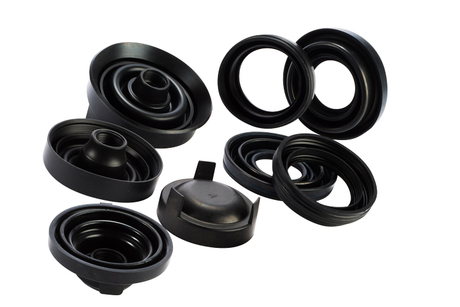
EPDM gaskets, made from ethylene propylene diene monomer, are favored in many industries due to their numerous advantages. Here are some key benefits that make EPDM stand out from other gasket materials:
EPDM gaskets excel in outdoor conditions. They resist UV rays, ozone, and extreme temperatures, making them ideal for applications exposed to harsh weather. Their ability to maintain flexibility and strength in fluctuating temperatures ensures a reliable seal, even in challenging environments.
EPDM gaskets offer good resistance to a variety of chemicals. They withstand alkalis and dilute acids, making them suitable for many industrial applications. However, they are not compatible with petroleum-based products, which is an important consideration when selecting a gasket for specific environments.
One of the most significant advantages of EPDM gaskets is their durability. They are resistant to aging and degradation, which means they can maintain their sealing properties over long periods. This longevity translates to reduced maintenance costs and fewer replacements, making EPDM gaskets a cost-effective choice.
EPDM gaskets possess impressive tensile strength, generally ranging from 7 to 21 MPa. This strength allows them to withstand significant stress without failure. Additionally, they remain flexible at low temperatures, ensuring effective sealing even in cold conditions. This combination of strength and flexibility makes EPDM an excellent choice for various applications.
In summary, the advantages of EPDM gaskets include their weather resistance, chemical compatibility, durability, and impressive tensile strength. These properties make them suitable for diverse applications, from automotive to electrical engineering, where reliable sealing is crucial.
EPDM gaskets find extensive use across various industries due to their robust properties. Here’s a closer look at some of the key applications of EPDM gaskets.
In the automotive sector, EPDM gaskets are crucial for ensuring reliable sealing in various components. They are commonly used in:
Door Seals: EPDM gaskets provide excellent weather resistance, keeping water and dust from entering the vehicle.
Window Seals: Their flexibility and durability help maintain a tight seal, reducing wind noise and improving overall comfort.
Hoses and Belts: EPDM is resistant to heat and aging, making it ideal for hoses that transport fluids and air in engines.
The automotive industry benefits from EPDM's ability to withstand extreme temperatures and environmental conditions, ensuring longevity and performance.
EPDM gaskets are also popular in electrical engineering. Their electrical insulation properties make them suitable for:
Cable Seals: They protect electrical connections from moisture and contaminants, ensuring safety and reliability.
Housing Seals: EPDM gaskets are used in enclosures to prevent dust and water ingress, which can damage sensitive electrical components.
The combination of electrical insulation and environmental resistance makes EPDM a preferred choice in this field.
EPDM gaskets excel in outdoor and marine environments. Their resistance to UV rays, ozone, and weathering makes them ideal for:
Roofing Systems: EPDM is often used in flat roofing systems due to its durability and ability to withstand harsh weather conditions.
Marine Equipment: In boats and other marine applications, EPDM gaskets help seal hatches, doors, and windows, preventing water ingress.
Outdoor Furniture: They are used in outdoor furniture and fixtures, providing a reliable seal that endures exposure to the elements.
In these applications, EPDM’s weather resistance ensures that seals remain effective over time, reducing maintenance needs.
In summary, EPDM gaskets are versatile and reliable, making them suitable for various applications in the automotive, electrical, and outdoor industries. Their unique properties contribute to their effectiveness in sealing and insulating, ensuring optimal performance in challenging environments.
Proper installation of EPDM gaskets begins with surface preparation. Ensure that the surfaces where the gasket will be applied are clean and free from contaminants. Dirt, dust, grease, and old sealant residues can compromise the gasket's sealing ability. Use a suitable solvent or cleaner to wipe down the surfaces. For best results, allow the surfaces to dry completely before proceeding.
Alignment is crucial for achieving an effective seal with EPDM gaskets. When placing the gasket, ensure it is positioned correctly between the two mating surfaces. Misalignment can lead to uneven compression, resulting in leaks. Use guide pins or alignment tools if available to help position the gasket accurately. Once aligned, apply even pressure when fastening the components together to ensure uniform compression across the gasket.
Having the right tools and materials on hand can make the installation process smoother. Here’s a list of essential items:
Tools:
Torque wrench
Screwdrivers
Alignment tools (e.g., guide pins)
Cleaning cloths
Safety gloves
Materials:
EPDM gasket
Sealant (if required)
Lubricant (for bolts or screws)
Make sure to follow any specific guidelines provided by the gasket manufacturer regarding installation procedures and recommended tools.
EPDM gaskets offer excellent weather resistance, durability, and chemical compatibility, making them ideal for various applications. However, they have limitations, such as poor performance in high temperatures and incompatibility with petroleum-based products. When selecting gasket materials, consider specific environmental conditions and application requirements. EPDM gaskets are versatile but may not suit every situation. For reliable sealing solutions, Lixu Rubber provides high-quality EPDM gaskets that deliver exceptional value and performance across industries.
A: An EPDM gasket is a sealing component made from ethylene propylene diene monomer, known for its excellent weather resistance and durability in various applications.
A: To install an EPDM gasket, ensure surfaces are clean, align the gasket properly, and apply even pressure when fastening components together.
A: An EPDM gasket is preferred for outdoor applications due to its superior weather resistance, while silicone is better for high-temperature environments.
A: EPDM gaskets offer benefits such as weather resistance, chemical compatibility, durability, and impressive tensile strength, making them ideal for various applications.
A: EPDM gaskets are generally more cost-effective than materials like TPE and silicone, making them a popular choice for budget-sensitive projects.


