
Views: 0 Author: Site Editor Publish Time: 2025-12-05 Origin: Site


Buying FKM O rings online can feel risky. Options look similar, but quality and materials vary widely. Many buyers only discover problems after a seal fails. This article helps you avoid that. You’ll learn how to check specs, confirm authenticity, and choose trustworthy suppliers. In this post, we'll guide you step-by-step so you can buy FKM O rings online with confidence.
Choosing the right FKM O ring online starts with knowing what the material truly represents. Many listings look identical, yet they differ in compound quality, curing method, and chemical resistance. These differences matter, because they directly affect sealing life, safety, and long-term performance.
FKM refers to a family of fluoroelastomers defined by ASTM and ISO standards. It is not a single material. It covers multiple formulations created for heat, fuel, and chemical resistance. Buyers often assume every FKM offers the same protection, but compounds vary widely. This matters because a mismatched material can fail quickly in aggressive fluids. It can also swell, crack, or lose elasticity under heat.
Viton® is a premium FKM produced from 100% virgin Chemours polymer. Generic FKM may contain blends, fillers, or recycled content. These small changes reduce durability, especially in fuels and strong chemicals. Viton® typically offers tighter quality control, stable hardness, and better compression-set resistance. Generic FKM may work for light-duty jobs, but high-risk environments often need genuine Viton®. Buyers should look for license certificates or the "Made With Genuine Viton®" seal.
FKM comes in several grades. They exist because applications differ. Some need heat resistance, others need low-temperature flexibility or chemical protection.
Here is a simple table to help interpret common codes you may see in online stores:
FKM Grade | Typical Use Case | Key Feature |
Type A | General industrial sealing | Balanced performance |
Type B | Fuel systems | Better chemical resistance |
Type F | High fluorine level | Strong solvent resistance |
GLT | Low-temperature sealing | Flexibility in cold conditions |
GFLT | Fuel + low temps | Enhanced fuel and cold resistance |
ETP | Harsh chemicals | Excellent solvent and acid resistance |
These labels appear in product listings as "A-grade" "B-compound" or "GLT Viton®". Each affects how the O ring handles cold, heat, or aggressive chemicals.
FKM resists oils, fuels, acids, and solvents better than most elastomers. However, each compound has limits. Temperature ratings typically reach 200–232°C, yet low-temperature performance varies sharply by grade. Buyers should review chemical charts because some FKMs swell in amines or ketones.
Hardness also impacts sealing. Softer FKMs create tighter seals at low pressure. Harder compounds work better for extrusion resistance in high-pressure assemblies. These details often sit inside product data sheets, which many online buyers overlook.
Durometer describes hardness on the Shore A scale. Most FKM O rings come in 70 or 75 Shore A. Softer 60 Shore A offers better flexibility. Hard 90 Shore A suits high-pressure valves and dynamic movement. When shopping online, buyers should check durometer because platforms sometimes omit it. A missing value often signals low-quality or generic material.
FKM is cured using bisphenol or peroxide systems. Bisphenol-cured compounds handle heat well but struggle in strong bases. Peroxide-cured compounds excel in acidic or amine-rich environments. They resist attack longer, which makes them suitable for chemical plants and fuel systems. Online listings rarely mention curing method, yet it influences service life. Buyers can request compound sheets from reputable sellers.
Mislabeling happens because many platforms allow generic sellers to list industrial parts. Some label low-grade rubber as FKM. Others sell blended compounds as Viton®. Listings may include incorrect temperature ranges or mismatched durometers. To avoid this, buyers should check for certification, compound numbers, and consistent specifications. Reputable vendors post detailed data sheets, clear sizing charts, and verifiable material information.
Buying FKM O rings online requires more than checking size and price. Many listings look professional, yet some products use blended rubber or recycled materials that fail under heat or chemicals. Authenticity matters because performance, safety, and service life depend on the true compound. We can verify authenticity by reviewing documentation, seals, and product details offered by reputable suppliers.
Genuine Viton® FKM comes from licensed manufacturers approved by Chemours. These suppliers use 100% virgin polymer instead of mixed elastomers. Real products often include branding on packaging, compound codes, and clear material descriptions. They may also present a license certificate showing permission to produce Viton® parts.
A reliable seller usually displays:
● The manufacturer's name
● A valid Viton® license seal
● Exact compound numbers (e.g., GLT, GFLT, F-type)
● Clear durometer and temperature ratings
● Traceable batch details
The presence of these signs does not guarantee quality, but it strongly reduces risk.
The "Made With Genuine Viton®" seal shows the O ring was produced using 100% virgin Viton® fluoroelastomer. It also indicates the manufacturer follows Chemours' strict guidelines for mixing, curing, and testing. Buyers can treat the seal as evidence the product meets a recognized industrial standard. It can also help avoid the blended FKMs that lose strength and chemical resistance quickly.
This seal means:
● The product uses no recycled or substitute content
● It follows Chemours-approved processes
● It meets required heat and fluid resistance levels
● It complies with OSHA Mechanical Integrity expectations
The seal is especially helpful for industries needing consistent performance, such as oil and gas or aerospace.
Authentic FKM should come with documentation from the seller. Certificates confirm the material type, manufacturing process, and compliance level. Most reputable suppliers provide a COA, which includes compound grade, hardness, batch details, and testing results. These documents help verify the product is real FKM rather than a cheaper elastomer.
Here is a useful reference table:
Document Type | What It Confirms | Why It Matters |
COA (Certificate of Analysis) | Actual compound and test results | Ensures true FKM formulation |
RoHS | No restricted substances | Required for electronics and EU markets |
REACH | Safe chemical composition | Verifies long-term material safety |
FDA Compliance | Food and medical suitability | Needed for sanitary applications |
ASTM D1418 | Correct polymer classification | Confirms the material is genuine FKM |
Buyers can request these documents before placing bulk orders. If a seller refuses or cannot produce them, the product may not meet the required standards.
Online marketplaces often list extremely cheap “FKM O rings,” but such pricing usually signals blended rubber. Real FKM costs more to produce, so ultra-low prices suggest counterfeit materials. Vague product descriptions also present risk. Some listings mention only “FKM material” without compound numbers, durometer, or temperature ratings. Missing data makes it difficult to confirm whether the material can handle fuels, oils, or chemical exposure.
A lack of compound information may indicate the O ring uses a generic or mixed polymer. Reliable suppliers always present clear and consistent specifications because they sell verified products.
Here is a quick comparison chart for spotting unreliable listings:
Red Flag | What It Suggests |
Very low price | Generic rubber, not true FKM |
No compound code | Unknown formulation |
No durometer rating | Poor-quality manufacturing |
Seller cannot provide documents | Risk of counterfeit material |
Conflicting temperature data | Inaccurate or misleading listing |
Tip: Authentic FKM O rings require transparency, consistent labeling, and proper certification. These checks help buyers avoid inferior parts and choose trustworthy online sources.
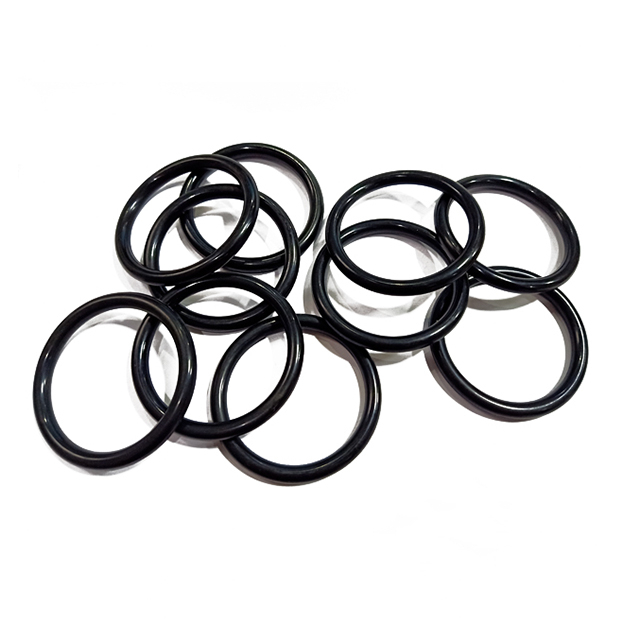
Ordering FKM O rings online demands careful review of technical specifications. Many listings highlight size only, yet performance depends on chemical resistance, temperature range, hardness, and long-term durability. These factors guide how well the O ring seals under pressure, heat, or exposure to aggressive fluids. Buyers can avoid failures by checking detailed specs before clicking “add to cart.”
Chemical compatibility determines whether the O ring will resist swelling, cracking, or softening after exposure to fluids. FKM handles fuels, oils, acids, and solvents well, but not every compound performs the same. Compatibility charts list ratings for each fluid, usually marked as “Excellent,” “Good,” “Fair,” or “Not Recommended.” Buyers should locate the fluid in the chart, confirm its rating, and compare it to the compound number shown in the listing.
Rating | What It Means |
Excellent | Safe for continuous use |
Good | Acceptable for most cases |
Fair | Possible swelling or wear |
Not Recommended | Risk of failure |
Selecting Temperature Ranges That Match Your Application
Temperature range deeply affects sealing performance. Standard FKM typically works from about −20°C to 200°C, yet some specialty FKMs offer improved low-temperature flexibility or higher heat resistance. Buyers should compare their system’s operating temperatures to the product listing. If a machine cycles through heat, cold, or long-term high temperatures, the compound must stay elastic across those limits. Missing or unrealistic temperature data often indicates low-quality material.
Hardness determines how the O ring handles pressure, movement, and compression. It appears as a number such as 60, 70, 75, or 90 Shore A. Softer grades seal easily in low-pressure systems. Harder grades manage extrusion and maintain shape in high-pressure valves or pumps. Online buyers should check the durometer carefully, because some sellers list only generic “FKM” without hardness details. A mismatch can lead to leaks, friction, or early wear.
Compression set measures the O ring’s ability to return to its original shape after being squeezed. Low compression set improves long-term sealing because the material stays elastic and keeps pressure against the sealing surface. FKM generally offers strong performance here, but compound differences still exist. Sellers may list compression set values in percentages, showing how much the material deforms over time. Lower values signal better durability, especially in static seals or systems that stay pressurized for long periods.
Selecting the correct size is one of the most important steps when buying FKM O rings online. Sellers often list hundreds of dimensions, and a small mistake can lead to leaks or installation problems. Size standards, measurement methods, and tolerance differences all influence how well the O ring fits. Buyers can avoid returns by understanding how sizing systems work and how to evaluate dimensions before placing an order.
Most online listings use one of three sizing systems. AS568 is common in the United States. ISO 3601 appears more often in European and global markets. Metric sizes appear on many low-cost listings from overseas suppliers. Each follows unique rules for inside diameter, cross-section, and tolerance. Buyers should check which system the listing uses because size codes do not translate directly.
Many buyers replace worn O rings but lack original documentation. Measuring the old seal helps identify the correct size. The inside diameter (ID) comes first. Measure it using calipers placed lightly inside the ring to avoid stretching. The cross-section (CS) is the thickness of the ring. Flatten the O ring on a smooth surface, then measure the thickness from top to bottom. Buyers should also note swelling, because fluid exposure can distort the original size. It helps to compare measurements to standard charts online rather than matching the swollen ring exactly.
Overseas listings sometimes follow looser tolerances than AS568 or ISO 3601. This can cause small gaps or excessive squeeze inside the sealing groove. Even a minor deviation affects sealing pressure, which may lead to leaks. Buyers should review tolerance information before ordering, especially for hydraulic systems. If no tolerance data appears in the listing, it may indicate a generic supplier.
Key tolerance issues include:
● Undersized ID creating installation difficulty
● Oversized CS creating excessive friction
● Variation between batches reducing consistency
Some applications use non-standard grooves or require special thicknesses for better sealing. In these cases, custom FKM O rings may fit better than standard sizes. Many industrial suppliers offer custom manufacturing without large minimum orders. Custom sizing helps when equipment uses older specifications, non-standard hardware, or unique sealing geometries.
Online buyers will find FKM O rings across many platforms, but not all sellers maintain industrial standards. Some offer broad inventories and verified materials, while others rely on generic listings that lack essential specifications. Choosing the right supplier determines sealing reliability, long-term performance, and safety. Buyers can make better decisions by understanding the differences between industrial distributors and general e-commerce platforms, and by focusing on transparency rather than promotional claims.
Industrial distributors focus on engineering-grade products. They typically offer certified compounds, detailed data sheets, and technical support. Pricing may be higher, but it reflects material reliability and controlled production. General e-commerce platforms, however, attract many small sellers. These listings can vary in quality because some use blended elastomers instead of true FKM. It creates risk when buyers need consistent performance in chemical or high-temperature systems. Industrial suppliers usually maintain material traceability, while general platforms often rely on seller descriptions.
Platform Type | Strengths | Limitations |
Industrial Distributor | Certified materials, technical data, stable quality | Higher cost, longer lead times |
General E-Commerce | Low prices, fast shipping | Mixed quality, vague specs |
Reliable suppliers provide clear and consistent information. Their webpages show compound numbers, durometer options, temperature ranges, and compliance details. They also identify whether the material is genuine Viton® or a generic FKM. A trustworthy supplier lists product standards, such as AS568 or ISO 3601, and provides downloadable technical sheets. These details demonstrate that the company understands material science and maintains quality control. It also shows commitment to transparency, which matters when buyers need confidence in online purchases.
Inventory depth influences how quickly a buyer receives O rings, especially for specialized grades like GLT or high-fluorine compounds. Industrial suppliers often stock thousands of sizes because they serve multiple sectors. They clearly show lead times and shipping schedules. Some e-commerce sellers rely on third-party warehouses, causing unpredictable delivery. Lead time transparency matters because many buyers need precise delivery for maintenance schedules. Lack of inventory depth also increases the risk of receiving substituted materials if the seller runs out of stock.
Reviews can help buyers evaluate customer service, but they rarely confirm material authenticity. Many low-cost FKM listings receive positive reviews simply because the product fits the correct size, not because it performs under heat or chemical exposure. Some reviews also come from general consumers who cannot test chemical resistance or durometer accuracy. Industrial buyers should prioritize technical data over ratings. A product may ship quickly and fit well, yet fail in demanding environments due to poor compound quality.
Online buyers often believe every FKM O ring performs the same, yet compound differences, hardness variations, and curing methods create major performance changes. Many listings oversimplify technical details, so buyers must look deeper into material specifications. Understanding these common mistakes helps prevent seal failures, chemical swelling, and costly downtime.
FKM is a broad material family, not a single formula. Compounds vary in fluorine content, curing system, and performance ratings. Generic FKMs may blend lower-grade elastomers that weaken under heat or fuel exposure. Buyers who treat all FKMs as interchangeable often receive a product that fails in demanding environments, especially when chemical resistance is critical.
Hardness affects how an O ring seals under pressure. Softer grades improve flexibility, while harder grades resist extrusion. Some buyers select the wrong hardness because the listing emphasizes price or availability instead of technical accuracy. Temperature ratings also matter. Standard FKMs handle high heat, but specialty grades improve low-temperature performance. Ignoring these limits leads to shrinkage, cracking, or thermal failure.
Price temptation causes many buyers to choose the cheapest FKM option. Low-cost products often fail in aggressive fluids because they use mixed polymers. Without checking compatibility charts, buyers risk selecting a compound that swells or hardens quickly. Chemical mismatch creates leaks or short seal life, even when the O ring fits correctly.
Curing method determines how an FKM compound handles acids, bases, and fuel blends. Peroxide-cured FKMs resist harsher chemicals than bisphenol-cured versions. Buyers rarely notice this difference, yet it influences long-term performance. Manufacturing standards, such as ASTM D1418 classification or Chemours licensing, also matter. A seller who cannot clarify these points may offer a low-grade material that lacks durability.
Buying high-quality FKM O rings requires careful checks on materials, sizing, and suppliers. It helps prevent failures and supports long service life. This guide offers a simple path for safe and reliable online purchasing. LIXU provides durable products and helpful service that give buyers confidence when choosing the right sealing solution.
A: Confirm material grade, hardness, and chemical compatibility to ensure the FKM O ring fits your application.
A: Look for compound codes, certifications, and clear specs that verify the FKM O ring is authentic.
A: Prices differ due to compound quality, temperature ratings, and whether the FKM O ring uses premium formulations.
A: Measure the old seal correctly and match the ID and cross-section to the FKM O ring listing.


