
Views: 0 Author: Site Editor Publish Time: 2026-04-01 Origin: Site


Are you aware of the crucial role EPDM gaskets play in various industries? These versatile sealing solutions are essential for ensuring efficiency and durability in applications ranging from automotive to construction. In this article, we will explore the properties, applications, and advantages of EPDM gaskets, helping you make informed decisions for your projects.
EPDM gaskets are known for their impressive chemical resistance. They can withstand exposure to various polar substances, including water, alcohols, and some acids. This makes them suitable for applications in plumbing, HVAC systems, and automotive weather stripping. The saturated polymer backbone of EPDM minimizes chemical degradation, ensuring long-lasting performance. However, it’s important to note that EPDM is not resistant to oils or petroleum-based products. In applications involving such substances, alternative materials may be more appropriate.
One of the standout qualities of EPDM gaskets is their wide temperature tolerance. They typically perform well within a range of -40°C to +120°C (-40°F to 248°F). This flexibility allows them to maintain sealing integrity in extreme cold and heat. Studies have shown that EPDM can endure these temperature fluctuations without losing its elasticity or strength. This makes it an ideal choice for outdoor applications, automotive components, and HVAC systems where temperature variations are common.
EPDM gaskets excel in weather resistance, particularly against UV radiation and ozone exposure. This resistance is crucial for outdoor applications, as it prevents the material from degrading over time. Research indicates that EPDM maintains its elasticity and strength even after prolonged exposure to sunlight and harsh environmental conditions. This property makes it a preferred material for sealing applications in construction, automotive, and marine industries, ensuring durability and longevity.
Tensile strength and flexibility are critical properties of EPDM gaskets. They exhibit tensile strength ranging from 7 MPa to 25 MPa, depending on the specific formulation. This strength allows them to withstand mechanical stress without tearing or deforming. Additionally, EPDM gaskets remain flexible, which is essential for maintaining a tight seal, especially in applications where surfaces may not be perfectly aligned. Their ability to accommodate movement and pressure changes further enhances their effectiveness in various sealing applications.
| Property | Typical Performance | Application Value |
|---|---|---|
| Chemical Resistance | Good resistance to water, alcohols, and some acids | Suitable for plumbing, HVAC, and weather sealing |
| Temperature Tolerance | Typically works from -40°C to +120°C | Performs well in hot and cold environments |
| Weather Resistance | Excellent resistance to UV and ozone | Ideal for outdoor and exposed applications |
| Tensile Strength | Commonly ranges from 7 MPa to 25 MPa | Helps resist tearing and deformation |
| Flexibility | Maintains elasticity under movement and pressure | Supports reliable sealing on uneven surfaces |
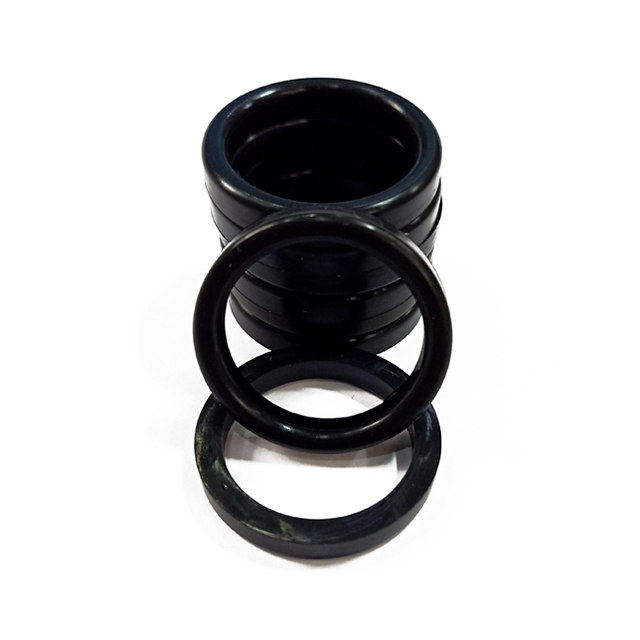
EPDM gaskets play a crucial role in the automotive industry. They are commonly used for weather stripping around doors and windows, ensuring that vehicles maintain an airtight and watertight seal. This prevents water, dust, and wind from entering the cabin, enhancing passenger comfort. EPDM's flexibility and durability allow it to withstand temperature fluctuations from -40°C to +120°C, making it ideal for various automotive components. For instance, modern vehicles utilize EPDM gaskets in trunk seals and engine compartment seals, where they must endure exposure to heat and chemicals.
In construction, EPDM gaskets are essential for sealing applications. They are widely used in roofing systems, window glazing, and HVAC installations. EPDM's superior weather resistance ensures longevity, even in harsh outdoor environments. For example, EPDM roofing membranes can last over 50 years with minimal maintenance, providing effective waterproofing and energy efficiency. Additionally, their flexibility allows for easy installation in irregular gaps, ensuring a tight seal that enhances the building's thermal performance.
Marine environments present unique challenges, and EPDM gaskets are well-suited for these conditions. They are used for sealing hatches, windows, and doors on boats and ships. EPDM's resistance to saltwater, UV radiation, and ozone makes it an ideal material for marine applications. These gaskets help prevent leaks and protect against corrosion, ensuring the safety and integrity of marine vessels. The low compression set of EPDM gaskets ensures they maintain their sealing properties even after repeated stress, which is critical in dynamic marine environments.
EPDM gaskets are widely used in HVAC systems, where they provide reliable sealing for ducts and pipes. Their ability to withstand temperature variations and humidity makes them ideal for maintaining airflow efficiency. In industrial settings, EPDM gaskets are employed in machinery and equipment to prevent leaks of fluids and gases. Their chemical resistance to water and steam ensures they perform effectively in various industrial applications. For example, they are commonly used in pumps and valves, where a secure seal is necessary to maintain operational efficiency.
Molding is a primary method used to manufacture EPDM gaskets, allowing for precise shaping and consistency. This technique involves placing EPDM rubber into a mold and applying heat and pressure to form the desired shape. There are two main types of molding: compression molding and injection molding.
Compression Molding: This method is commonly used for creating gaskets with complex geometries. The EPDM rubber is placed in an open mold, and heat is applied to cure the rubber. This process is ideal for producing both solid and sponge rubber gaskets, ensuring excellent dimensional stability and surface quality.
Injection Molding: In this process, EPDM rubber is heated until it becomes viscous and then injected into a closed mold. This method is suitable for high-volume production and allows for intricate designs. Injection molding is known for its efficiency and ability to create uniform gaskets with tight tolerances.
Extrusion is another vital manufacturing technique for EPDM gaskets. This process involves forcing EPDM rubber through a die to create continuous lengths of material with specific cross-sectional profiles.
Uses of Extrusion: Extruded EPDM gaskets are commonly used for weather stripping, window seals, and other applications requiring long, flexible shapes. The extrusion process allows for the production of gaskets in various sizes and shapes, making it a versatile option for many industries.
Benefits of Extrusion: This method offers rapid production rates and cost-effectiveness, especially for large-scale applications. The resulting gaskets maintain excellent flexibility, weather resistance, and durability, making them ideal for outdoor use.
Die-cutting and waterjet cutting are precision methods used to manufacture EPDM gaskets, especially when specific shapes and sizes are required.
Die-Cutting: This technique involves stamping EPDM sheets with a die to create flat gaskets. Die-cutting is efficient for producing large quantities of gaskets with simple or intricate designs. It ensures high precision and repeatability, making it suitable for automotive and construction applications.
Waterjet Cutting: Waterjet cutting uses high-pressure water mixed with abrasives to cut through EPDM rubber sheets. This method is ideal for creating complex geometries without generating heat, which can alter the material properties. Waterjet cutting is often used for custom gaskets in specialized applications, such as aerospace or industrial machinery.
In summary, the manufacturing processes for EPDM gaskets—molding, extrusion, die-cutting, and waterjet cutting—each play a crucial role in producing high-quality, durable sealing solutions. Understanding these methods helps in selecting the right gasket for specific applications, ensuring optimal performance and longevity.
Installing EPDM gaskets correctly is crucial for ensuring a reliable seal. Here are some best practices to follow:
Surface Preparation: Clean the surfaces where the gasket will be installed. Remove dirt, oil, and old gasket material. Contaminants can compromise the seal, leading to leaks. A clean surface promotes better adhesion and sealing performance.
Gasket Alignment: Proper alignment is essential. Misalignment can cause uneven compression, leading to gasket failure. Ensure the gasket fits snugly in the groove or sealing area. Align it carefully before securing it in place.
Compression Control: Apply the correct amount of compression to the gasket. Over-compressing can damage it, while under-compressing may not provide a proper seal. The optimal compression range for EPDM gaskets is typically between 10% and 30% of the gasket's thickness.
Even Torque Application: When using bolts or screws, tighten them evenly. Uneven torque can create pressure points that lead to leaks. Use a cross-tightening pattern to distribute pressure uniformly across the gasket.
Periodic Inspections: Regularly check the installed gaskets for signs of wear or damage. Look for cracks, deformation, or leaks. Early detection can prevent larger issues down the line.
Effective surface preparation is a key step in the installation process. Here’s how to do it right:
Cleaning: Use a suitable cleaner to remove all contaminants. For stubborn residues, consider using solvents that are safe for the material you’re sealing.
Drying: Ensure the surfaces are completely dry before applying the gasket. Moisture can hinder adhesion and sealing effectiveness.
Inspection: Check for any surface irregularities or damage. Smooth out rough areas if necessary to ensure an even surface for the gasket.
Alignment and compression are critical for a successful installation. Follow these guidelines:
Alignment: Position the gasket in the groove carefully. If it's a flat gasket, ensure it sits evenly across the entire surface.
Compression Measurement: Use a torque wrench to measure the applied torque accurately. Follow the manufacturer’s specifications to prevent over-tightening.
By keeping these practices in mind, you can enhance the performance and longevity of EPDM gaskets in various applications.
EPDM gaskets offer significant cost advantages, making them a popular choice in various industries. Their durability and resistance to wear mean they require less frequent replacement compared to other materials. For example, in automotive applications, EPDM gaskets can last up to 20 years under normal conditions, significantly reducing maintenance costs. This longevity translates into lower overall lifecycle costs for businesses, allowing for budget savings in both labor and materials.
One of the standout features of EPDM gaskets is their long-lasting performance. These gaskets maintain their sealing integrity over time, even under harsh environmental conditions. Their excellent resistance to UV radiation, ozone, and extreme temperatures ensures they don't degrade quickly. For instance, EPDM gaskets can reliably function in temperatures ranging from -40°C to +120°C (-40°F to 248°F), making them suitable for a wide range of applications, from automotive to HVAC systems. This durability means fewer replacements and less downtime, contributing to increased productivity.
EPDM gaskets are known for their flexibility, which allows them to conform to irregular surfaces and maintain a tight seal. This adaptability is crucial in applications where surfaces may not align perfectly. Their ability to withstand movement and pressure changes without losing sealing effectiveness is a significant advantage. For example, in construction applications, EPDM gaskets can accommodate the expansion and contraction of building materials due to temperature fluctuations, ensuring ongoing performance over time.
Additionally, EPDM's flexibility enables it to adapt to various sealing needs, whether in automotive weather stripping or HVAC duct sealing. This versatility makes it an ideal choice across multiple industries, ensuring reliable performance in diverse environments.
Customization of EPDM gaskets is essential for meeting specific industrial needs. Various manufacturing techniques allow for tailored solutions that enhance performance in unique applications.
Die-Cutting: This method involves cutting EPDM sheets into precise shapes using a die. It's efficient for producing flat gaskets in high volumes. Die-cutting offers consistency in size and shape, making it ideal for applications requiring uniformity, such as automotive and HVAC systems.
Waterjet Cutting: Using high-pressure water mixed with abrasives, waterjet cutting provides intricate designs without generating heat, which can alter the material properties. This technique is excellent for creating complex geometries and tight tolerances, suitable for specialized applications like aerospace components.
Molding and Extrusion: Both molding and extrusion processes can be customized. In molding, EPDM rubber is heated and shaped in molds, allowing for complex geometries. Extrusion involves forcing rubber through a die to create continuous lengths of gasket material, which can be cut to desired lengths. Both methods can be adjusted to meet specific thickness and density requirements.
Customizing EPDM gaskets offers several advantages:
Precision Fit: Tailored gaskets ensure a perfect fit for unique sealing requirements, minimizing the risk of leaks and enhancing performance.
Enhanced Performance: Custom formulations can improve properties such as chemical resistance or temperature tolerance, making gaskets more suitable for specific environments.
Reduced Waste: By producing gaskets that meet exact specifications, manufacturers can minimize material waste, contributing to more sustainable production practices.
Cost Efficiency: While custom gaskets may have a higher initial cost, their precision fit and enhanced performance can lead to long-term savings by reducing maintenance and replacement costs.
Thickness Variations: Custom gaskets can be produced in various thicknesses to accommodate different sealing pressures and surface roughness.
Material Formulations: Different EPDM blends can be created to enhance specific properties, such as UV resistance or flexibility, based on application needs.
Shape and Size: Custom shapes and sizes can be designed to fit specific equipment or machinery, ensuring optimal sealing performance.
Surface Texture: The surface finish of gaskets can be modified to improve adhesion or reduce friction, depending on the application.
By leveraging these customization options, industries can optimize the performance of EPDM gaskets, ensuring they meet the demanding requirements of their specific applications.
EPDM gaskets are highly valued for their chemical resistance, temperature tolerance, and weather resistance. They excel in automotive, construction, marine, and HVAC applications due to their flexibility and durability. Future innovations may enhance their performance and adaptability in extreme conditions. Lixu Rubber offers top-quality EPDM gaskets designed to meet specific industrial needs, providing long-lasting solutions that reduce maintenance costs. Their products ensure optimal performance, making them a reliable choice for various applications.
A: An EPDM gasket is a sealing component made from ethylene propylene diene monomer rubber, known for its excellent weather resistance, flexibility, and durability in various industrial applications.
A: To install an EPDM gasket, ensure surfaces are clean, align the gasket properly, control compression, and apply even torque to secure it, preventing leaks.
A: EPDM gaskets offer superior weather resistance, temperature tolerance, and long-lasting performance, making them ideal for outdoor and harsh environments.
A: EPDM gaskets provide excellent sealing, chemical resistance to polar substances, and flexibility, ensuring durability and reliability in various applications.
A: The cost of EPDM gaskets varies based on size, thickness, and customization; however, their longevity often results in lower overall lifecycle costs.


