
Views: 0 Author: Site Editor Publish Time: 2026-01-30 Origin: Site


Gaskets play a crucial role in sealing applications across many industries. Among them, silicone gaskets stand out due to their exceptional properties. In this article, we will compare silicone gaskets with other common materials, highlighting their advantages and ideal applications.
Silicone gaskets are specialized sealing components made from silicone rubber, known for their flexibility and durability. These gaskets are designed to provide reliable seals in various applications, effectively preventing leaks and maintaining pressure. Their unique properties make them suitable for demanding environments.
● Temperature Resistance: Silicone gaskets can operate in a wide temperature range, typically from -60°C to +230°C. Some specialized grades can withstand even higher temperatures, making them ideal for extreme conditions.
● Chemical Stability: They exhibit excellent resistance to many chemicals, including acids, alkalis, and solvents. This makes them a preferred choice in applications where exposure to harsh substances is common.
● Biocompatibility: Many silicone gaskets are FDA-approved, ensuring they are safe for use in food processing and medical applications.
Silicone gaskets are versatile and widely used across different industries. Here are some common applications:
Industry | Application Examples |
Food Processing | Seals for mixers, conveyors, and packaging machinery. |
Medical | Leak-proof seals for syringes, respirators, and devices. |
Automotive | Seals for engine components and fuel lines. |
Electronics | Gaskets for circuit boards, preventing dust and moisture. |
In these industries, silicone gaskets are favored for their ability to maintain integrity under various conditions.
Silicone gaskets offer several advantages over traditional materials like rubber or neoprene. Here are some key benefits:
● Versatility: They can be customized into various shapes and sizes, accommodating specific needs. This adaptability allows for tailored solutions in diverse applications.
● Reliability: Silicone gaskets maintain their sealing properties over time, even in extreme temperatures and harsh environments. This longevity reduces the need for frequent replacements.
● Environmental Resistance: These gaskets excel in outdoor applications, resisting ozone and UV degradation. They perform well in weather-exposed settings, ensuring durability.
Overall, silicone gaskets are an excellent choice for a wide range of sealing applications due to their unique properties and reliable performance.
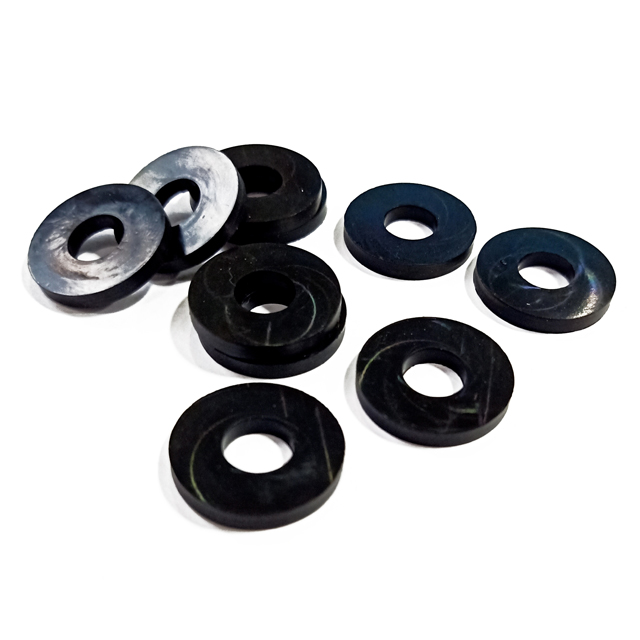
Silicone gaskets are known for their exceptional properties, which make them ideal for a variety of applications. Here, we’ll explore the key characteristics that set silicone gaskets apart from other materials.
Silicone gaskets can operate within a wide temperature range, typically from -60°C to +230°C. Some specialized grades even endure temperatures up to 260°C, making them suitable for extreme conditions. In comparison, other materials like Nitrile Rubber (NBR) and EPDM have more limited temperature ranges, often maxing out around 120°C. This advantage allows silicone gaskets to perform reliably in both high and low-temperature environments, making them a preferred choice for industries such as automotive and aerospace.
Material Type | Temperature Range |
Silicone | -60°C to +230°C (up to 260°C) |
NBR | -40°C to +120°C |
EPDM | -40°C to +120°C |
One of the standout features of silicone gaskets is their impressive chemical stability. They resist a wide array of chemicals, including acids, alkalis, and most organic solvents. This makes them suitable for applications where exposure to harsh substances is common, such as in chemical processing or food manufacturing. Additionally, many silicone gaskets are biocompatible, making them safe for use in medical devices and food processing equipment.
● Common Chemicals Resisted by Silicone Gaskets:
○ Acids (e.g., sulfuric acid)
○ Alkalis (e.g., sodium hydroxide)
○ Organic Solvents (e.g., gasoline, alcohol)
Silicone gaskets excel in outdoor applications due to their resistance to ozone and UV rays. They withstand weathering without degrading, ensuring long-lasting performance even in harsh environments. Lixu Rubber's silicone gaskets, in particular, are designed to maintain their integrity over time, showing no signs of aging or performance loss. This durability is crucial for applications exposed to the elements, such as automotive seals and outdoor electrical components.
When it comes to mechanical properties, silicone gaskets shine with their excellent tensile strength and flexibility. They also provide outstanding electrical insulation, making them ideal for electronic applications. In comparison to other gasket materials, silicone gaskets offer superior performance, particularly in demanding conditions. Lixu Rubber emphasizes quality in its silicone products, ensuring they meet rigorous standards for performance and reliability.
● Key Mechanical Properties:
○ High tensile strength
○ Flexibility under compression
○ Excellent electrical insulation
Silicone gaskets are not just versatile; they are built to last, providing reliable sealing solutions across various industries. Their unique properties make them a top choice for applications requiring durability and performance.
When selecting a gasket material, it's essential to understand how silicone gaskets compare to other common options. Each material has its strengths and weaknesses depending on the application. Let’s explore how silicone stacks up against Nitrile Rubber (NBR), Fluoroelastomer (FKM/Viton), PTFE (Teflon), Neoprene, and EPDM gaskets.
Nitrile Rubber (NBR) gaskets are known for their oil resistance and are often used in automotive applications. However, silicone gaskets outperform NBR in several key areas:
● Temperature Range: Silicone gaskets can withstand temperatures from -60°C to +230°C, while NBR typically operates between -40°C and +120°C. This broader range allows silicone to be used in more extreme environments.
● Biocompatibility: Silicone gaskets are biocompatible, making them suitable for food and medical applications. NBR lacks this property, limiting its use in sensitive environments.
Property | Silicone Gasket | NBR Gasket |
Temperature Range | -60°C to +230°C | -40°C to +120°C |
Biocompatibility | Yes | No |
Fluoroelastomer gaskets, like Viton, are excellent for high-temperature and chemical applications. Here’s how they compare:
● Low-Temperature Performance: Silicone gaskets perform well in low temperatures, while FKM gaskets may become brittle.
● Cost-Efficiency: Silicone gaskets are generally more cost-effective than FKM gaskets, making them a better choice for budget-conscious projects.
PTFE gaskets are known for their chemical resistance, but silicone gaskets have some advantages:
● Elasticity and Sealing Effectiveness: Silicone gaskets offer better elasticity, providing a tighter seal under compression. This is crucial in applications requiring reliable sealing.
● Food Safety Compliance: Many silicone gaskets, especially those from Lixu Rubber, are FDA-approved, ensuring they meet safety standards for food processing.
Neoprene gaskets are often chosen for general-purpose applications. However, silicone gaskets provide several benefits:
● Mechanical Strength: Silicone gaskets exhibit superior mechanical strength and flexibility compared to neoprene. This makes them ideal for dynamic applications where movement occurs.
● Cost-Effectiveness: Lixu Rubber offers competitive pricing on high-quality silicone gaskets, making them an attractive alternative to neoprene.
EPDM gaskets are popular for outdoor applications due to their weather resistance. Here’s how silicone compares:
● Outdoor Performance: Silicone gaskets excel in outdoor environments, resisting ozone and UV rays better than EPDM.
● Chemical Resistance: Silicone gaskets also offer superior resistance to a wider range of chemicals, making them suitable for more diverse applications.
Material | Outdoor Performance | Chemical Resistance | Typical Applications |
Silicone | Excellent | High | Food, Medical, Automotive |
EPDM | Good | Moderate | Construction, HVAC |
Understanding these comparisons can help you choose the right gasket material for your specific needs. Silicone gaskets stand out for their versatility, reliability, and performance across various industries.
Silicone gaskets are highly customizable, making them suitable for a wide range of applications. Their versatility allows manufacturers like Lixu Rubber to create gaskets tailored to specific needs. Let’s explore the customization options, manufacturing processes, and the importance of tailored formulations.
One of the standout features of silicone gaskets is their ability to be customized in various shapes and sizes. Whether you need a simple round gasket or a complex profile, silicone can be molded to fit your requirements. Common customization options include:
● Shapes: Gaskets can be produced in circular, rectangular, or custom shapes to fit specific applications.
● Sizes: From small components for electronics to large seals for industrial machines, silicone gaskets can be made in any size.
● Thickness: Customers can choose the thickness of the gasket material to meet specific sealing requirements.
This level of customization ensures that you get the perfect fit for your application, enhancing the effectiveness of the seal.
Lixu Rubber employs several manufacturing processes to produce high-quality silicone gaskets. Each method is chosen based on the specific needs of the customer:
1. Die-Cutting: This process is ideal for creating flat gaskets from sheets of silicone. Die-cut gaskets are cost-effective for medium to large production runs.
2. Molding: Silicone gaskets can be molded into complex shapes. This method is suitable for high-precision applications where intricate designs are required.
3. Extrusion: Extruded silicone gaskets are produced in continuous lengths and can be cut to size. This process is efficient for making long, uniform gaskets, often used in automotive and industrial applications.
Manufacturing Process | Best For | Advantages |
Die-Cutting | Flat gaskets | Cost-effective for large runs |
Molding | Complex shapes | High precision |
Extrusion | Continuous lengths | Efficient and uniform |
The formulation of silicone materials can be tailored to meet specific application requirements. This is crucial for ensuring optimal performance in various environments. Lixu Rubber specializes in creating custom formulations that enhance properties such as:
● Temperature Resistance: Custom formulations can improve the temperature range of silicone gaskets, making them suitable for extreme conditions.
● Chemical Resistance: By adjusting the chemical composition, Lixu can produce gaskets that resist specific chemicals, ideal for industrial applications.
● Mechanical Properties: Tailoring the formulation can enhance flexibility, tensile strength, and durability, ensuring the gasket performs well under pressure.
For example, Lixu Rubber has developed specialized silicone gaskets for the food processing industry that are both FDA-approved and capable of withstanding high temperatures and aggressive cleaning agents.
In summary, the customization and manufacturing capabilities of silicone gaskets allow for tailored solutions that meet the diverse needs of various industries. This flexibility makes silicone gaskets a preferred choice for applications requiring reliability and performance.
When it comes to silicone gaskets, quality certifications and compliance with international standards are crucial. These certifications ensure that the gaskets meet safety, performance, and environmental requirements. Let’s explore the key certifications relevant to silicone gaskets and the importance of compliance in various industries.
Several international certifications are particularly important for silicone gaskets. Here are some of the most recognized:
● FDA (Food and Drug Administration): This certification is vital for gaskets used in food processing and medical applications. It ensures that the materials are safe for contact with food and do not leach harmful substances.
● REACH (Registration, Evaluation, Authorisation and Restriction of Chemicals): This European Union regulation ensures that chemicals used in manufacturing are safe for human health and the environment. Compliance with REACH indicates that silicone gaskets are produced without harmful substances.
● RoHS (Restriction of Hazardous Substances): This directive restricts the use of specific hazardous materials in electrical and electronic equipment. Silicone gaskets that comply with RoHS are essential for applications in the electronics industry, ensuring safety and environmental responsibility.
Certification | Purpose | Importance |
FDA | Ensures safety for food and medical applications | Vital for compliance in sensitive industries |
REACH | Regulates chemical safety | Ensures environmental and health safety |
RoHS | Limits hazardous substances | Essential for electronics and sustainable practices |
Compliance with these certifications is not just about meeting regulations; it reflects a commitment to quality and safety. For manufacturers like Lixu Rubber, adhering to these standards is essential for several reasons:
● Safety Assurance: Compliance ensures that silicone gaskets do not pose health risks, particularly in food and medical applications. This builds trust with customers and end-users.
● Performance Reliability: Meeting industry standards guarantees that the gaskets will perform effectively under specified conditions. This is crucial in applications where failure could lead to significant issues, such as leaks or contamination.
● Global Market Access: Many industries require compliance with specific certifications to enter international markets. By ensuring their silicone gaskets meet these standards, Lixu Rubber can cater to a global customer base, enhancing their competitiveness.
Lixu Rubber’s commitment to quality and compliance with these international standards demonstrates its dedication to producing reliable silicone gaskets that meet the needs of various industries. This focus not only ensures safety and performance but also positions the company as a trusted supplier in the global market.
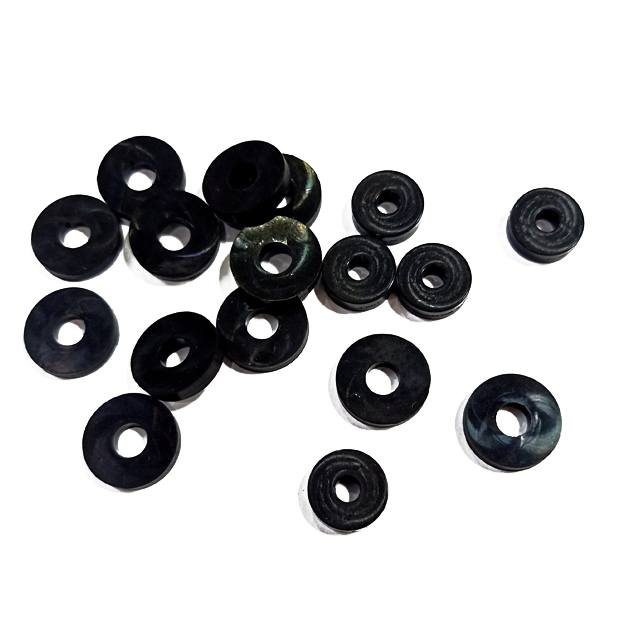
When it comes to selecting the right gasket material, silicone gaskets stand out for several compelling reasons. Their versatility, performance, and cost-effectiveness make them an excellent choice for a wide range of applications. Let’s delve into the key highlights that make silicone gaskets a preferred option.
Silicone gaskets are incredibly versatile, allowing them to meet diverse application needs across various industries. Whether it's in automotive, aerospace, food processing, or medical devices, silicone gaskets can be tailored to fit specific requirements. Here are some key points about their adaptability:
● Custom Shapes and Sizes: Silicone gaskets can be manufactured in a variety of shapes and sizes, ensuring a perfect fit for any application. This customization is crucial for industries that require precise sealing solutions.
● Wide Temperature Range: They can operate effectively in extreme temperatures, from -60°C to +230°C, making them suitable for both high-heat and low-temperature environments.
● Chemical Resistance: Silicone gaskets resist a wide range of chemicals, including oils, solvents, and acids, making them ideal for demanding applications.
Industry | Application Examples |
Automotive | Engine components, fuel systems |
Aerospace | Seals in aircraft, fuel tanks |
Food Processing | Gaskets for mixers, packaging |
Medical Devices | Seals in syringes, respiratory equipment |
The performance and reliability of silicone gaskets are unmatched, particularly in extreme conditions. Lixu Rubber invests heavily in research and development to ensure that their silicone gaskets maintain long-term sealing integrity. Key performance features include:
● Durability: Silicone gaskets are designed to withstand harsh environments without degrading, ensuring they maintain their sealing properties over time.
● Long-Term Performance: They provide reliable sealing even under fluctuating pressure and temperature conditions, which is vital for applications where failure is not an option.
● R&D Support: Lixu’s commitment to innovation means they continuously improve their silicone formulations, enhancing performance attributes such as flexibility, tensile strength, and thermal stability.
When analyzing the cost versus performance benefits of silicone gaskets, the value becomes clear. Although the initial investment may be higher than some other materials, the long-term benefits outweigh the costs. Here’s how silicone gaskets provide cost-effectiveness:
● Reduced Maintenance Costs: With their durability and reliability, silicone gaskets require less frequent replacement, leading to lower maintenance costs over time.
● Competitive Pricing: Lixu Rubber employs competitive pricing strategies, making high-quality silicone gaskets accessible without compromising on performance.
● Enhanced Efficiency: The superior sealing capabilities of silicone gaskets help prevent leaks and failures, which can lead to costly downtime in production processes.
Cost Factor | Silicone Gaskets | Other Materials |
Initial Cost | Moderate | Often lower |
Maintenance Frequency | Low | Higher |
Long-Term Savings | Significant | Minimal |
Silicone gaskets offer a blend of versatility, outstanding performance, and cost-effectiveness, making them an ideal choice for a wide range of applications. With Lixu Rubber's commitment to quality and innovation, customers can trust that they are getting the best solutions for their sealing needs.
Silicone gaskets offer numerous benefits over other materials. They are versatile, durable, and resistant to extreme temperatures and chemicals. Their long-term performance ensures reliability in various applications.
When choosing the right gasket material, consider your specific needs. Lixu Rubber provides high-quality silicone gaskets tailored to meet diverse requirements. Explore their products for effective sealing solutions.
A: Silicone gaskets are widely used in automotive, aerospace, food processing, medical devices, and electronics industries.
A: Consider factors like temperature range, chemical resistance, and application-specific requirements to select the appropriate gasket material.
A: Yes, silicone gaskets maintain their sealing integrity under high pressure, making them suitable for demanding applications.
A: Silicone gaskets typically have a longer lifespan due to their durability and resistance to degradation.
A: Absolutely! Silicone gaskets are FDA-approved and safe for food contact, making them ideal for food processing.


