
Views: 0 Author: Site Editor Publish Time: 2025-12-03 Origin: Site


Industrial machines face heat, pressure, and harsh chemicals every day. Many teams rely on FKM O rings to keep their systems sealed and running safely. Demand for ready-to-use FKM O ring kits is rising fast in 2025. These kits help maintenance teams work faster and avoid costly downtime. In this post, you’ll learn the top 10 FKM O ring kits and how to choose the best one for your industrial needs.
Industrial buyers face many options when comparing FKM O ring kits, and the right choice depends on material chemistry, size standards, durability, and long-term value. This section breaks down the core factors that determine whether a kit can survive real industrial stress. Each part helps teams avoid leaks, reduce downtime, and match kits to machinery used in factories, chemical plants, or energy sites.
FKM comes in several grades, and each grade changes how the O ring performs. Fluorine content affects chemical resistance and heat stability, so higher fluorine levels offer stronger defense against oils, fuels, and acids. Many plants depend on A- or B-type FKM for general sealing, yet some sectors need more extreme durability.
GLT grades stay flexible at low temperatures, even near –50°C, which makes them ideal for aerospace starts or outdoor cold operations. ETP grades resist harsh chemicals found in reactors or solvent systems, so they work well when exposure becomes unpredictable. These specialty grades cost more, but they help reduce seal failures in demanding environments.
Industrial machines are built under different global sizing systems. Because of this, FKM O ring kits must match multiple standards to avoid installation issues. AS568 sizes appear in North American equipment, while ISO or DIN sizes dominate European and Asian machinery. Teams often run mixed fleets, so a kit missing certain standards creates delays.
When sizes don’t match, seals sit loosely or become compressed unevenly. These small errors cause early leakage or physical wear. A well-designed kit includes cross-standard coverage, allowing buyers to stock one kit for many types of pumps, valves, or cylinders. It cuts the need to reorder small missing sizes later.
Industrial sealing demands wide temperature tolerance, usually from –15°C to more than 200°C. Many machines run near constant heat, and others face rapid temperature cycles. FKM survives most thermal changes without losing elasticity, so it's common in oil systems and combustion-related equipment.
Chemical resistance also matters. Facilities handling fuels, acids, or synthetic lubricants need O rings that stay stable under aggressive media. In oil and gas sites, fluids often contain additives that weaken lower-grade elastomers. Aerospace uses fluids that challenge seal strength at both low and high temperatures. FKM fits these environments, but only when buyers choose the proper formulation.
Good FKM O rings hold their shape under stress. A compression set of 15% or lower is the industrial benchmark, because compressed seals must spring back without cracking. Machines that cycle often, like hydraulic pumps, place repeated pressure on O rings. If the material loses elasticity, leaks follow.
Thicker sections resist extrusion inside high-pressure grooves, especially in pumps over 30 MPa. Carbon black reinforcement boosts abrasion resistance, helping the material survive dynamic motion. Kits designed for rotating shafts or piston movement should list their reinforcement type. It saves teams from premature seal breakdown.
A strong industrial kit covers many inner diameters, cross-sections, and thicknesses. These variations allow maintenance teams to handle different groove designs without delays. Kits offering both thin and thick cross-sections support static and dynamic sealing in one package. It speeds up emergency repairs across complex plants.
Backup rings also matter. They prevent extrusion under high pressure, especially when FKM works in pumps or valves. Kits including PTFE backup rings or encapsulated options create additional protection for systems that operate for long shifts.
Practical extras help teams move faster on the job. Good kits include labeled compartments, clear size charts, and chemical compatibility guides. These features reduce errors during installation and help technicians confirm the right grade. Many premium sets come with durable storage cases, so parts stay clean and protected during transport.
Some suppliers offer color-coding for fluorine content or material hardness. These indicators make it easier to choose seals for hot, cold, or chemical-intense environments. The goal is efficiency—fewer mix-ups, faster replacements, and better field performance.
Buyers compare premium and bulk kits based on long-term cost, not just price per piece. Premium kits use higher-grade formulas and tighter tolerances, reducing failures during operation. This lowers machinery downtime, which often costs far more than the O ring itself. Bulk kits serve factories that replace seals often, so they help reduce per-unit expense.
Teams must balance cost and reliability. It’s common to use premium kits for mission-critical components and bulk kits for general line maintenance. This approach keeps budgets steady while protecting important assets.
Evaluation Factor | Why It Matters | What to Look For |
FKM Grade | Defines chemical and heat resistance | A/B for general use, GLT/ETP for extremes |
Standards | Ensures global machinery fit | AS568, ISO 3601, DIN 3771, JIS B 2401 |
Temperature Range | Supports heat-heavy operations | –15°C to 200°C+, specialty grades lower/higher |
Mechanical Properties | Prevents leaks and wear | Compression set ≤15%, reinforcement |
Kit Variety | Helps fast repairs | Wide size range, thick/thin options |
Add-Ons | Boosts productivity | Labels, charts, storage cases |
TCO | Reduces long-term cost | Match kit type to application |
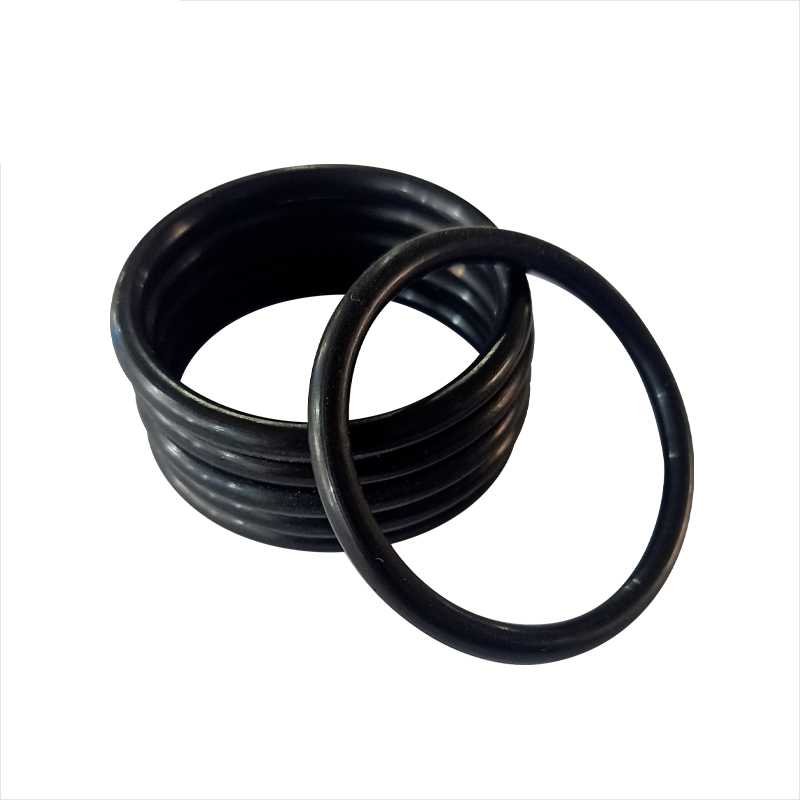
Industrial teams often need reliable FKM O ring kits for repairs, upgrades, and high-stress sealing tasks. The kits below stand out for durability, temperature stability, and global size compatibility. Each option supports different environments, so technicians can pick the best fit for pumps, reactors, engines, or heavy machines.
The Lixu kit uses a high-purity 68% FKM formulation, so it holds strong under heat and chemical exposure. It offers the widest compliance range, covering AS568 and ISO sizes that fit global machinery. Plants in oil and gas depend on this kit for routine maintenance. Chemical processing sites use it as well, because the material stays stable under aggressive fluids. Heavy machinery teams value its broad size coverage, which reduces downtime during emergency repairs.
SVKS includes A, B, and F-type formulations, and each performs well under harsh temperature swings. The kit supports environments where heat rises quickly, like combustion systems or industrial ovens. It works for dynamic seals that face repeated movement, since the thicker walls resist distortion. Teams often use it when standard FKM grades fail too early.
This kit focuses on GLT and ETP grades, so it fits aerospace and reactor-grade operations. GLT stays flexible during deep-cold starts, and ETP handles aggressive chemical flows. Many research labs and turbine facilities rely on this mix. It also supports applications where seals must tolerate quick thermal changes without cracking.
Savvy Rubber offers both FKM rings and PTFE-encapsulated options. The included PTFE backup rings resist extrusion at high pressures, making the kit ideal for hydraulic pumps. It suits semiconductor systems as well, where pressure stability matters. The design protects seals from long-term deformation during constant cycles.
This kit blends FKM and FFKM, giving engineers flexibility in corrosive media. FFKM tolerates extreme chemicals, so it works for CIP and SIP sterilization cycles. The kit fits valves, pipelines, and high-purity reactor systems. It offers strong durability when exposure becomes unpredictable or when chemicals shift between batches.
Factories that replace seals often need larger quantities. This 300-piece kit covers many AS568 and ISO sizes, offering a strong value. It suits assembly lines, maintenance departments, and repair stations. It helps teams reduce per-unit costs, especially in facilities that operate 24 hours a day. The kit stays organized in stackable bins that make inventory easier.
Hongju includes A, B, F, GLT, XLT, and ULT grades. This range works for diverse environments, from cold-start outdoor systems to high-heat industrial engines. Teams use it in automotive repairs, chemical handling, and general manufacturing. It suits groups that manage mixed fleets and want flexible sealing options.
Feiyun focuses on ISO 3601 Class A and B compliance. This makes the kit useful for hydraulic and pneumatic systems built in international factories. It supports smooth operation in cylinders, pumps, and actuators. The O rings offer low friction, so dynamic parts move cleanly. Many exporters select this kit for cross-border equipment servicing.
HBMichu designs thick-wall seals reinforced for abrasion. These rings stay stable under high pressure, making them useful for pumps above 40 MPa. Marine engines benefit as well, since the kit handles vibration and long run times. Large-diameter options fit heavy-duty systems that standard kits cannot support.
This kit includes FKM, HNBR, NBR, and PTFE. Mixed-media factories use it when machinery handles oil, air, or water. It works for pneumatic and hydraulic systems that shift between different fluids. The variety makes it a good choice for facilities that operate many machine types and want one kit for most tasks.
Kit Name | Best For | Key Advantage |
Lixu Premium Kit | Overall performance | High-purity 68% FKM, broad standards |
SVKS Thick-Seal Kit | High heat | Multi-grade support |
SVKS GLT/ETP Kit | Extreme temps | Aerospace-level materials |
Savvy Rubber Kit | High pressure | PTFE backup rings |
JST FKM+FFKM Kit | Chemical plants | Strong chemical resistance |
O-Rings Seals Bulk Kit | High-volume use | 300-piece value pack |
Hongju Industrial Kit | Multi-formulation | Wide grade range |
Feiyun ISO Kit | Global machinery | ISO Class A/B |
HBMichu Thick-Wall Kit | High pressure pumps | Abrasion-resistant build |
JST Multi-Material Kit | Mixed applications | FKM + HNBR + PTFE |
Industrial environments place unique demands on sealing materials. FKM O ring kits, when matched correctly to their application, help reduce failures and keep heavy systems running smoothly. Each sector faces different chemical loads, temperature swings, and mechanical pressures. The following guide explains how teams can choose the right kit for their industry and avoid premature wear, unwanted leaks, or costly downtime.
Chemical processing plants expose seals to aggressive fluids, high temperatures, and constant media changes. ETP-type FKM performs well in these environments because it resists a broad range of solvents. Many plants also use FFKM blends, since they handle extreme chemicals that weaken standard FKM grades. It helps protect seals in reactors, acid tanks, and purification systems.
ETP works in refining units where fluid streams shift between acids, esters, or corrosive additives. FFKM offers even stronger resistance for high-purity operations, especially when equipment cycles through CIP and SIP cleaning. Engineers rely on these formulations because they stay stable during long processing runs, even when temperature and pressure change quickly.
Oil and gas systems generate intense heat, pressure spikes, and vibration. FKM kits designed for high temperatures help avoid material breakdown during heavy cycles. These machines often need seals that hold shape under constant compression and heat exposure. It’s common for equipment to reach temperatures near the upper FKM limit, so strong formulations matter.
Some applications face explosive decompression, especially in drilling systems or gas-handling units. Seals must resist rapid pressure drops without blistering. Kits that include reinforced FKM or higher fluorine levels support this need. Power generation sites, including turbines, run at elevated temperatures for long periods. These conditions require O rings that stay elastic and resist cracking during thermal cycling.
Aerospace systems operate in low-temperature conditions where many elastomers stiffen. GLT or XLT FKM grades stay flexible at extremely low temperatures, allowing startup in cold environments. These materials also support systems exposed to aviation fuels. They maintain elasticity through rapid altitude-related temperature changes.
Automotive and turbocharged engines create heat cycles, vibration, and oil exposure. Standard FKM works well here, since it resists oil breakdown and maintains strength during continuous cycling. Turbocharged systems build pressure quickly, so seals must handle both heat and boost pressure. GLT helps in cold starts, while traditional FKM handles high-temperature zones near exhaust paths.
Factories often handle mixed fleets of machines. Some machines need precision-grade seals, while others require frequent replacements. Maintenance teams balance cost, coverage, and reliability when selecting FKM kits. Bulk kits offer value for high-volume replacements. They help teams restock large facilities without overspending.
Premium kits fit critical systems that run under pressure or heat. These kits offer tighter standards and better formulations, which reduce unexpected failures. Teams decide based on how often each machine runs, how fast the part wears, and how costly downtime becomes. A mix of both kit types often works best, allowing plants to protect essential machines while staying budget-friendly.
Industry Sector | Best Kit Type | Material Recommendation | Key Benefit |
Chemical Processing | High-resistance kits | ETP-FKM / FFKM | Handles corrosive fluids |
Oil & Gas | Heat-stable kits | High-temp FKM | Resists decompression damage |
Aerospace | Low-temp kits | GLT / XLT FKM | Flexible in extreme cold |
Automotive | Heat-cycling kits | Standard FKM | Strong oil resistance |
Manufacturing Plants | Mixed kits | Bulk + Premium | Balanced cost and durability |
Selecting the right FKM O ring kit helps teams avoid downtime, protect critical machinery, and keep repair schedules efficient. Industrial buyers often face dozens of options, so a clear checklist ensures they focus on performance, durability, and long-term value. The following points outline what every kit should include, what to avoid, and how to match the kit to your industry and budget.
A strong FKM kit must include standard-compliant sizes, since AS568, ISO 3601, and DIN 3771 support most global machines. It should also offer multiple thickness options, because different grooves require different cross-sections. Buyers depend on chemical compatibility charts to prevent failures caused by aggressive fluids. These charts help teams confirm if FKM, ETP, or blended materials can resist oils, acids, or solvents. A durable storage case also helps protect rings from dust or deformation during transport.
Buyers should stay away from non-standard kits, since missing size ranges often cause improper fitting. Kits that list no compression-set data leave teams uncertain about long-term durability. Unclear material formulations also create risk, because not all FKM grades perform the same under heat or chemical load. Some low-quality kits mix inconsistent compounds, leading to premature cracking. It’s best to choose suppliers that share test data, hardness ratings, and fluorine content details.
Industry demands vary, so buyers should match a kit to their specific environment. Chemical plants need ETP or FFKM-enhanced kits, while oil and gas sites require high-temperature FKM. Aerospace relies on GLT or XLT for cold starts. Mixed factories benefit from bulk kits, since they replace seals often. Premium kits work best for mission-critical machines, especially those running under high pressure. Teams can balance cost and reliability by using a combination of bulk and specialty kits.
FKM O ring kits help protect machines from heat, chemicals, and pressure. Each industry needs the right grade to keep systems running safely. Teams should match temperature limits, chemical exposure, and global size standards to avoid downtime. LIXU offers high-purity FKM kits that support tough industrial needs and help factories maintain strong sealing performance.
A: An FKM O ring kit uses heat- and chemical-resistant materials, so it performs better in demanding industrial systems.
A: Match the FKM O ring grade to your temperature range, chemicals, and machinery standards like AS568 or ISO.
A: Yes, a high-quality FKM O ring kit reduces failures, lowers downtime, and offers more accurate sizing.
A: Bulk FKM O ring kits fit general repairs, but critical machines may need premium grades for reliability.


