
Views: 0 Author: Site Editor Publish Time: 2026-07-17 Origin: Site


In industrial engineering, a harsh reality consistently emerges across modern facilities. A seemingly negligible component cost often dictates the entire reliability of multi-million-dollar systems. You simply cannot afford to overlook small seals when massive production lines depend on them. Specifying the exact compound and durometer for an industrial O-ring is absolutely critical for operational success. Proper material specification actively prevents catastrophic equipment failures, eliminates expensive unplanned downtime, and avoids severe regulatory fines. Relying on basic rubber compounds will not suffice in extreme operating conditions.
This guide provides a comprehensive evaluation framework for the top five industrial environments. We move far beyond basic definitions to focus strictly on precise material-to-application matching. You will learn how to navigate common implementation risks and secure leak-proof performance across diverse engineering sectors. By understanding the chemical and thermal limits of different elastomers, you can design vastly superior sealing systems.
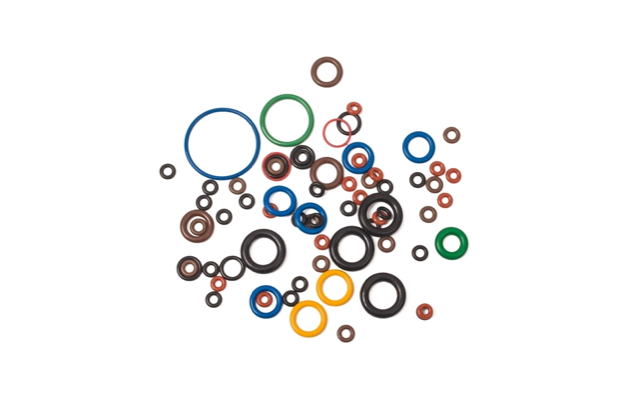
Evaluating industrial O-ring applications requires balancing three primary constraints: pressure (extrusion risk), temperature ranges (thermal degradation/brittleness), and chemical compatibility (swelling/shrinkage).
Dynamic hydraulic seal applications require vastly different wear resistance (e.g., Polyurethane or HNBR) compared to static chemical processing seals (e.g., FFKM or PTFE).
Compliance (FDA, USP Class VI) and operational environment (CIP/SIP washdowns) strictly dictate material shortlists in food and pharmaceutical manufacturing.
Heavy machinery and industrial presses face severe downtime if dynamic fluid containment fails. High-pressure spikes cause premature wear on standard elastomers. Meanwhile, continuous motion generates excessive friction heat inside the cylinder. These mechanical stresses quickly destroy inferior materials. Equipment operators rely heavily on robust internal containment to maintain safe lifting capacities and smooth operational cycles.
Engineers must utilize high-durometer elastomers alongside specialized backup rings to solve this challenge. These components function together as a highly reliable hydraulic seal. The backup ring prevents the softer rubber element from deforming. It effectively closes the extrusion gap during sudden pressure spikes. This dual-component approach represents a proven industry standard for dynamic cylinders.
You must evaluate your system across two key physical dimensions:
Pressure tolerance: The compound must withstand 1,500 to over 6,000 PSI safely. It cannot extrude or push into hardware clearances under maximum load.
Friction metrics: Dynamic motion demands low abrasion and high tear resistance. Constant stroking against metal surfaces will shred weak rubber quickly.
Implementation risks remain high in dynamic fluid power setups. Spiral failure frequently occurs when a seal rolls uncontrollably inside the gland. Nibbling happens when extrusion forces chip away small pieces of the elastomer. Furthermore, selecting a compound incompatible with modern synthetic fluids leads to rapid degradation and inevitable blowouts.
To establish your shortlisting logic, evaluate standard Nitrile (NBR) for conventional petroleum-based oil setups. You should upgrade directly to Hydrogenated Nitrile (HNBR) or Polyurethane for high-abrasion, heavy-duty environments. Polyurethane specifically provides unmatched tensile strength against constant mechanical wear.
Exposure to aggressive solvents, highly concentrated acids, and volatile hydrocarbons demands absolute zero-leakage performance. Facility managers must prevent catastrophic environmental hazards. They also need to ensure complete plant safety for all active personnel. A single compromised pipeline joint can trigger massive emergency shutdowns and prompt severe environmental audits.
High-performance, chemically inert fluoroelastomers and perfluoroelastomers dominate this specific sector. They represent some of the most critical Industrial O-Ring applications currently operating today. These advanced polymers resist molecular breakdown when submerged in harsh fluids. They maintain their structural integrity even during continuous exposure to mixed chemical streams.
You must critically evaluate these performance dimensions:
Broad-spectrum chemical resistance: Volume swell must remain strictly below 10-15% when exposed to target media. Excessive swelling forces the seal out of its groove.
Explosive Decompression (ED): Seals require resistance to rapid gas expansion. High-pressure gases permeate the rubber structure. When pressure drops suddenly, these gases expand violently and tear the seal internally.
Incorrect specification easily leads to severe embrittlement. You might also encounter massive volume swell or the immediate dissolution of the seal. A common mistake involves deploying standard elastomers in amine-based chemical streams, which rapidly destroy conventional rubber bonds.
Start your shortlisting baseline with FKM (Viton™) for general petrochemical usage. You must escalate to FFKM (Kalrez®) or PTFE-encapsulated O-rings for universal chemical resistance. FFKM handles aggressive mixed-media streams and severe thermal environments effortlessly. It remains the ultimate safeguard for extreme chemical containment.
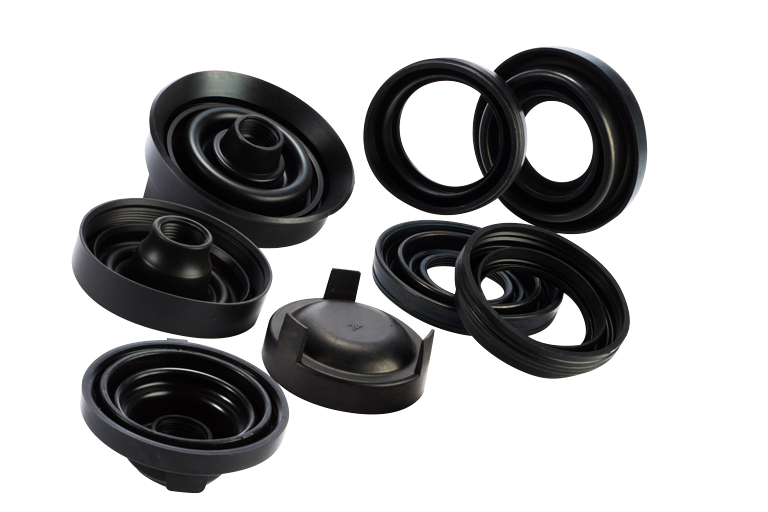
Flight components must maintain absolute structural integrity throughout an entire journey. They endure rapid, extreme temperature fluctuations during every ascent and descent. They also experience severe altitude pressure shifts constantly. A failure in an aviation fuel line or a hydraulic landing gear system poses immediate, catastrophic risks to the aircraft.
Engineers strictly utilize Mil-Spec certified elastomers for these aerospace systems. These specialized compounds effectively bridge the vast performance gap. They maintain sub-zero flexibility at high altitudes while surviving intense engine-heat resistance near propulsion zones. Standard commercial materials cannot survive this massive thermal bandwidth.
Your evaluation must prioritize these specific dimensions:
Thermal bandwidth: You must evaluate Low-Temperature Retraction (TR-10) limits closely. Compare these exact limits alongside the compound's continuous high-temperature operating ratings.
Outgassing: Ensure materials never release volatile organic compounds. In deep space or high-altitude vacuum environments, outgassing clouds critical optical sensors and contaminates sensitive electronics.
Implementation risks in aerospace are severe. Shrinkage leaks often occur at high altitudes because cold temperatures cause elastomers to contract significantly. Conversely, compression set failure happens near jet propulsion heat zones when rubber permanently loses its memory and flattens out.
Fluorosilicone (FVMQ) typically makes the top shortlist for aviation fuel systems. It uniquely provides both exceptional cold flexibility and necessary hydrocarbon resistance. Standard Silicone (VMQ) works perfectly for environmental non-fuel sealing, such as cabin doors and instrument panel enclosures.
Processing lines must actively prevent any form of bacterial contamination. At the exact same time, they must survive intensely aggressive sterilization protocols. Clean-in-Place (CIP) and Steam-in-Place (SIP) routines flood the system with caustic chemicals and boiling steam. These daily washes severely punish any sealing component installed in the line.
Operations require sanitary-grade, non-toxic, and heavily regulated elastomer compounds. You cannot utilize standard industrial rubber anywhere near consumables. Material purity is heavily monitored by global health agencies to protect end consumers from toxic exposure and dangerous allergic reactions.
Key evaluation dimensions for sanitary environments include:
Regulatory Compliance: Materials must explicitly meet FDA CFR 21.177.2600 standards. Pharmaceutical applications often require strict USP Class VI certifications or 3-A Sanitary Standards approval.
Media degradation: Seals require immense physical resistance to caustic cleaning chemicals, strong alkalines, concentrated acids, and high-temperature sterilization steam.
Unsuitable materials quickly cause flavor or odor transfer into the final product. Bacterial harborage develops rapidly inside microscopic cracks formed on degraded seals. Furthermore, using uncertified materials guarantees major audit failures, halting production entirely until the facility replaces every non-compliant part.
Default your selection to EPDM for exceptional steam and CIP chemical resistance. However, you can only use EPDM if no animal or mineral fats exist in the process line. Switch directly to FDA-grade Silicone or FKM when handling heavy oils, dairy fats, or conducting high-heat baking operations.

Mass-produced vehicles require highly reliable, exceptionally cost-effective sealing solutions. They must endure decades of constant exposure to aggressive fluids. These fluids include complex fuel mixtures, synthetic engine oils, chemical coolants, and intense under-hood heat. A modern vehicle contains hundreds of individual seals functioning simultaneously.
Automotive engineers utilize balanced elastomers optimized strictly for high-volume assembly lines. They need materials performing reliably over 100,000 miles without driving component costs impossibly high. Balancing thermal endurance with chemical resistance remains the primary engineering challenge for automotive OEM suppliers.
Your evaluation process must analyze these critical factors:
Compression set resistance: The seal needs the long-term ability to maintain internal sealing force. It must bounce back consistently over a 10-to-15-year vehicle lifespan despite daily heat cycles.
Fluid compatibility: Materials must simultaneously resist modern biofuel blends, heavy transmission fluids, and glycol-based engine coolants without swelling or shrinking.
Premature hardening happens rapidly due to extreme under-hood engine heat. This hardening leads directly to messy oil leaks in consumer driveways. Consequently, manufacturers face expensive warranty claims, massive vehicle recalls, and severe, lasting brand damage.
Select FKM specifically for high-temperature automotive fuel injection and primary oil lines. Choose AEM (Vamac®) or ACM for transmission housings and engine coolant systems. These specific options perfectly balance long-term durability with the high-volume manufacturing efficiency required by major automakers.
You must stop relying entirely on outdated legacy prints. Instead, actively match specific material properties to your current operational realities. Modern industrial environments push machinery much harder than legacy designs anticipated. Aligning your exact physical problems with modern chemical solutions prevents systemic containment failures.
Risk mitigation requires proactive engineering steps. Prototype testing and finite element analysis (FEA) remain absolutely non-negotiable for custom gland designs. FEA visually demonstrates how an elastomer behaves under peak load before you ever machine a single metal part. This practice eliminates trial-and-error guesswork.
Cross-reference your application data carefully to build an exact, foolproof specification. Follow a strict sequence to narrow down your material choices accurately.
Define the continuous operating temperature and record the extreme thermal spikes.
Identify all primary system fluids, secondary lubricants, and periodic cleaning chemicals.
Calculate the maximum system pressure and measure the precise hardware extrusion gap.
Determine if the application involves static containment or dynamic mechanical friction.
Industry Sector | Primary Operational Challenge | Optimal Material Shortlist |
|---|---|---|
Fluid Power | High Pressure Spikes & Dynamic Friction | HNBR, Polyurethane |
Chemical Processing | Harsh Solvents & Explosive Decompression | FKM, FFKM, PTFE-Encapsulated |
Aerospace | Extreme Thermal Shifts & High-Altitude Vacuum | FVMQ, VMQ |
Food & Pharma | Caustic CIP/SIP Washdowns & Compliance | EPDM, FDA Silicone |
Automotive | Decade-Long Fluid & Heat Exposure | FKM, AEM, ACM |
Engage expert engineering support immediately for comprehensive material compatibility reviews. Send your precise operational data to technical specialists. Always request physical sample batches to conduct real-world pressure testing inside your actual production environment before authorizing mass procurement.
Successful industrial containment relies entirely on rigorous, evidence-based material science rather than basic dimensional matching. You cannot just measure a groove and order a generic piece of rubber. Precise compound selection dictates whether machinery operates safely or fails catastrophically under load. Every single operating parameter matters during the specification phase.
Evaluating the total operational environment ensures robust, long-term reliability. You must factor in abrasive cleaning cycles, unexpected thermal spikes, and intermittent chemical exposures. Overlooking a secondary cleaning solvent often causes faster seal degradation than the primary fluid itself. Attention to granular operational details protects your heavy equipment investments.
Map every chemical your seal encounters, including maintenance washes.
Always specify backup rings for dynamic systems exceeding 1,500 PSI.
Validate all sanitary compounds against updated FDA or USP compliance rules.
Direct your engineering teams to contact our technical sales support with specific fluid, pressure, and temperature data for a custom material recommendation.
A: For dynamic applications, Polyurethane and Hydrogenated Nitrile (HNBR) excel tremendously. These tough materials offer exceptional abrasion resistance and immense tensile strength. They actively prevent premature wear caused by constant mechanical friction and high-pressure fluid spikes. Standard materials easily tear under these intense mechanical stresses, making high-durability compounds essential for long-lasting dynamic cylinders.
A: You must accurately evaluate your exact temperature thresholds alongside specific chemical exposures. Standard Silicone handles dry heat beautifully but degrades quickly around hydrocarbons. FKM manages moderate to high temperatures while successfully resisting oils and heavy fuels. For extreme thermal environments featuring aggressive chemical solvents, FFKM provides the ultimate, universal resistance required for reliable performance.
A: Failures primarily stem from three distinct physical issues: compression set, chemical swell, and gap extrusion. Compression set happens when a seal permanently loses its elasticity due to extreme heat exposure. Chemical swell occurs when incompatible media causes the rubber to expand uncontrollably. Extrusion happens when high pressures aggressively force the seal into small hardware clearances.
A: No, standard elastomers are never universally chemical-resistant. Assuming otherwise presents a massive safety risk for your facility. A material performing perfectly in petroleum oil might completely dissolve when exposed to specific acids or high-temperature steam. You must always consult media-specific compatibility charts to match your seal compound precisely against the specific chemicals in your system.


