
Views: 0 Author: Site Editor Publish Time: 2026-04-01 Origin: Site


Have you ever wondered what makes a gasket truly reliable? EPDM gasket material stands out for its exceptional durability and versatility. In this article, we’ll explore what EPDM is, its importance in sealing applications, and its key properties. You’ll learn why EPDM gaskets are a preferred choice across various industries.
EPDM (Ethylene Propylene Diene Monomer) gaskets are widely known for their excellent weather resistance. They can perform well under harsh outdoor conditions, which is one reason they are commonly used in long-term sealing applications.
EPDM gaskets offer strong resistance to:
Extreme temperatures
UV exposure
Ozone exposure
Rain and snow
General outdoor weathering
This durability makes EPDM a strong choice for exterior use. Unlike some other gasket materials, it does not easily crack, fade, or lose performance after long exposure to sunlight and changing weather conditions.
Because of this, EPDM is often used in:
Roofing systems
Automotive sealing applications
Outdoor equipment
Construction sealing systems
In these environments, EPDM gaskets can maintain their sealing integrity over time, even when exposed to moisture, sunlight, and seasonal temperature changes.
EPDM gaskets also provide excellent flexibility across a broad temperature range, from -60°F to +300°F (-51°C to +149°C). This wide operating range helps the material perform reliably in both hot and cold environments.
Key temperature-related advantages of EPDM include:
Remains flexible in low temperatures
Helps prevent cracking in cold climates
Resists hardening in high-temperature conditions
Maintains sealing performance during temperature fluctuations
This flexibility is especially important in applications where parts expand and contract during daily use.
Typical examples include:
Automotive seals
HVAC sealing systems
Outdoor enclosures
Industrial gasket applications
Because EPDM stays pliable over time, it can continue forming a dependable seal even when exposed to repeated thermal cycling.
EPDM gaskets also perform well in many chemical environments. They are especially resistant to water, steam, and a range of polar chemicals, which makes them useful in several industrial sectors.
EPDM generally shows good resistance to:
Water
Steam
Alkalis
Alcohols
Glycols
These properties make EPDM suitable for use in:
Automotive systems
Construction projects
Manufacturing environments
Water-related sealing applications
However, EPDM is not ideal for every chemical condition.
Its common limitations include weaker resistance to:
Petroleum-based oils
Fuels
Many solvents
Hydrocarbon-based fluids
For that reason, material selection should always be based on the actual operating environment. Choosing EPDM for the right chemical conditions helps ensure long-term gasket performance and sealing reliability.
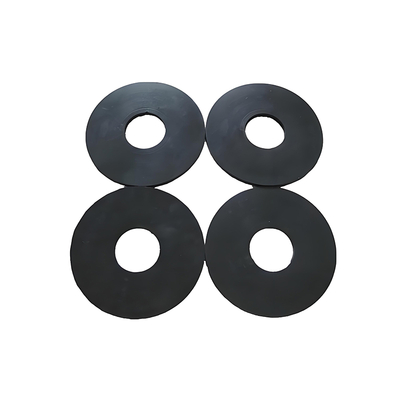
EPDM gaskets stand out for their durability and longevity, making them a preferred choice in various applications. The material is designed to withstand harsh environmental conditions, including extreme temperatures, UV radiation, and ozone exposure. This resilience ensures that EPDM gaskets maintain their integrity over time, reducing the need for frequent replacements. In industries like automotive and construction, where reliability is crucial, the longevity of EPDM gaskets translates to lower maintenance costs and enhanced operational efficiency.
For instance, in roofing applications, EPDM gaskets can last for decades without significant degradation, providing a reliable seal against water and other elements. This durability is particularly beneficial in outdoor settings, where exposure to the elements can quickly compromise lesser materials.
One of the key properties of EPDM gaskets is their high compression set resistance. This means that even after prolonged compression, EPDM gaskets return to their original shape and maintain their sealing capabilities. This characteristic is essential in applications where gaskets are subjected to constant pressure and stress.
In automotive applications, for example, EPDM gaskets are used in engine compartments where they must seal effectively against high temperatures and mechanical stress. Their ability to resist compression set ensures that they do not lose their sealing performance over time, contributing to the overall reliability of the vehicle.
Cost-effectiveness is another significant advantage of using EPDM gaskets. While the initial investment may be slightly higher than some alternatives, the long-term savings are substantial. The durability and low maintenance requirements of EPDM gaskets mean fewer replacements and repairs, ultimately reducing operational costs.
Additionally, EPDM's resistance to weathering and chemical exposure means that it performs well in a variety of environments, which minimizes the risk of costly failures. For businesses looking to optimize their budget, investing in EPDM gaskets can lead to significant savings over time.
EPDM gaskets are widely used in the automotive industry due to their excellent performance in challenging conditions. They are commonly found in seals for doors, windows, and trunks, ensuring a tight fit that prevents water and air leaks. The flexibility of EPDM allows it to maintain its sealing properties even with the expansion and contraction of automotive components caused by temperature fluctuations. Additionally, EPDM's resistance to heat and ozone makes it ideal for engine compartments, where it can withstand high temperatures without degrading.
In construction, EPDM gaskets play a crucial role in roofing applications. They are often used in waterproofing membranes that protect buildings from water infiltration. The material’s outstanding weather resistance ensures longevity, making it a reliable choice for flat and low-slope roofs. EPDM's durability against UV rays and extreme temperatures helps maintain its performance over decades, reducing maintenance costs and the need for frequent replacements. Moreover, its flexibility allows for easy installation and effective sealing around roof penetrations and joints.
EPDM gaskets are also prevalent in various industrial applications. They are used in manufacturing equipment, pumps, and valves to prevent leaks and ensure efficient operation. The material's chemical resistance allows it to handle a wide range of substances, including water, steam, and some polar chemicals, making it suitable for environments where exposure to these elements is common. EPDM gaskets can also be found in HVAC systems, where they help maintain air and fluid seals, contributing to overall system efficiency.
In summary, EPDM gaskets are versatile and reliable, making them suitable for automotive, construction, and industrial applications. Their unique properties enable them to perform effectively in diverse environments, ensuring durability and cost-effectiveness across various sectors.
When comparing EPDM gaskets to neoprene gaskets, several key differences emerge. Neoprene, known for its versatility, offers good resistance to oils and solvents, making it suitable for applications involving petroleum products. However, it doesn't match EPDM's weather resistance and UV stability. EPDM gaskets thrive in outdoor environments, enduring extreme temperatures and prolonged exposure to sunlight without degrading. In contrast, neoprene may suffer from UV damage over time, leading to brittleness and a shorter lifespan in outdoor applications. For applications requiring superior weathering capabilities, EPDM is often the more reliable choice.
Silicone gaskets are known for their excellent high-temperature resistance, often withstanding temperatures up to 500°F (260°C). This makes silicone an ideal choice for applications involving extreme heat. However, silicone gaskets generally lack the same level of weather resistance found in EPDM. While silicone can perform well in high-temperature environments, it may degrade faster when exposed to UV rays and ozone compared to EPDM. For applications where both temperature extremes and weather exposure are concerns, EPDM gaskets often provide a more balanced performance.
Natural rubber gaskets are praised for their elasticity and flexibility, making them suitable for many applications. However, they fall short in terms of environmental resistance. Natural rubber is susceptible to degradation from UV exposure, ozone, and extreme temperatures, limiting its use in outdoor or harsh environments. EPDM, on the other hand, excels in these areas, providing a longer-lasting solution for sealing needs. While natural rubber may be a cost-effective option for certain indoor applications, EPDM's durability and resistance to environmental factors make it the preferred choice for outdoor and industrial applications.
| Material | Main Strengths | Main Limitations | Best Use Scenarios |
|---|---|---|---|
| EPDM | Excellent weather resistance, strong UV and ozone resistance, good flexibility across a wide temperature range, good resistance to water and steam | Not suitable for petroleum oils, fuels, or many solvents | Outdoor sealing, roofing, automotive weather seals, water and steam applications |
| Neoprene | Good general-purpose performance, decent resistance to oils and solvents, moderate weather resistance | Weaker UV and ozone resistance than EPDM, may become brittle outdoors over time | Petroleum-related sealing, general industrial applications, indoor or semi-exposed environments |
| Silicone | Excellent high-temperature resistance, good flexibility, performs well in heat-sensitive environments | Usually less durable than EPDM in harsh outdoor exposure, lower tear strength in some uses | High-temperature sealing, electrical applications, food and medical uses |
| Natural Rubber | High elasticity, good flexibility, cost-effective for basic uses | Poor resistance to UV, ozone, and extreme weather, shorter service life outdoors | Indoor sealing, low-cost general-purpose applications, non-harsh environments |
EPDM gasket material offers impressive weather resistance, flexibility, and chemical durability. Its longevity makes it ideal for automotive, construction, and industrial applications. As industries evolve, the demand for EPDM gaskets continues to grow. Choosing the right EPDM gasket ensures optimal performance in specific environments. Lixu Rubber provides high-quality EPDM gaskets that deliver exceptional value and reliability, making them a preferred choice for various applications. Their commitment to quality ensures that customers receive durable and effective sealing solutions.
A: An EPDM gasket is a sealing component made from Ethylene Propylene Diene Monomer, known for its excellent weather resistance and durability in various applications.
A: To choose the right EPDM gasket, consider factors like temperature range, chemical exposure, and specific application needs to ensure optimal performance.
A: EPDM gaskets are preferred in automotive applications due to their flexibility, high compression set resistance, and ability to withstand extreme temperatures and ozone.
A: The benefits of using EPDM gaskets include durability, longevity, excellent weather resistance, and cost-effectiveness, leading to lower maintenance costs over time.
A: EPDM gaskets outperform neoprene gaskets in weather resistance and UV stability, making them a more reliable choice for outdoor applications.


