
Views: 0 Author: Site Editor Publish Time: 2026-08-11 Origin: Site


Specifying the wrong seal material triggers a cascade of operational disasters. You risk catastrophic leaks, unexpected downtime, severe safety hazards, and completely voided warranties. Most engineers evaluate both EPDM and NBR as highly cost-effective, general-purpose elastomers. However, you must realize their chemical compatibility profiles are fundamentally opposed. They react entirely differently to specific fluids and environmental stressors. This guide provides a rigorous, evidence-based framework for evaluating both options. We explore fluid exposure dynamics, environmental conditions, and industry compliance requirements. You will discover exactly when to deploy each elastomer in your systems. We aim to help you prevent cross-contamination failures and optimize sealing performance for long-term reliability. Let us break down the exact parameters you need to make the right engineering choice.

The Golden Rule of Fluid Compatibility: Choose NBR for petroleum, oils, and fuels; choose EPDM for water, steam, and brake fluids.
Environmental Exposure: EPDM survives indefinitely in outdoor, UV, and ozone-heavy environments where NBR will rapidly degrade and crack.
Thermal Limits: EPDM generally offers a wider operating temperature range (-45°C to 150°C) compared to standard NBR (-30°C to 120°C).
Catastrophic Risk: Cross-contamination is fatal. EPDM will rapidly swell and fail in oil; NBR will degrade in steam or automotive brake fluids.
Table of Contents
Engineers widely specify the NBR O-Ring as the industry standard for oil-resistant sealing. NBR stands for Nitrile Butadiene Rubber. It is a synthetic copolymer composed of butadiene and acrylonitrile (ACN). The actual performance of an NBR seal depends heavily on its ACN content. Manufacturers can adjust this ratio to change the physical properties of the rubber.
High ACN content significantly increases resistance to petroleum-based oils and hydrocarbon fuels. However, this increase sacrifices low-temperature flexibility. Conversely, lowering the ACN content allows the seal to remain flexible in sub-zero environments. This adjustment reduces its overall resistance to harsh oils. Buyers must communicate their specific temperature and fluid requirements to their seal manufacturer to ensure the correct blend.
An EPDM O-Ring is a specialized synthetic rubber. It features exceptional resistance to harsh weather, ozone, and water. EPDM relies on a fully saturated polymer backbone. This molecular structure prevents ozone and UV light from breaking down the chemical bonds. We see EPDM dominate applications involving outdoor exposure and high-temperature steam.
You must also understand the curing process behind EPDM. Manufacturers typically use either sulfur or peroxide to cure the rubber.
Sulfur-Cured EPDM: This method costs less and provides excellent tear resistance. It works perfectly for basic plumbing and general water applications.
Peroxide-Cured EPDM: This premium method creates much stronger carbon-to-carbon bonds. Peroxide curing grants the material superior chemical stability and higher thermal limits. Decision-stage buyers should always demand peroxide-cured EPDM for critical industrial applications.
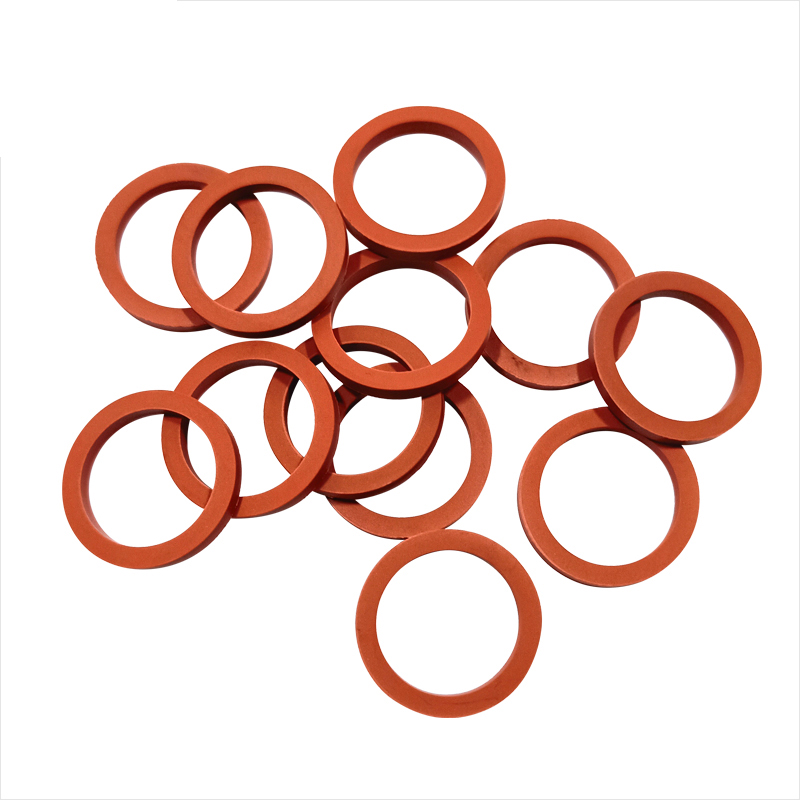
NBR dominates the sealing industry when dealing with petroleum products. The nitrile groups within the polymer chain repel non-polar oils effortlessly. You should choose NBR whenever your system transports mineral oils, aliphatic hydrocarbons, or standard petroleum fuels. It also performs exceptionally well against silicone greases and most hydraulic fluids.
Risk Warning: NBR possesses severe chemical vulnerabilities. You must never expose NBR seals to strong acids or halogenated hydrocarbons. Furthermore, automotive brake fluids will rapidly attack and dissolve standard nitrile rubber. Installing NBR in a brake line guarantees system failure.
EPDM serves as the ultimate champion for aqueous and highly polar environments. It handles hot water and high-pressure steam without losing structural integrity. EPDM also resists polar solvents like ketones, alcohols, and specific coolants. Crucially, automotive brake fluids (DOT 3, DOT 4, and DOT 5.1) require EPDM seals. The material will not degrade under the intense chemical stress of synthetic braking fluids.
Risk Warning: We enforce a strict rule regarding EPDM. You must never use it with mineral oils, petroleum-based lubricants, or hydrocarbon fuels. EPDM absorbs oil like a sponge. Exposure leads to rapid volumetric swelling. The seal will expand past its housing limits, extrude, and cause immediate catastrophic failure.
When performing a robust material comparison, temperature limits dictate long-term survival. Standard NBR operates comfortably between -30°C and 120°C. Standard EPDM pushes those limits further, operating from -45°C up to 150°C. Peroxide-cured variations can sometimes withstand intermittent spikes up to 175°C.
Continuous exposure to upper-limit temperatures accelerates a phenomenon called compression set. This occurs when the rubber permanently loses its elasticity and flattens out. While both materials suffer from heat aging, EPDM maintains its elastic memory much longer at higher heats. If your application hovers near 120°C continuously, EPDM offers a significantly safer margin of error, provided the fluids allow it.
Environmental stressors quietly destroy improperly specified seals. NBR relies on double bonds within its polymer chain. Ozone gas and UV radiation target and break these double bonds. This chemical attack causes "ozone cracking." You will see deep, brittle fissures form on NBR surfaces left outdoors or placed near high-voltage electrical equipment.
EPDM possesses a saturated backbone devoid of these vulnerable double bonds. It acts as an impenetrable barrier against ozone and UV radiation. EPDM will survive outdoors indefinitely without cracking. This immunity validates EPDM as the undisputed standard for HVAC systems, commercial roofing, and outdoor automotive weather stripping.
Static applications involve stationary parts. Dynamic applications involve moving parts like rotating shafts or reciprocating pistons. Dynamic systems demand high physical toughness. NBR typically offers slightly better abrasion and tear resistance than EPDM.
If you design a dynamic hydraulic cylinder using oil, NBR easily wins. It withstands the friction of continuous motion while resisting the fluid medium. EPDM can handle dynamic motion, but engineers prefer it primarily for static flanges, pipe joints, and valve seats where physical wear remains minimal.
Performance Metric | NBR (Nitrile) | EPDM |
|---|---|---|
Petroleum Oil Resistance | Excellent | Poor (Fails rapidly) |
Water and Steam Resistance | Fair | Excellent |
Ozone and UV Resistance | Poor (Cracks easily) | Excellent |
Operating Temperature | -30°C to 120°C | -45°C to 150°C |
Abrasion Resistance | Excellent | Good |
The automotive industry relies heavily on both materials, but strictly segregates their usage. Engineers map NBR directly to internal combustion needs. We find NBR inside fuel delivery systems, oil pumps, and engine block gaskets. The presence of hydrocarbons dictates this choice.
Conversely, engineers map EPDM to entirely different vehicle zones. EPDM handles engine cooling systems, radiator hoses, and all external weather stripping. More importantly, it forms the backbone of hydraulic braking systems. Swapping these materials in a vehicle leads to immediate and dangerous mechanical failures.
Sanitary processing demands strict regulatory compliance. Many manufacturers offer FDA-compliant and NSF-61 certified versions of both elastomers. EPDM serves as the standard for potable municipal water systems. Beverage plants use EPDM heavily because it easily survives CIP (Clean-In-Place) and SIP (Sterilize-In-Place) procedures using high-temperature steam.
NBR finds its niche in specialized food processing. When a plant processes animal fats, dairy products, or heavy vegetable oils, EPDM will swell. Food-grade NBR handles these fatty and oily substances perfectly while maintaining FDA compliance.
Process industries transport everything from wastewater to crude oil. Valve manufacturers dictate sealing materials based entirely on the transport medium. NBR dominates the oil and gas pipeline sector. It seals the butterfly valves and gate valves controlling petroleum flow. Meanwhile, municipal water treatment facilities rely exclusively on EPDM. EPDM seals the valves controlling drinking water, greywater, and chemical dosing lines.

Procurement teams appreciate that both NBR and EPDM rank as commodity elastomers. They enjoy widespread global availability. As a result, manufacturers price them quite similarly. They sit at the lower end of the pricing spectrum. They cost significantly less than premium fluoroelastomers like FKM (Viton) or perfluoroelastomers like FFKM.
Pricing fluctuations usually depend on specific compounding requirements. A highly customized, peroxide-cured EPDM will cost slightly more than a standard commercial grade. A specialized low-temp NBR blend will command a minor premium over basic Buna-N. However, base material costs rarely drive the final engineering decision.
Warehouse storage conditions greatly impact rubber viability. You must manage inventory carefully based on the material type. NBR possesses a notably shorter shelf life. Industry standards recommend storing NBR in dark, cool, and ozone-free environments. You must keep it away from direct sunlight and electric motors. Standard NBR generally lasts between 5 and 10 years in proper storage.
EPDM remains highly stable over time. Its immunity to ozone and UV light means it degrades very slowly in storage. You can safely store EPDM seals for up to 20 years without losing physical properties. This extended shelf life makes bulk purchasing much safer for maintenance departments.
You can eliminate guesswork by following a structured decision path. Use this simple four-step framework to finalize your specification.
Step 1: Identify the primary fluid medium. This remains the most critical barrier. If your system uses petroleum oil, mineral oil, or fuel, you must choose NBR. If your system uses water, steam, or automotive brake fluid, you must choose EPDM.
Step 2: Assess environmental exposure. Determine where the seal lives. If the equipment sits outdoors exposed to sunlight and weather, select EPDM. If the equipment operates indoors inside an enclosed, oil-lubricated gearbox, NBR works perfectly.
Step 3: Verify the temperature range. Map out your continuous operating temperatures. Ensure your system falls safely within the established zones. Avoid pushing standard NBR past 120°C continuously. Upgrade to EPDM if you face constant heat up to 150°C (assuming fluid compatibility aligns).
Step 4: Determine dynamic vs. static usage. Evaluate the mechanical movement. If you need a dynamic seal for a rotating shaft subject to high friction, NBR offers the physical toughness required. Use EPDM primarily for static joints or low-friction dynamic applications.
Next Steps: We advise all engineers to request Material Test Reports (MTRs) before purchasing bulk quantities. Consult directly with your seal manufacturer. They can verify specific compound grades, such as advising between a high-nitrile versus a low-nitrile NBR blend for your specific climate.
The debate between these two ubiquitous rubber compounds never reveals an objectively better material. It purely represents an application-specific engineering choice. Both elastomers deliver outstanding performance when placed in their correct environments. Your operational success relies entirely on matching the polymer chemistry to your system demands.
You must always prioritize fluid compatibility above all other performance metrics. An ozone-resistant seal means nothing if internal system oils dissolve it from the inside out. Always secure physical data sheets to confirm thermal and chemical resistance limits.
We encourage you to contact dedicated engineering support for precise compound matching. Request custom molding evaluations for unique housing designs. Order physical sample kits to conduct your own environmental testing before committing to a full production run.
A: No, you cannot rely on visual inspection. Manufacturers typically mold both materials in standard black. Laboratories use specific gravity tests or controlled burn tests to differentiate them. You must strictly enforce distinct, clearly labeled packaging in your inventory to prevent accidental mix-ups.
A: Yes, silicone-based lubricants are perfectly safe for EPDM. They will not cause the rubber to swell or degrade. However, you must avoid any petroleum-based greases or mineral oil lubricants. Petroleum products will rapidly destroy EPDM integrity.
A: If placed outdoors, the NBR seal will quickly suffer ozone cracking and split open. If placed in a high-temperature steam or automotive brake fluid system, the NBR will chemically degrade, harden, and inevitably leak.
A: Absolutely not. You can never swap them safely. They possess opposite chemical resistances. Swapping these materials without verifying fluid compatibility represents the leading cause of catastrophic seal failure in industrial systems.


