
Views: 0 Author: Site Editor Publish Time: 2026-01-16 Origin: Site


To replace a flat rubber gasket in your home appliance, follow these essential steps for a secure and effective seal. A proper gasket keeps your refrigerator running efficiently by stopping leaks and blocking unwanted airflow. You may notice signs like visible cracks, brittleness, or persistent leaks when your refrigerator gasket needs replacement. Swapping out a worn gasket can help your fridge use less energy.
Studies show improved gaskets can cut heat leakage by up to 27.49% and lower energy use by over 3%.
You can handle this repair with basic tools and a little patience.
Flat rubber gaskets play a crucial role in keeping your home appliances running smoothly. You might not notice them at first, but these small parts make a big difference in how well your refrigerator, washing machine, or dishwasher works. Let’s explore why they matter so much.
A flat rubber gasket creates a tight seal between two surfaces. This seal keeps air, water, and other substances from leaking out or getting in. When you close your refrigerator door, the gasket compresses and blocks warm air from entering. This helps your appliance maintain the right temperature and saves energy.
Here is a table that shows the main functions of flat rubber gaskets in household appliances:
Function | Description |
|---|---|
Sealing effect | Prevents leakage of gas, liquid, and other media, ensuring normal operation of equipment. |
Shock absorption | Absorbs and disperses vibrations and impacts, reducing wear and increasing equipment lifespan. |
Buffering effect | Alleviates impact forces, ensuring stability and safety of the equipment. |
Electrical insulation | Isolates electrical circuits to prevent electric shocks and sparks, enhancing safety. |
You can see that sealing is just one of several important jobs. The gasket also protects the inside of your appliance from dust, moisture, and even electrical problems.
Tip: Always check the gasket for cracks or signs of wear. A damaged seal can lead to leaks and higher energy bills.
A flat rubber gasket does more than just seal. It also absorbs vibrations and cushions impacts. When your appliance runs, it can shake or move slightly. The gasket helps absorb these movements, which keeps parts from wearing out too quickly.
Flat rubber washers compress under fasteners to create a reliable seal against leaks.
They absorb vibrations, which helps maintain the integrity of the connection.
Rubber washers cushion the contact between metal fasteners and adjoining materials, preventing scratches and wear.
By reducing vibration and impact, the gasket helps your appliance last longer and work more quietly. You get better performance and fewer repairs over time.
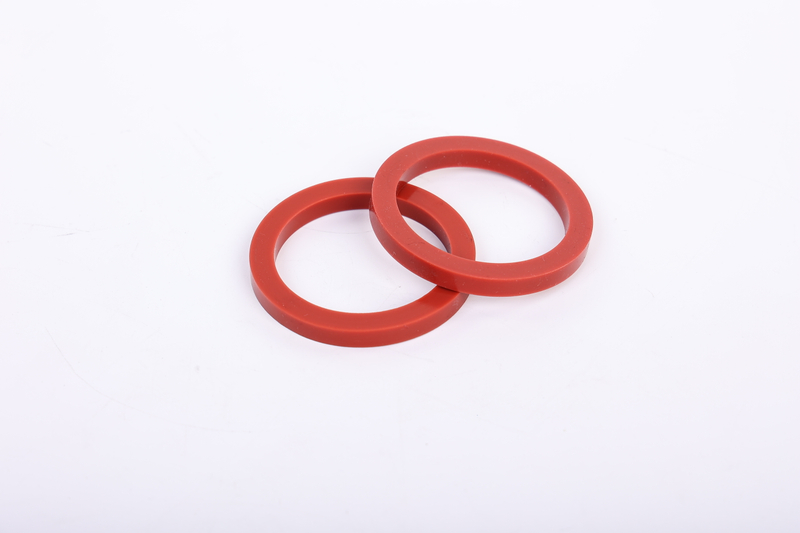
When you want your fridge to run efficiently, you need to pay attention to the condition of the refrigerator gasket. Damaged gaskets can cause problems that affect cooling and energy use. Here are the main signs your refrigerator gasket needs replacement.
You can spot a damaged rubber seal by looking for cracks, tears, or gaps along the gasket. These flaws often appear after years of use or exposure to temperature changes. Appliance repair statistics show that visible cracks or tears in the rubber gasket material are among the most common issues. Hardened or brittle seals that no longer compress properly also signal trouble. If you see any of these problems, your refrigerator may not seal tightly.
Tip: Run your finger along the gasket. If you feel rough spots, splits, or areas that seem flattened, you likely have a damaged gasket.
Here is a table that highlights what to look for and the impact of each sign:
Sign | What to Look For | Impact |
|---|---|---|
Visible Cracks or Tears | Cracks, rips, or gaps in the gasket material | Compromised seals lead to air leakage and uneven cooling |
Persistent Condensation | Moisture buildup around the door or on the gasket | Indicates warm air infiltration, leading to mold growth |
Increased Energy Bills | Noticeable rise in electricity usage | Compressor works harder, consuming more energy |
Difficulty Closing the Door | Misaligned or deformed gasket | Compromises energy efficiency and food preservation |
Temperature Fluctuations | Food spoiling faster or inconsistent temperature | Indicates improper seal by the gasket |
You may notice water pooling near the fridge or condensation forming around the door. These leaks often mean the gasket cannot keep air out. Bad seals allow warm air to enter, forcing the refrigerator to work harder. This leads to higher energy bills and temperature fluctuations inside the fridge. If you struggle to close the door or see moisture collecting, you probably have a damaged rubber seal.
Cracked, brittle, or flattened gaskets fail to create an airtight seal.
Warped door frames can prevent proper sealing.
Persistent condensation and temperature changes point to a failing gasket.
If you spot any of these signs, you should consider replacing the refrigerator gasket soon. A new gasket helps your fridge maintain a steady temperature and reduces energy costs.
Before you start replacing the rubber seal in your appliance, you need to prepare carefully. This step helps you avoid mistakes and ensures a smooth installation.
Finding the right flat rubber gasket for your refrigerator is important. You want a perfect fit to prevent leaks and keep your appliance working well. Follow these steps to identify the correct gasket:
Locate the make and model information in your owner's manual.
If you do not have the manual, check the inside edge of the refrigerator door or inside the compartments for the manufacturer's identification plate.
Search online for appliance parts suppliers or visit the manufacturer's website to find the correct replacement.
Tip: Lixu Rubber is a trusted source for high-quality flat rubber gaskets and seals. You can consult Lixu Rubber's expert team for help selecting the right gasket for your appliance.
Here is a table showing why Lixu Rubber is a reliable choice:
Property | Description |
|---|---|
Durability | Neoprene o-rings are strong and can withstand tough conditions. |
Chemical Resistance | They resist oils, fuels, ozone, and UV rays, making them suitable for various industries. |
Versatility | Used in cars, planes, and food factories, showcasing their wide application. |
Temperature Range | Effective between -35°F and 225°F, ensuring functionality in diverse environments. |
You need the right tools and materials to replace the gasket. Gather these items before you begin:
Phillips-head or flathead screwdriver
Utility knife or specialized gasket cutter
Heat gun or high-temperature hair dryer
Ruler or measuring tape
Cleaning supplies
Safety gloves
The replacement gasket
Adhesive
Screws and/or fasteners
Pen or marker
4-in-1 screwdriver
Allen wrench
Petroleum jelly
Note: Having all your tools ready makes the process faster and safer.
Safety matters when you work with appliances. Always unplug the refrigerator before you begin. Wear safety gloves to protect your hands from sharp edges. Clean the area around the door to remove dirt and debris. Make sure you have good lighting so you can see clearly.
Callout: Careful preparation helps you avoid injury and ensures your new gasket creates a tight seal.
Replacing a refrigerator door gasket starts with removing the old gasket. You need to work carefully to avoid damaging the door or frame. This step sets the foundation for a successful door seal replacement and helps your fridge maintain a tight seal.
Begin by opening the refrigerator door wide. Locate the seam where the gasket meets the door frame. Most refrigerator door gaskets attach with screws, clips, or a simple groove. Use a Phillips-head screwdriver to loosen any screws holding the gasket in place. If your model uses clips, gently pry them up with a flathead screwdriver.
Once you loosen the fasteners, grip the edge of the gasket and pull it away from the frame. Work slowly around the perimeter. If the gasket feels stuck, wiggle it gently to break the seal. Avoid tearing the gasket, as you may need to reference its shape during installation. Some refrigerators have a groove that holds the gasket in place. In this case, slide the gasket out of the groove, starting at one corner.
Tip: Take a photo of the gasket before removal. This helps you remember how the new flat rubber gasket should fit.
If you notice any resistance, check for hidden screws or adhesive. Remove all fasteners before you try to peel off the gasket completely. You may see residue or bits of rubber left behind. Remove these pieces to prepare for the next step.
After you remove the old gasket, you must clean the door frame. A clean surface ensures the new refrigerator gasket forms a tight seal and prevents leaks. Dirt, grease, and old adhesive can interfere with the installation.
Use warm water to wipe down the entire frame. Dip a soft cloth in the water and scrub gently. For stubborn spots, use a soft wire brush to remove debris without scratching the surface. Pay special attention to corners and grooves, as these areas collect the most residue.
Here is a simple cleaning checklist:
Wipe the frame with warm water and a soft cloth.
Scrub corners and grooves with a soft wire brush.
Dry the surface completely before installing the new gasket.
Note: A clean frame helps the refrigerator door seal work properly and extends the life of your repair.
If you see any leftover adhesive, use a utility knife to scrape it off carefully. Avoid gouging the metal or plastic. Once the frame looks clean and dry, you are ready to replace the refrigerator door gasket.
A clean and smooth surface makes it easier to replace the seal and ensures your fridge maintains an airtight connection. This step is essential for a successful door gasket installation and helps prevent future leaks.
Replacing the refrigerator door seal is a key step to keeping your fridge energy efficient and leak-free. When you install the new gasket, you want to make sure it fits perfectly and forms a tight seal. Follow these steps to get the best results.
A new flat rubber gasket can feel stiff or misshapen after shipping. You need to soften and shape it before you install it on your refrigerator. This helps the gasket fit snugly and prevents gaps.
Here are some effective ways to soften and shape the gasket:
Use a heat gun or a high-temperature hair dryer on a low to medium setting. Hold the heat source several inches away and move it back and forth. This makes the gasket more flexible without causing damage.
Soak the gasket in warm water for a few minutes. This increases flexibility and helps the gasket return to its original shape.
Lay the gasket flat on a clean, dry surface. Let it dry in the desired shape before you begin installation.
Tip: If the gasket still curls or does not lie flat, you can tape it down gently until it cools and holds its shape.
Proper alignment is crucial when you install the new gasket. A well-aligned gasket ensures your refrigerator door closes tightly and keeps cold air inside.
Follow these steps to align and attach the gasket:
Start at one corner of the refrigerator door. This makes it easier to line up the gasket with the door’s perimeter.
Line up the arrow-shaped connector on the gasket with the channel in the door frame.
Press the gasket firmly into the channel, working your way around the door. Apply even pressure to avoid wrinkles or gaps.
Use a ruler or measuring tape to check that the gasket sits evenly along the edge of the door.
If the gasket is too long, trim it carefully with a utility knife for a precise fit.
For stubborn spots, tap the gasket gently with a rubber mallet or smooth out bubbles with your fingers.
If the gasket does not stay flat, use painter’s tape to hold it in place until it settles.
Note: Begin installation at the corners and work your way around. This helps prevent stretching and ensures a tight fit.
After you install the new refrigerator gasket, you need to check that it forms a complete seal. A good seal keeps your fridge running efficiently and prevents leaks.
Use this checklist to confirm a proper fit:
Look at the position of the refrigerator door compared to the other door and the cabinet. The doors should line up evenly.
If the door sags or sits too high, adjust the hinges until the door aligns correctly.
Run your fingers along the edges of the gasket. Make sure there are no gaps or loose spots.
Close the door and listen for any air leaks. You should feel slight resistance when you open the door, which means the seal is tight.
Apply a thin layer of petroleum jelly along the hinge side of the gasket. This reduces drag and helps the door close smoothly.
Confirm that the gasket sits properly and forms a complete seal around the door.
If you notice any areas that do not seal, press them down again or use tape to hold them in place until the gasket settles.
Callout: A well-installed refrigerator door gasket helps your fridge maintain the right temperature and reduces energy costs. Always double-check the seal before you finish the job.
Now you have learned how to replace the seal and install the new gasket on your refrigerator. With careful attention to detail, you can keep your refrigerator running smoothly and extend the life of your appliance.
After you install the new gasket, you need to check for leaks to make sure your fridge works efficiently. Start by running your fingers along the edges of the gasket. You can feel for any gaps or spots where the gasket does not sit flat. These areas may let air escape and prevent an airtight seal. Next, close the refrigerator door and listen carefully. If you hear air moving or notice unusual sounds, the seal may not be tight enough. You should also look for moisture or condensation around the door. These signs can show that the gasket is not sealing properly.
Check for gaps by feeling along the gasket edges.
Test the seal by closing the door and listening for air leaks.
Look for moisture or condensation near the door.
If you find any problems, press the gasket down again or use tape to hold it in place until it settles. You want to inspect the gasket thoroughly to avoid future leaks.
You can use a simple paper test to check the strength of the seal. Follow these steps:
Place a piece of paper between the refrigerator door and the frame.
Close the door on the paper.
Pull the paper while the door stays closed. You should feel resistance if the seal is strong.
Repeat this test at different spots around the door to check the entire gasket.
If the paper slides out easily, the seal may not be tight enough.
This test helps you confirm that the gasket forms an airtight seal. A strong seal keeps cold air inside and helps your refrigerator run efficiently. If you notice weak spots, adjust the gasket or check for installation errors. A well-sealed fridge saves energy and keeps your food fresh.
You can keep your refrigerator running smoothly by inspecting the gasket regularly. Look for cracks, tears, or signs of brittleness. These problems often appear after months of use. Research shows that regular maintenance, including periodic checks for wear, can extend the life of EPDM gaskets by as much as 40%. You should also check the alignment and tightness of the rubber seal. A snug fit helps your fridge maintain its temperature and prevents leaks. If you notice any damage, replace the gasket before it causes bigger issues.
Tip: Set a reminder to inspect your refrigerator gasket every three months. This simple habit helps you catch problems early and avoid costly repairs.
Here is a quick checklist for routine inspection:
Inspect for damage such as cracks or tears.
Clean the seals and gaskets.
Check alignment and tightness for a secure fit.
Cleaning your flat rubber gasket keeps your fridge efficient and prevents mold or odors. You can follow these steps to clean the gasket safely:
Remove the gasket if possible. This makes cleaning easier.
Rinse the gasket under warm water to remove loose dirt.
Mix mild detergent with warm water to create a cleaning solution.
Use a soft-bristled brush to gently scrub the gasket.
Rinse thoroughly under clean, warm water to remove soap residue.
Pat dry with a clean cloth and let the gasket air-dry completely.
Note: Avoid harsh chemicals or abrasive tools. These can damage the rubber seal and shorten its lifespan.
Regular cleaning and inspection help your refrigerator work better and keep your food fresh. You can extend the life of your gasket and reduce the risk of leaks or energy loss.
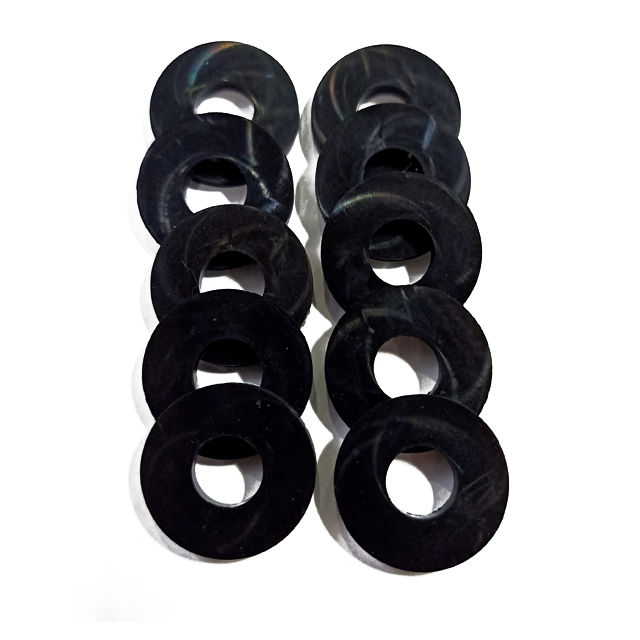
When you replace a refrigerator gasket, you might run into a few common problems. These issues can affect the seal and the performance of your fridge. Knowing what to look for helps you fix mistakes quickly.
Sometimes the gasket does not sit properly in the groove. You need to make sure it is fully seated all the way around the door.
The gasket can roll under itself when you close the door. This can cause sealing problems and let cold air escape.
If you notice the gasket rolling under, push it back into position. You can tape the door closed for a few hours to help the gasket settle and form a tight seal.
Tip: Always check the entire edge after you install the new gasket. A careful inspection helps you catch small issues before they become bigger problems.
If you see gaps or feel air leaks, adjust the gasket right away. A good door seal replacement keeps your refrigerator running efficiently and prevents energy loss.
You can handle most gasket replacements and simple fridge repairs on your own. Tasks like replacing door shelves, handles, or bins are also easy for homeowners. However, some problems need professional help.
If you have a faulty compressor, you should contact a technician.
An unresponsive control panel means you need expert repair.
If you try to fix the gasket several times and still have sealing problems, a professional can help.
Note: Do not hesitate to ask for help if you feel unsure. A skilled technician can solve complex issues and make sure your fridge works safely.
You keep your refrigerator in top shape by knowing when to call an expert. This protects your appliance and saves you time.
You can handle same-day refrigerator gasket replacement by following these steps: get the correct replacement, remove the old gasket, clean the surface, soften the new gasket, install it, check the seal, and let it settle. Proper installation prevents food spoilage and keeps your fridge efficient. Regular cleaning and careful use help extend gasket life and reduce spoilage. Most homeowners can buy a new seal and complete this repair, but you can always call a professional if your appliance needs extra care. For expert advice and reliable replacement gaskets, trust Lixu Rubber.
Step | Why It Matters |
|---|---|
Cleaning Surfaces | Prevents leaks and ensures a tight seal |
Positioning Gasket | Maintains refrigerator performance |
Inspecting Seal | Reduces risk of food spoilage |
You should check your gasket every six months. Replace it if you see cracks, tears, or if the seal feels loose. Regular inspection helps your appliance work efficiently.
No. You need a gasket that matches your refrigerator’s make and model. Using the wrong size can cause leaks and poor sealing.
You need a screwdriver, utility knife, cleaning supplies, and sometimes a hair dryer. These tools help you remove the old gasket and install the new one correctly.
Close the door on a piece of paper. If you feel resistance when you pull the paper out, the seal works. Check all sides for a tight fit.
You can contact Lixu Rubber for expert advice and reliable replacement gaskets. Their team helps you choose the right gasket for your needs.


