
Views: 0 Author: Site Editor Publish Time: 2026-08-01 Origin: Site


While an individual O-ring may cost merely a few cents, the unscheduled downtime and equipment damage caused by a compromised seal can cost thousands of dollars. Industrial leaks halt production lines rapidly. They create dangerous safety hazards. They also require expensive emergency repairs. Maximizing seal longevity is rarely about finding a "magic" chemical solution. Instead, it requires aligning material selection precisely alongside specific operating environments. You must also enforce strict installation guidelines and routine inspection protocols.
This comprehensive guide breaks down the essential evaluation criteria for identifying seal failure accurately. We will explore proven strategies for optimal operation. Finally, you will learn exactly when to transition from standard components to specialized coatings or upgraded materials to ensure maximum performance.

Material compatibility dictates lifespan: Over 50% of premature seal failures stem from chemical or thermal mismatches rather than physical wear.
Lubrication requires precision: Using the wrong lubricant (e.g., petroleum on EPDM) accelerates degradation, while over-lubricating attracts abrasive contaminants.
Rejuvenation is a risk: While DIY methods exist to temporarily swell dried rubber, industrial and critical applications strictly require replacement to mitigate catastrophic failure risks.
Storage matters: Proper O-ring maintenance begins before installation; controlling UV exposure and humidity extends shelf life significantly.
When a sealing component fails, the part itself rarely breaks the maintenance budget. The real financial impact hides deep within secondary consequences. Fluid loss ruins expensive hydraulic oils. Environmental spills require costly cleanup protocols. Mechanical downtime halts your entire production line. Maintenance teams spend hours troubleshooting simple leaks instead of performing proactive work.
You must shift your evaluation away from the initial part price. Instead, consider the broader operational expenses. These expenses include emergency labor, wasted materials, and lost production time. Framing the problem around overall operational impact helps teams prioritize better sealing strategies.
You can learn a lot from a broken seal. Mechanics often throw away damaged elastomers during repairs. They miss a highly valuable diagnostic opportunity. Examining the physical damage reveals the exact root cause of the failure. We can use specific visual indicators to understand system imbalances.
Diagnostic Chart for Common Seal Failures | ||
Failure Mode | Visual Indicator | Probable Root Cause |
|---|---|---|
Extrusion & Nibbling | Chipped or "chewed" edges on the low-pressure side. | Improper clearance gaps or sudden pressure spikes. |
Compression Set | Flattened surfaces losing their circular cross-section. | Thermal overload or incompatible elastomeric properties. |
Chemical Swell/Shrinkage | Noticeable size changes, blistering, or surface cracking. | Fundamental mismatch between the seal and the media. |
Extrusion and nibbling typically indicate mechanical issues. The gap between mating hardware might be too large. System pressure might exceed the physical limits of the rubber. Compression set suggests thermal overload. The elastomer loses its memory under excessive heat. Chemical swell highlights a fundamental mismatch. The fluid inside the system is actively attacking the rubber polymer.
A successful maintenance strategy shifts sealing operations entirely. You move away from reactive panic fixes. Instead, you adopt predictable replacement schedules based on actual operating hours. Teams can plan interventions during scheduled downtime. This proactive approach saves money and reduces workplace stress.
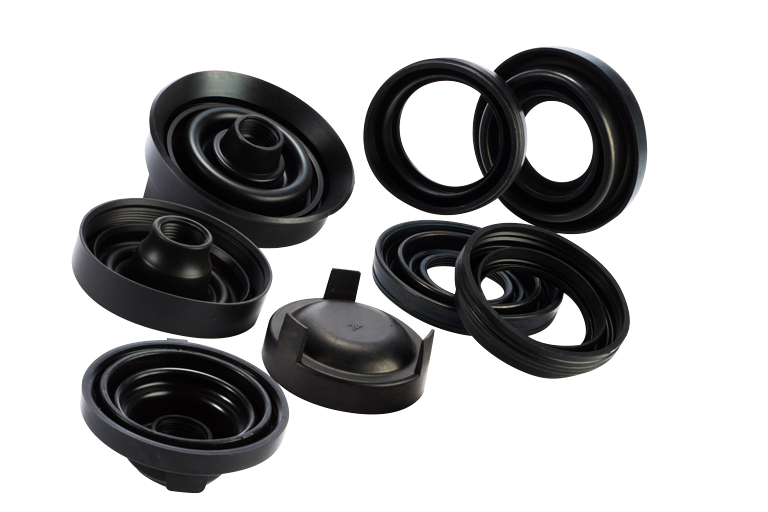
Effective O-Ring maintenance starts long before the machine turns on. Proper handling, preparation, and installation form the foundation of seal longevity. Skipping these fundamental steps guarantees premature failure.
Proper care begins before you even touch the seal. You must ensure gland hardware remains perfectly clean. Machining oils often leave invisible residues behind. Particulate matter acts like sandpaper against soft rubber. Sharp metal edges cause microscopic abrasions during the seating process.
Mechanics must wipe down all grooves using lint-free cloths. They should inspect the hardware for burrs or scratches. Even a tiny scratch on the metal can create a leak path. Cleaning the environment prevents contaminants from entering the hydraulic or pneumatic system.
Lubricants serve a vital function in seal health. They reduce installation friction significantly. This reduction prevents tearing when stretching the rubber over threads. Lubrication also protects elastomers against localized heating. Dynamic applications generate immense friction, and grease acts as a cooling barrier.
However, you must strictly follow a compatibility matrix. The critical rule is avoiding like-materials. You should never use silicone grease on silicone O-rings. The chemical similarity causes the seal to absorb the grease. This absorption leads to massive swelling and rapid destruction. Similarly, petroleum-based greases will quickly dissolve EPDM rubber.
Application technique matters just as much as chemical compatibility. A light, uniform film is required. Many technicians mistakenly pack the groove full of grease. Excessive grease creates a sticky trap for environmental abrasives. Dirt, dust, and metal shavings mix into the grease. This mixture forms a highly abrasive paste. It slowly grinds away the elastomer and damages the expensive metal hardware.
Maximizing physical durability requires optimal storage conditions. Shelf-life management is critical for operational success. You must keep elastomers far away from ozone generators. Electric motors, welding equipment, and UV lights produce invisible ozone gas. This gas causes premature cross-linking within the rubber. It destroys the polymer chains, leading to deep surface cracking.
You should store components in relaxed, unstretched states. Hanging them on pegs induces mechanical stress. Over time, this stress permanently deforms the shape. Keep them in sealed polyethylene bags. Store these bags in cool, dark, and dry environments to prevent premature aging.
Seals will eventually wear out under normal conditions. However, if your maintenance intervals feel consistently too short, a fundamental problem exists. Your operational environment has likely exceeded the baseline capabilities of your current material. You must evaluate the environmental demands objectively.
Look at your failure data closely. Are seals failing after three weeks instead of three months? High temperatures might be cooking the rubber. Aggressive chemicals might be dissolving the cross-links. When standard replacement schedules fail, you must upgrade your technology.
High-cycle dynamic seals face immense physical stress. Automated assembly lines demand rapid, repetitive movements. Standard elastomers often stick during these cycles. They also adhere to metal hardware after long static periods. This adhesion causes tearing during the next startup.
Friction-reducing coatings provide an excellent engineering solution. Manufacturers can apply PTFE (Teflon) or Parylene layers over standard rubber. These micro-coatings reduce the coefficient of friction dramatically. They eliminate sticking and tearing issues. Coatings offer a cost-effective alternative to buying entirely new material compounds for dynamic applications.
Sometimes coatings are not enough. You must escalate the core material itself. Standard Nitrile (Buna-N) works well for basic oil applications. However, introduce aggressive chemicals, and Nitrile fails quickly. You must step up to FKM (Viton) or even FFKM (Kalrez) when aggressive chemicals enter the system. These high-performance elastomers handle extreme temperatures easily.
This escalation carries a distinct risk consideration. High-performance materials cost significantly more upfront. FFKM seals can cost hundreds of dollars each. You must justify this higher upfront cost. Calculate the extended uptime accurately. If a $200 seal prevents a $10,000 shutdown, the upgrade makes perfect financial sense.
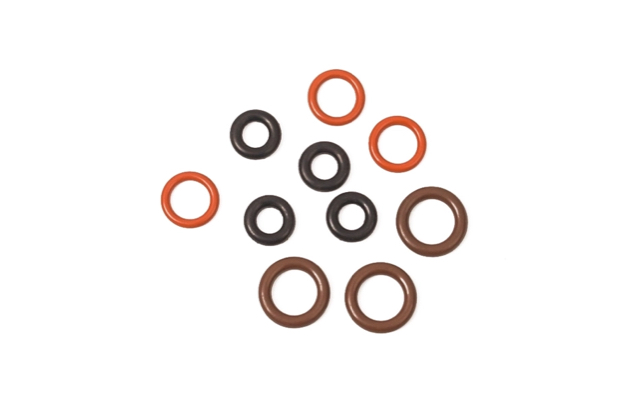
Maintenance forums often discuss chemical tricks for reviving old rubber. People want a quick fix to save time and money. You must approach these methods with extreme caution.
You will often hear about boiling dried rubber in water. Others soak components in wintergreen oil or xylene mixtures. We must acknowledge these methods do have a physical effect. They can indeed temporarily swell dried, shrunken rubber. The chemicals penetrate the porous surface. They expand the polymer chains temporarily, making the seal look functional again.
This temporary swelling masks a severe reliability risk. Chemical rejuvenation compromises the internal structural integrity of the polymer. The rubber might look plump, but its mechanical properties are ruined. Tensile strength drops dramatically. Elasticity rarely recovers to safe operational baselines. The seal becomes highly susceptible to sudden, catastrophic blowouts under pressure.
We apply a strict decision rule for rejuvenation. It is acceptable only as a temporary, emergency stopgap. You should only use it in non-critical, low-pressure systems. It serves merely as a bandage while awaiting proper replacement parts. You must never use rejuvenated seals in high-pressure hydraulics, chemical pipelines, or safety-critical machinery.
Hope is not a maintenance strategy. You need a structured, preventative approach to ensure long-term equipment reliability.
You cannot improve what you do not measure. Start by establishing clear baseline metrics. Document your historical failure rates carefully. Track operating pressures across different machines. Record the thermal cycles your equipment endures daily.
Use this data to calculate a realistic Mean Time Between Failures (MTBF) for your seals. If data shows seals fail every 1000 hours, schedule replacements at 850 hours. This proactive buffer prevents unexpected downtime.
Transition your team away from running equipment to the point of failure. Implement routine visual inspections during normal downtime. Mechanics should also perform tactile checks on accessible seals. They must physically touch the rubber. They should look for flat spotting, surface cracking, or unnatural hardening. Catching these signs early prevents major fluid leaks.
Follow this standardized logic to implement your new maintenance schedule effectively:
Audit current failure modes: Collect damaged seals for one month. Classify them using the diagnostic chart provided earlier to identify your most common failure root causes.
Cross-reference existing materials: Check your current O-ring inventory against modern chemical and thermal compatibility charts. Ensure you are not using outdated materials for new fluid types.
Standardize lubrication protocols: Remove generic greases from the shop floor. Issue specific, compatible lubricants to maintenance teams. Train them on applying light, uniform films.
Consult with a sealing engineer: If dynamic application failures persist despite proper maintenance, seek outside expertise. An engineer can calculate hardware clearances and recommend specific friction-reducing coatings.
Extending O-ring life is fundamentally an exercise in operational risk management. You cannot rely on guesswork. Achieving maximum lifespan requires correct upfront material specification. It demands diligent, controlled storage practices. You must also enforce strict lubrication compatibility rules across your entire maintenance department.
Stop treating O-rings as generic, disposable commodities. Treat them as highly engineered components. These small rings dictate the operational health, safety, and efficiency of your larger mechanical systems. Implementing these disciplined maintenance practices will dramatically reduce your downtime, save expensive fluids, and protect your most critical machinery.
A: Yes. Excess lubricant traps dirt, dust, and metal shavings from the surrounding environment. This mixture turns the grease into a highly abrasive paste. It aggressively degrades the O-ring over time. It also scores the metal hardware, creating permanent leak paths.
A: Shelf life varies heavily by material type. Standard Nitrile lasts roughly 15 years. Silicone and FKM (Viton) can have an unlimited shelf life. However, this assumes they are stored correctly. You must keep them in dark, cool, and strictly ozone-free environments.
A: Most elastomers will harden and temporarily lose their sealing capability below their rated temperature limit. However, they typically regain their original properties once returned to room temperature. This recovery happens provided they were not subjected to severe mechanical stress or impact while frozen.
A: This condition is known as "compression set." It occurs when the elastomer permanently loses its mechanical memory. High temperatures, excessive mechanical compression, or reaching the end of its natural chemical lifespan cause this flattening. Once compression set occurs, you must replace the seal immediately.


