
Views: 0 Author: Site Editor Publish Time: 2025-12-03 Origin: Site


Many FKM O rings fail long before they should. But most failures are preventable. Have you ever dealt with leaks or sudden downtime caused by a small seal? These issues often come from poor installation or missed maintenance. FKM O rings face heat, chemicals, and pressure, so they demand careful handling to last. In this post, you’ll learn simple tips to install and maintain FKM O rings, avoid damage, and keep your equipment running safely.
FKM O rings deliver strong sealing performance in harsh environments, and they rely on specific material properties to do so. They resist heat, fuels, oils, and many aggressive chemicals, so industries use them in engines, pumps, and valves. These rings maintain elasticity under stress, but they still require careful handling, otherwise their advantages fade quickly.
FKM compounds offer excellent heat resistance, often up to 200°C, and strong resistance to fuels and synthetic oils. They handle pressure changes well and keep their shape longer than many elastomers. Because of this, they perform reliably in aerospace, automotive, and industrial chemical systems.
Improper installation reduces sealing quality. Excessive stretching may introduce micro-cracks, and sharp edges can cut the ring before it enters the groove. Even small damage affects sealing pressure, so correct tools and lubrication matter during assembly.
Heat, fuels, and harsh chemicals push FKM materials to their limits. Constant exposure speeds up aging, causing stiffness or surface whitening. High temperatures accelerate compression set, while certain fluids may slowly extract plasticizers, reducing flexibility.
Poor storage, rough installation, or incompatible fluids cause noticeable damage. Swelling occurs when the compound absorbs certain oils, and hardness change often comes from repeated overheating. Cracking appears when users twist the O ring or seat it unevenly during installation, allowing stress to build in one spot.
FKM outperforms these materials in fuel systems, high-heat engines, chemical processing, and vacuum applications. It resists swelling much better than NBR in aromatic fuels. It also handles heat far better than EPDM and offers stronger chemical resistance than silicone in many solvents.
FKM struggles in environments involving steam, hot water, amines, ketones, or low-temperature elastomer demands. It loses flexibility below −20°C, so cold-weather sealing requires a different compound. Strong alkaline solutions also reduce its service life.
Application Type | Recommended FKM Grade | Key Advantage |
Fuel & oil systems | FKM B-type | Strong resistance to hydrocarbons |
Chemical processing | FKM F-type | Better acid and solvent resistance |
High-temperature operations | FKM G-type | Superior heat stability |
Vacuum sealing | Low-compression-set FKM | Maintains shape under stress |
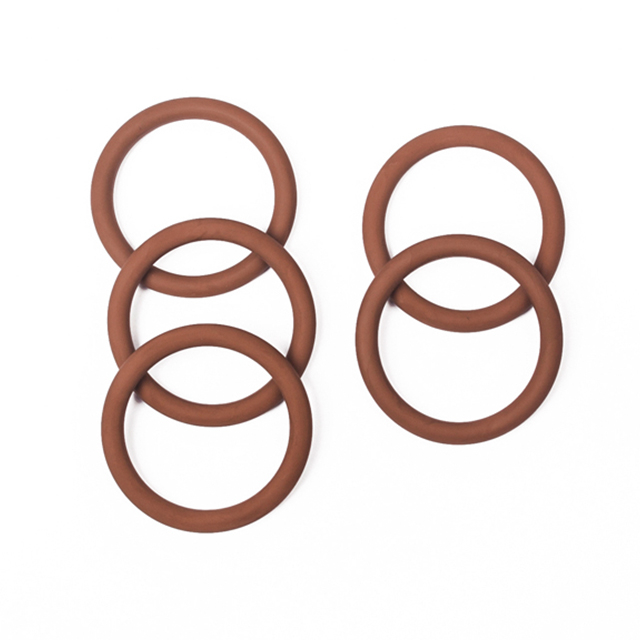
Preparing an FKM O ring before installation is one of the most important steps in achieving a reliable seal. It prevents early wear, leaks, and unnecessary downtime. A careful checklist helps technicians avoid hidden issues that can damage the ring before it ever enters the gland. Each step ensures the material stays intact as it faces heat, fuel, and chemicals during operation.
Choosing the right size protects the ring from compression problems. If an FKM O ring is too small, it may stretch beyond safe limits during installation, and that leads to early cracking. If it is too large, it will not seat evenly in the groove, which reduces sealing pressure. Technicians often cross-check the gland depth, width, and cross-section using sizing charts or digital calipers. This prevents mismatch and ensures the ring fills the groove properly.
Below is a simple reference:
Item to Verify | Why It Matters | Tools to Use |
O ring ID/OD | Ensures correct stretch | Calipers, size charts |
Cross-section | Affects squeeze load | Micrometer |
Gland width/depth | Prevents overfill | Gland drawings |
Volume ratio | Avoids excessive compression | Design specs |
Any dust, metal chips, or dirt can cut into the FKM surface during assembly. Even small particles create scratches that weaken sealing performance. Before installation, users should wipe the housing, groove, and O ring using lint-free cloths. Some equipment requires mild solvent cleaning, although we avoid anything that reacts with fluorocarbon materials. Clean surfaces allow the ring to slide smoothly into position.
FKM O rings can tear when dragged over rough metal features. Sharp edges near threads, keyways, or bores pose a high risk. Technicians often run a fingertip or cloth across these zones to detect burrs, then smooth them using fine abrasive tools or protective sleeves. If edges cannot be modified, we recommend using temporary plastic cones or protective tape so the ring glides over them without damage.
FKM compounds tolerate stretching, but only within safe limits. Excessive elongation increases internal stress and causes long-term deformation. Many technicians follow the general practice of keeping stretch below 50% of the material’s maximum capability. This allows the ring to return to its original diameter quickly. When larger assemblies require extra stretch, we pause briefly to let the ring relax before final positioning.
Lubrication reduces friction and protects the ring during installation. The lubricant must match the system fluid so it does not swell or soften the FKM material. In fuel systems, we often use hydrocarbon-safe oils. In high-temperature applications, silicone-based or PFPE lubricants work well. The key is applying a thin, even coat, since heavy lubrication collects debris. Proper lubrication also helps the ring slide into the groove without twisting.
A quick comparison table:
Lubricant Type | Best For | Notes |
Silicone grease | High temp | Avoid in some fuel systems |
PFPE | Extreme chemicals | Stable at wide temperatures |
Light hydraulic oil | Fuel/oil systems | Matches system fluids |
Dry film lubes | Clean assembly | Reduces dirt attraction |
Tip: These steps help protect the FKM material during installation, and they reduce the risk of hidden damage from stretching, friction, or debris.
Installing an FKM O ring correctly ensures it maintains a tight seal under heat, pressure, and chemical exposure. The material is strong but still vulnerable to cuts, twisting, and friction damage during assembly. Each step in the installation process protects the ring from hidden stresses that can lead to leaks or early failure. Using proper tools, stable hand movements, and controlled stretching helps the ring stay in perfect condition before entering the groove.
Stretching an FKM O ring requires slow, even movement. When two hands pull from opposite sides, the ring expands evenly, and this prevents thin spots or distortion. We avoid pulling from a single point because it creates uneven stress. If a large stretch is required, we pause briefly and allow the ring to relax so it returns close to its original shape. Twisting occurs when one side moves faster than the other, and this twist creates an internal stress line that later shows up as cracks. Smooth stretching makes installation easier and keeps the material intact.
Once the ring begins sliding toward the groove, we keep it flat and avoid any rolling motion. Rolling causes the inner surface to move forward faster, and it changes the internal stress pattern. This leads to spiraled deformation and uneven squeeze once the ring enters the gland. A small amount of compatible lubricant helps it glide smoothly. Gentle radial pressure seats it in the groove, while slight adjustments ensure it lies evenly. If the ring lifts on one side, we reposition it carefully, using fingertip pressure rather than pushing it sideways.
FKM can tear if metal tools are misused. Soft plastic picks or nylon tools help lift or guide the ring without cutting its surface. When bores have tight clearance, we use tapered sleeves to help the ring glide over openings. Chamfer aids smooth the transition into the housing, especially where the groove has sharp intersections. Metal picks are used only when absolutely necessary, and even then we use rounded tips to prevent cuts. Tools should work as guides, not prying devices.
Threads, splines, and keyways create some of the highest risk areas. Dragging an O ring across these surfaces can slice the material instantly. We protect the ring using temporary covers such as plastic cones, thin tape, or assembly sleeves. These barriers create a smooth path and eliminate contact between the ring and sharp cutting points. If covers are not available, filing or polishing burrs reduces the risk. Light lubrication also eases movement over irregular surfaces.
Below is a quick reference table for choosing protection methods:
Problem Area | Protection Method | When to Use |
Threads | Plastic sleeve or tape | For shafts and fittings |
Keyways | Tapered guide cones | For sliding installations |
Sharp edges | Chamfer tools | For bores and housings |
Tight grooves | Nylon picks | For minor adjustments |
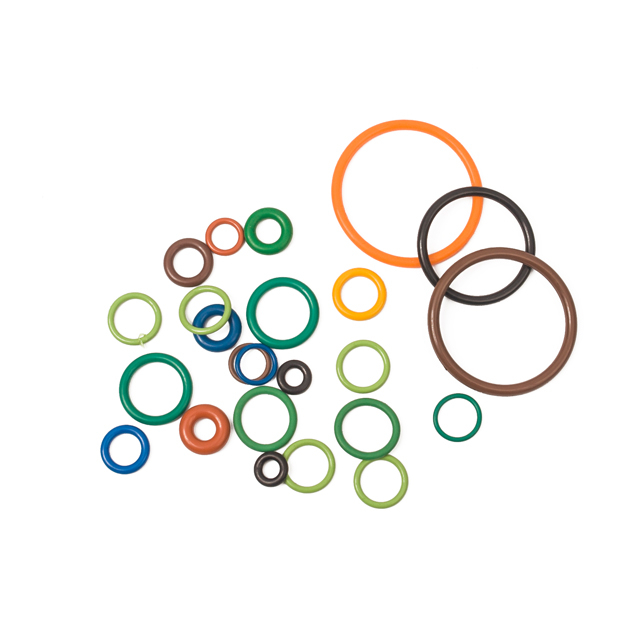
Lubrication plays a major role in protecting an FKM O ring during installation and operation. A thin, compatible lubricant film allows the ring to move smoothly into its groove, and it reduces the forces that normally cause cuts, friction burns, or pinching. Because FKM seals work in high-temperature and high-chemical environments, choosing the right lubricant helps the material stay flexible longer and prevents early wear.
When the surface is dry, an FKM O ring drags against metal parts, and the drag increases the risk of tearing. A lubricated ring glides easily, so less pressure is required to seat it. This prevents pinching around tight corners and minimizes abrasion on edges. Lubrication also helps the ring settle smoothly into the gland, creating an even stress distribution once pressure builds inside the system.
FKM compounds tolerate many lubricant types, but not every formula works for every application. Silicone grease is suitable for high-temperature installations, while PFPE lubricants handle aggressive chemicals. System-compatible oils, such as hydraulic or fuel oils, work best when the ring needs to match the operating fluid. Each option supports different performance goals.
Lubricant Type | Best Use Case | Key Advantage |
Silicone grease | High heat | Stable film at elevated temperatures |
PFPE lubricant | Harsh chemicals | Excellent chemical resistance |
System oil | Fuel or hydraulic systems | Prevents fluid incompatibility |
Too much lubricant traps dirt and debris, and this contamination scratches the rubber during compression. Excess grease may also change the swelling behavior of some FKM blends. A light coating is enough for smooth movement, and any visible pools should be wiped away. We avoid soaking the ring, since this weakens long-term sealing performance.
The best method is applying a small amount of lubricant to the fingertips, then spreading it gently around the entire ring. Rotating the ring while applying ensures full coverage, and this keeps the layer thin. For large O rings, a clean cloth can distribute the lubricant evenly. The goal is a smooth, glossy finish, not a dripping surface. A uniform film supports clean installation and reduces friction throughout early operation.
Maintaining an FKM O ring begins long before visible wear appears. The material performs well under heat, fuel, and chemical exposure, but it still ages over time. A structured maintenance routine helps prevent leaks, equipment damage, and sudden downtime. Regular checks allow technicians to catch early signs of failure before they become major problems. Each of the following steps supports stable sealing performance in demanding environments.
Inspecting FKM O rings on a schedule helps detect damage early. Small cracks often appear when the material loses elasticity, and flattening occurs after long periods under compression. Hardening is another common issue, especially when the ring faces temperatures near its upper limit. We examine each ring visually and gently press the surface to check flexibility. If the ring feels rigid or shows white stress lines, it may no longer maintain an effective seal.
Signs to watch for include:
● Surface cracking or fine fractures
● Permanent flattening at contact points
● Loss of elasticity or reduced rebound
● Discoloration or a chalky appearance
These symptoms show the ring experienced stress beyond its design limits.
FKM handles many chemicals, but certain fluids still cause swelling, softening, or erosion. When equipment operates in chemical-processing environments, we monitor fluid compatibility tables closely. Even slight contamination from cleaning agents or fuel additives may change the rubber structure over time. Technicians often record which chemicals enter the system, and they track changes in temperature or concentration. If the ring shows unexpected swelling, we check the fluid and replace the ring before it fails in service.
Clean sealing surfaces prevent dirt from embedding into the rubber. Dirt particles create scratches once pressure builds inside the system. We clean O rings gently using mild, compatible solvents or clean water, depending on the application. Any buildup inside the groove should also be removed before reassembly. Clean grooves protect the ring from abrasion during operation. A simple lint-free cloth is often enough, while harsh cleaners are avoided because they may interact badly with the material.
Even well-maintained FKM rings eventually require replacement. We replace them when cracks appear, when hardness increases, or when swelling prevents proper seating. Replacement intervals depend on the operating environment, but users often follow a preventive schedule to avoid downtime. During replacement, technicians remove the old ring without scratching the groove, then clean the area thoroughly. A new, correctly sized FKM O ring is installed using safe stretching methods and compatible lubrication.
Condition | Action | Reason |
Cracks or fractures | Replace immediately | Prevent leaks |
Significant swelling | Replace and check fluid compatibility | Chemical attack |
Hardening or stiff feel | Replace before pressure cycles | Loss of elasticity |
Flattening or compression set | Replace during routine service | Reduced sealing force |
Proper storage protects an FKM O ring long before it enters any sealing system. The material withstands heat, oils, and chemicals during operation, but it reacts negatively to poor storage conditions. Controlling temperature, light, and humidity helps preserve elasticity. Good handling habits also keep the rings free from deformation or surface stress before installation.
FKM rubber remains stable under many conditions, yet extreme environments still age the material faster. We store the rings in cool, dry areas, far from heaters or direct sunlight. UV light breaks down surface polymers and causes early cracking. Ideal temperatures usually fall between 10°C and 25°C, and humidity stays at moderate levels to avoid moisture-related surface changes. Avoid placing the rings near ozone sources such as electric motors, since ozone can attack the material.
Compression set occurs when the ring stays squeezed or flattened for long periods. To prevent this, we store the rings laying flat or loosely stacked, without placing heavy objects on top. If the rings sit in bins, the bins should be shallow enough so rings do not deform under their own weight. FKM materials keep their shape best when stored without tension, so stretching or tying them together should be avoided.
Packaging plays an important role in protecting the surface from dust, oils, and contaminants. Sealed polyethylene bags work well because they block moisture and airborne particles. When packaging large quantities, we separate the rings with clean, non-stick sheets to avoid friction marks. Anti-static bags are helpful in some environments because they reduce dust attraction. Clear labeling prevents unnecessary handling, and this reduces accidental damage.
Using a FIFO system keeps older FKM rings from sitting too long and losing elasticity. We place newly delivered rings behind older stock so technicians naturally use earlier batches first. This method reduces aging-related failures and ensures rings stay within their recommended shelf life. FIFO also makes inventory easier to track, and it helps teams avoid mixing outdated materials into new assemblies.
Proper care of FKM O rings reduces leaks and prevents downtime. Correct installation also protects equipment from stress and safety risks. Regular inspection and chemical-compatibility checks keep each ring performing well. LIXU supports these practices by offering durable products and reliable service, helping teams maintain strong sealing performance in demanding environments.
A: Use proper lubrication and avoid overstretching the FKM O ring to keep it from cracking.
A: Heat and chemical exposure slowly change the material, so inspect the FKM O ring regularly.
A: Replace the FKM O ring when you see flattening, swelling, or reduced elasticity.
A: Choose a system-compatible lubricant to reduce friction and help the FKM O ring seat properly.


