
Views: 0 Author: Site Editor Publish Time: 2026-08-15 Origin: Site


Unplanned downtime, environmental hazards, and catastrophic equipment failure are direct results of specifying the wrong chemical seal. Modern industrial systems demand highly robust material solutions. Mechanical engineers face constant pressure to prevent leakage in extreme environments. While fluorocarbon elastomers set the industry standard for aggressive conditions, generic material specifications often lead to early degradation. Engineers frequently misjudge elastomer limits under dynamic pressures and high temperatures. Fluid incompatibility destroys internal polymer structures rapidly. We provide a transparent, engineering-focused evaluation of chemical compatibility, material grade variations, and implementation limitations. You will learn how to accurately specify these complex elastomers. We aim to support your accurate material selection process. This guidance ensures long-term mechanical reliability across your most demanding engineering projects.
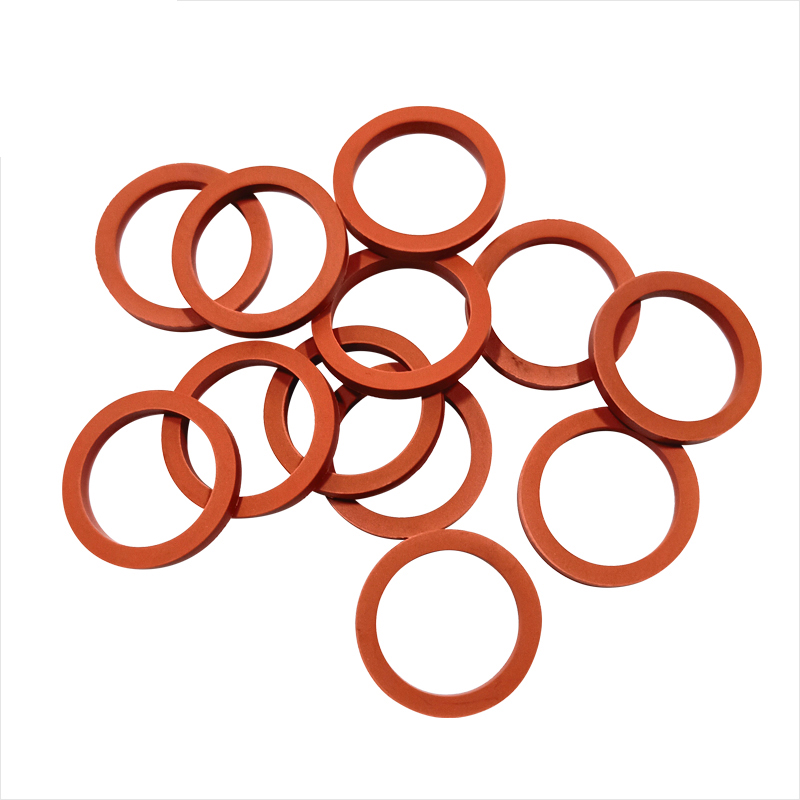
Viton O-Rings excel in environments involving petroleum oils, aliphatic/aromatic hydrocarbons, and most mineral acids, but fail rapidly when exposed to ketones or amines.
"Viton" is a brand name for FKM; however, performance varies drastically across specific grades (A, B, F, GFLT, ETP) based on fluorine content and curing methods.
Evaluating a chemical seal requires analyzing the intersection of chemical exposure, extreme temperatures, and mechanical pressure—not just consulting a static compatibility chart.
Defining success criteria is critical for any high-performance sealing application. You must meticulously measure acceptable volume swell, tensile strength retention, and compression set. These metrics dictate how well an elastomer performs in aggressive media over time. We look for materials retaining their mechanical integrity under severe operational stress. Elastomers must resist hardening, embrittlement, and excessive softening. Material engineers establish strict baseline limits for fluid compatibility testing. Laboratory results must mirror real-world industrial exposure.
Volume swell remains the most visible indicator of fluid incompatibility. Aggressive chemicals penetrate the polymer matrix. They force the molecular chains apart. This internal expansion drastically reduces overall material density. Tensile strength drops immediately following severe swelling. Once tensile strength drops, mechanical pressure causes physical tearing. Compression set resistance also degrades during chemical attack. The seal loses its inherent ability to push back against metal hardware surfaces. Leak paths form quickly once elastomeric memory fades.
The FKM O-Ring offers unmatched durability across several harsh chemical families. Fluorinated polymer chains inherently resist chemical breakdown. The strong carbon-fluorine bonds require immense energy to disrupt. This molecular stability provides excellent resistance to oxidation and thermal degradation. It dominates applications across the automotive, aerospace, and petrochemical sectors. Industry standards heavily rely on these base strengths.
Aliphatic and aromatic hydrocarbons, including harsh solvents like toluene and benzene.
Petroleum-based oils, traditional motor fuels, and standard industrial lubricants.
Halogenated hydrocarbons, silicone oils, and highly concentrated dilute acids.
Applications demanding strong resistance to atmospheric ozone and prolonged UV exposure.
Fluorocarbon elastomers possess distinct chemical blind spots. Polar solvents attack the polymer structure aggressively. These specific chemicals bypass the protective fluorinated shield. They interact directly and destructively at the molecular level. You must completely avoid using standard fluorocarbons in these specific operational environments. Recognizing these vulnerabilities prevents catastrophic system failures.
Ketones, such as MEK and acetone, along with low molecular weight esters.
Amines, hot hydrofluoric acid, and highly corrosive chlorosulfonic acid.
Skydrol aviation hydraulic fluids and standard automotive brake fluids.
Superheated steam systems exceeding standard thermal thresholds.
Material science relies on verifiable data over assumed performance. Volume swell exceeding 15% to 20% indicates entirely unsuitable chemical compatibility. Severe swelling fundamentally compromises the structural matrix. This rapid expansion leads directly to extrusion. Extrusion pushes the soft material into small hardware clearance gaps. The hardware then shears the elastomer apart under cyclic pressure. Always verify laboratory volume swell limits before finalizing your material choices. Testing prevents theoretical assumptions from causing physical disasters.

Engineers must differentiate solutions by fluorine content and curing mechanisms. Fluorine levels typically range from 66% to 73.5%. The curing process relies on either bisphenol or peroxide systems. These compounding factors directly dictate final chemical resistance. Higher fluorine content naturally increases resistance to aggressive fluids. However, increased fluorination often reduces low-temperature flexibility. We must balance chemical resistance against mechanical temperature demands.
This standard grade contains roughly 66% fluorine. Manufacturers utilize a standard bisphenol curing process during production. You will find it ideal for general automotive applications. It performs exceptionally well in basic petroleum sealing environments. Aerospace sectors use it for standard engine lubricants. The bisphenol cure provides excellent compression set resistance. It remains the most widely deployed fluoroelastomer worldwide. It handles standard industrial demands effortlessly.
Viton B provides approximately 68% fluorine. Viton F increases this saturation to 70% fluorine. Both grades offer drastically improved resistance to acidic environments. They handle heavily oxygenated fuels effectively. Chemical processing plants heavily rely on these high-fluorine options. The extra fluorine shields the polymer backbone from chemical attack. Permeation rates drop significantly compared to standard grades. Use these compounds when handling concentrated acids or aggressive biofuels.
Extreme cold requires highly specialized elastomer compounds. Manufacturers utilize peroxide curing for these specific grades. The GLT family modifies the polymer structure structurally. This structural change maintains flexibility during severe temperature drops. It combines specialized chemical resistance alongside exceptional cold-flexibility. They maintain reliable sealing forces at temperatures where standard grades become dangerously brittle. Arctic oil drilling operations frequently mandate these specific peroxide-cured variations.
Standard elastomers often degrade quickly around strong caustic solutions. Viton Extreme offers a highly base-resistant proprietary polymer structure. It resists harsh amines and aggressive caustic washes effectively. This unique chemistry bridges the gap between standard fluorocarbons and pure perfluoroelastomers. It provides extreme chemical resistance without sacrificing dynamic mechanical properties. Pharmaceutical manufacturing and agricultural chemical handling represent ideal deployment scenarios. It thrives where traditional compounds dissolve rapidly.
Review the comprehensive property variations below.
Elastomer Grade | Fluorine Content | Primary Curing Method | Primary Engineering Advantage |
|---|---|---|---|
Standard Grade A | 66% | Bisphenol | General petroleum and lubricant resistance |
High-Fluorine B / F | 68% - 70% | Bisphenol | Aggressive acid and oxygenated fuel resistance |
Low-Temp GFLT | Approx. 67% | Peroxide | Cold flexibility combined against harsh chemicals |
Extreme ETP | Proprietary Blend | Peroxide | Harsh amine and extreme caustic resistance |
Shortlisting logic requires framing your engineering decision around three core factors. You must analyze specific chemical environment limits carefully. Expected operational temperature ranges dictate your baseline material category. Finally, mechanical pressure demands over time eliminate unsuitable candidates. No single material solves every sealing challenge. We evaluate competing elastomers by comparing their physical limitations against system requirements.
Define the continuous operational temperature range and peak thermal spikes.
Identify all primary fluids, cleaning solvents, and trace chemical contaminants.
Calculate hardware clearance gaps and maximum system operating pressures.

NBR provides a highly functional solution for standard oil applications. It handles basic hydraulic fluids exceptionally well. However, NBR degrades rapidly under high heat conditions. It also fails completely under continuous UV or atmospheric ozone exposure. The polymer backbone cracks when exposed to weathering. You must upgrade to a Viton O-Ring for temperatures exceeding 120°C (250°F). You also need this critical upgrade when handling aggressive aromatic fuels. Nitrile simply lacks the molecular stability required for extreme thermal environments.
EPDM handles hot water and high-pressure steam perfectly. It is also completely mandatory for polar solvents like ketones and Skydrol. Standard fluoroelastomers swell massively in these exact scenarios. EPDM features a polymer structure immune to these specific polar chemicals. Conversely, EPDM immediately breaks down in petroleum oils. It dissolves rapidly when exposed to standard automotive lubricants. Fluorocarbons easily excel in those same petroleum environments. You must draw a strict line between petroleum-based media and polar solvents.
PTFE offers near-universal chemical resistance across the entire industrial spectrum. It survives chemicals capable of destroying almost any rubber. Yet, PTFE completely lacks natural elastomeric memory. It cannot reliably recover from heavy mechanical compression set. Elastomers provide necessary dynamic sealing forces through continuous push-back. PTFE often suffers from physical cold-flow under constant pressure. It slowly deforms permanently inside the hardware gland. Use elastomers whenever your design demands dynamic memory and continuous physical resilience.
Chemical compatibility charts often assume standard room temperature around 21°C (70°F). The temperature-chemical multiplier effect changes everything dynamically. Aggressive media become significantly more destructive at elevated heat levels. Heat acts as a powerful catalyst for chemical reactions. Fluoroelastomers reach their upper continuous operating limits near 204°C (400°F). Fluids reacting mildly at room temperature might destroy the same compound entirely at peak heat. Engineers frequently overlook this critical multiplier effect.
High-pressure gas applications introduce another severe operational risk. The oil and gas sector frequently deals with explosive decompression. Gases permeate the polymer structure at high pressures over time. Rapid pressure drops cause these trapped gases to expand instantly. This instantaneous expansion creates massive internal blistering. It quickly tears the polymer structure apart from the inside out. Standard grades cannot survive these sudden depressurization cycles. Engineers must specify dedicated explosive-decompression-resistant compounding for these precise environments. High cross-link density prevents internal cavity formation during pressure drops.
Supply chain integrity presents a major challenge globally. You must recognize the difference between genuine materials and off-spec imports. Counterfeit parts plague the global mechanical components market. They look identical visually but fail unexpectedly in the field. Poorly mixed compounds lack the consistent molecular density required for harsh environments. Always verify official material certificates carefully. Request strict batch traceability back to the original polymer manufacturer. This strict verification ensures full regulatory compliance. It actively prevents catastrophic hardware failures caused by inferior compounding practices.
These specific fluoroelastomers are not universal solutions. They represent a highly targeted polymer family built for aggressive petroleum and high-heat environments. Successful engineering specification relies on matching the specific material grade to your exact chemical family. You must also account for the precise thermal environment and dynamic pressure cycles. Recognizing material limitations proves just as vital as understanding core strengths.
We strongly recommend engineers consult specific manufacturer material data sheets directly. Request sample testing in the actual application fluid before committing to bulk component procurement. Never assume generic chart data replaces real-world dynamic testing. Chemical interactions vary wildly based on concentration, pressure, and operational heat. Direct your procurement teams to contact technical sales engineers for custom compounding guidance. Specialized applications often require bespoke polymer blends.
Follow these essential action-oriented next steps:
Cross-reference specific chemical exposures against exact elastomeric grade charts.
Account for peak system temperatures to avoid dangerous multiplier-effect degradation.
Demand fully traceable material certificates to avoid severe counterfeit vulnerabilities.
Test physical sample seals within actual operational fluids before full production rollouts.
Evaluate hardware gland design to ensure adequate volume expansion allowances.
A: FKM serves as the overarching ASTM international designation representing the entire fluoroelastomer family. Viton represents a specific registered trademark owned exclusively by Chemours. Therefore, all Viton products are classified technically as FKM, but not all FKM products use genuine Viton polymers. Base performance can vary significantly between different raw polymer brands.
A: Yes, it shows excellent compatibility with traditional gasoline and standard diesel fuels. However, modern commercial biofuels or heavily oxygenated fuel blends often require specialized compounds. High-fluorine grades like Viton F provide the highest reliability for these modern aggressive fuel mixtures.
A: No. We strongly warn against using standard fluoroelastomers in any ketone environment. Acetone and MEK cause rapid, extreme volumetric swelling. This chemical reaction completely degrades the internal polymer structure, leading to immediate hardware leakage and failure. EPDM is typically recommended instead.
A: The standard continuous operating limit ranges strictly from 200°C (392°F) to 204°C (400°F). Short-term spikes slightly above this remain occasionally possible. However, introducing aggressive chemicals significantly lowers this practical thermal threshold. Always test the specific compound under combined heat and chemical exposure.


