
Views: 0 Author: Site Editor Publish Time: 2025-12-02 Origin: Site


Many seals fail when exposed to heat, oil, or harsh chemicals. So what makes an FKM O ring different? Why do engineers rely on it? This guide explains what an FKM O ring is, why it matters, and where it's used. You'll learn how its heat, chemical resistance, and long lifespan make it a trusted sealing choice.
An FKM O ring is a sealing ring made from fluoroelastomer, a high-performance rubber created for harsh environments. It resists heat, chemicals, oils, and fuels, so engineers use it when other materials fail. People often know it by the brand name Viton®, which represents one of the most recognized forms of FKM. This elastomer offers a dense, stable structure, and it performs reliably in demanding industrial systems.
FKM contains fluorinated hydrocarbons, and these fluorine atoms give it exceptional stability. They bond tightly to carbon, creating a strong, chemically resistant network. It helps the material stand firm in oils, fuels, acids, or industrial solvents. Standard elastomers cannot maintain strength in these environments, so FKM becomes the preferred choice in systems where contact with aggressive fluids is unavoidable.
Its physical properties support consistent sealing. Most FKM O rings operate from -15°F to 400°F, though special blends extend this range. Hardness varies widely, usually between 55 and 95 Shore A, and this range lets teams match the ring to different pressures or groove requirements. FKM keeps good elasticity, solid tensile strength, and a low compression set, so it stays in place under continuous stress.
Below is a quick reference chart for common performance traits:
Property | Typical Range | Notes |
Temperature | -15°F to 400°F | Extended blends available |
Hardness | 55–95 Shore A | 75 Shore A most common |
Compression Set | Low | Supports long-term sealing |
Tensile Strength | High | Suitable for dynamic systems |
Many seals break down when soaked in oils, fuels, or chemicals, but FKM is built for these situations. It tolerates contact with gasoline, diesel, hydraulic oils, lubricants, or many acids. It also survives industrial solvents that quickly attack NBR or EPDM. These traits make it indispensable in fuel systems, chemical lines, or hydraulic equipment.
FKM O rings also perform well in outdoor or high-temperature settings. They resist UV radiation, ozone, and long-term weathering. The material stays stable even after years of exposure, so users often pick FKM for hot engine compartments, chemical plants, or aerospace systems. It avoids cracking, fading, or stiffening, which protects equipment from unexpected seal failures.
Despite its strength, FKM is not universal. It reacts poorly to certain polar solvents, ketones, amines, glycol-based brake fluids, or superheated steam. These fluids cause swelling or softening, so engineers must choose an alternative material in these cases. Understanding these limits ensures proper material selection and prevents early degradation.
Manufacturers offer several grades to meet different application needs. General-purpose FKMs are ideal for mixed chemical and high-heat exposure. High-temperature grades extend the upper thermal limit, while low-temperature grades improve flexibility in colder climates. Food-grade FKMs serve processing or pharmaceutical systems and follow strict regulatory standards. Choosing the correct grade ensures the O ring performs reliably under specific mechanical, chemical, and temperature conditions.
FKM O rings stand out because they handle heat, chemicals, and pressure better than many common elastomers. It offers a balanced mix of durability and resistance, so engineers compare it often against materials like NBR, EPDM, and Silicone. Each material behaves differently in oils, fuels, or extreme temperatures, and this makes the comparison important when choosing the right seal.
NBR works well in general industrial settings, but it struggles when exposed to aggressive solvents or high heat. FKM stays stable in oils, fuels, and many chemicals, while NBR softens or swells faster. Temperature tolerance also differs greatly. FKM typically handles up to 400°F, and NBR usually stops near 212°F. Elasticity is usable in both, yet FKM keeps shape longer under pressure. NBR costs less, so buyers use it in basic systems, but FKM delivers longer service life in harsh environments.
Here is a quick comparison table:
Feature | FKM | NBR |
Heat Resistance | Excellent | Moderate |
Chemical Resistance | High | Limited |
Elasticity | Strong | Good |
Cost | Higher | Lower |
EPDM performs well in steam, water, and outdoor weather, but it cannot survive oils or fuels. FKM resists these fluids easily, which makes it the correct choice for fuel lines or engine systems. EPDM becomes a better option only when cold flexibility or water resistance is more important. It also fits low-cost sealing needs where chemical exposure is minimal.
Silicone offers great flexibility at low temperatures and can seal well in medical or food applications. It fails quickly in oils or fuels, and it absorbs many hydrocarbons. FKM handles these fluids, and it resists much higher temperatures. Silicone stays soft in cold climates, but it cannot match FKM in chemical resistance or mechanical strength.
Many teams switch to FKM because it lowers long-term maintenance costs. It lasts longer under heat or chemical exposure, and it reduces safety risks caused by seal failures. They also choose it to avoid repeated shutdowns, leaks, or part replacements. This makes FKM a practical upgrade when reliability becomes a priority.
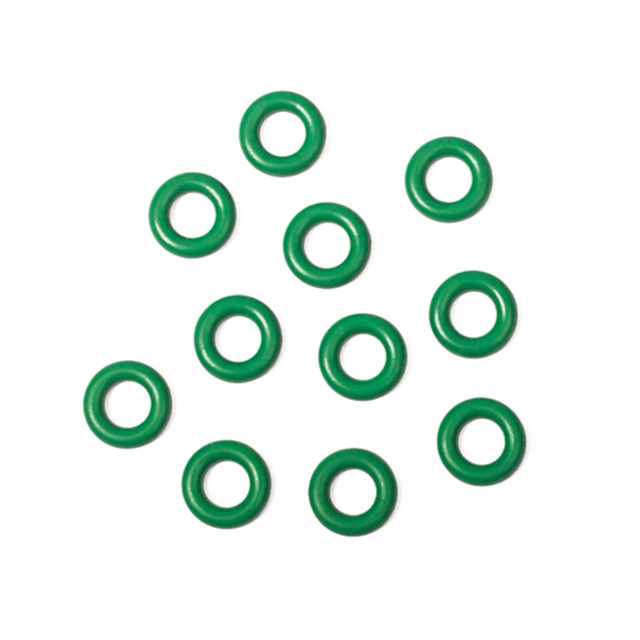
FKM O rings play a major role in industries that face heat, fuels, and aggressive chemicals. They stay stable under stress, so engineers use them when a normal seal cannot survive long. The material handles oils, solvents, and extreme temperature swings, and this makes it dependable in demanding environments across many sectors.
Automotive systems expose seals to fuels, methanol blends, engine oils, and high heat. FKM O rings work inside fuel injectors, sensors, quick connectors, turbochargers, and exhaust-related components. It resists swelling or softening caused by oils, so it protects systems that run under constant thermal cycling. Vehicles rely on these seals to prevent leakage in fuel rails or cooling circuits, and FKM maintains its strength even after long-term use.
Aircraft operate under heavy pressure and extreme temperature ranges, so the sealing demands are strict. FKM O rings support engine assemblies, hydraulic circuits, fuel handling systems, and high-pressure pumps. They offer low gas permeability, which keeps fuel systems stable. It also resists jet fuel, synthetic oils, and high heat, so equipment performs reliably over long service intervals in both commercial and military aircraft.
Chemical plants require seals capable of resisting corrosive media. FKM O rings handle acids, solvents, and aggressive fluids that quickly break down ordinary elastomers. They are used in pumps, valves, mixers, and pipelines where stability prevents leaks. Many processes involve heat or continuous chemical exposure, and FKM provides dependable sealing to protect workers, equipment, and the overall system.
The oil and gas sector exposes materials to hydrocarbons, acids, and caustic chemicals. FKM seals appear in drilling heads, downhole tools, compressors, and refinery systems. It performs well when the environment includes high pressure or high temperatures. The material resists sour gas and various fuels, so operators use it to reduce failures during extraction or transport.
High-speed machinery and hydraulic systems generate friction, pressure, and heat. FKM O rings keep their elasticity, and it resists compression set under constant load. They fit inside pumps, gearboxes, cylinders, and rotating shafts. Many dynamic applications rely on FKM because it handles mechanical stress better than many alternatives. The material prevents wear from oil exposure, which helps equipment run smoothly.
Some FKM grades use peroxide curing, and they meet strict FDA or USP requirements for cleanliness. These variants work in processing equipment, valves, and pumps where sanitation is critical. They resist cleaning chemicals, steam cycles, and temperature changes. It keeps sealing surfaces clean, which protects product purity and supports compliance in regulated facilities.
Marine systems use FKM because it resists saltwater, heat, and weathering. Boats and offshore platforms depend on stable seals in fuel handling and hydraulic controls. Semiconductor manufacturing also benefits from FKM O rings, especially in processes that require low outgassing or high chemical purity. It performs well in vacuum chambers and chemical delivery systems, where contamination cannot be allowed.
Below is a quick overview of typical applications:
Industry | Key Uses | FKM Advantage |
Automotive | Fuel systems, sensors, turbo seals | Fuel and heat resistance |
Aerospace | Engines, hydraulics, fuel lines | Low permeability, high reliability |
Chemical Processing | Pumps, valves, pipelines | Strong chemical resistance |
Oil & Gas | Drilling tools, refinery units | Hydrocarbon and acid resistance |
Industrial Machinery | Pumps, cylinders, gearboxes | Dynamic sealing performance |
Food & Pharma | Valves, mixing systems | FDA/USP-compatible grades |
Marine & Semiconductor | Saltwater systems, vacuum tools | Weather stability, low outgassing |
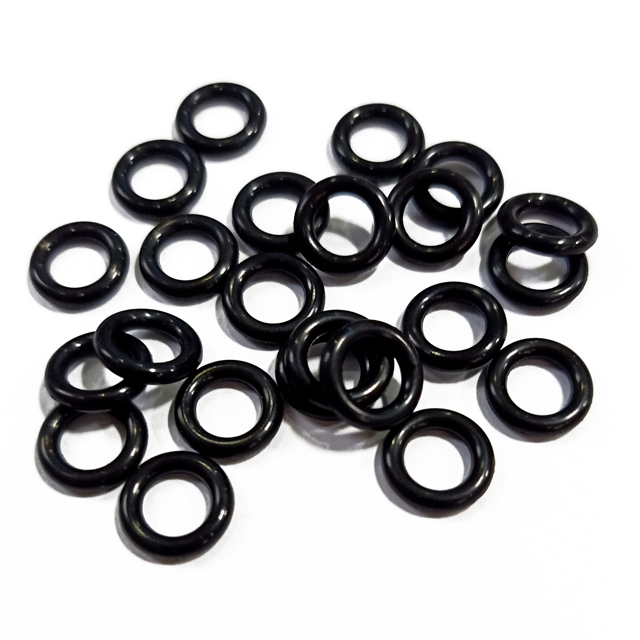
FKM O rings deliver strong performance in environments where heat, chemicals, and pressure push most seals past their limits. They keep their shape longer, resist harsh fluids, and support stable operation across many industries. These advantages help equipment run safely, and they reduce extra maintenance costs for teams that rely on dependable sealing.
Many systems expose seals to temperatures far above what standard elastomers can tolerate. FKM O rings manage these conditions, and they remain stable up to 200–230°C depending on the grade. They do not soften easily, and they resist cracking after repeated temperature swings. It helps equipment continue working in engines, reactors, or high-heat industrial machines.
FKM handles chemicals that cause other materials to swell, break down, or peel apart. It works in fuels, oils, acids, and many solvents used in automotive, aerospace, and chemical plants. These fluids attack softer elastomers quickly. FKM maintains its surface and elasticity, so it protects systems that rely on tight, long-lasting sealing under constant chemical exposure.
Long-term reliability matters when equipment runs daily. FKM O rings show low compression set, excellent aging resistance, and good mechanical strength. They keep their original shape for long periods, even under steady pressure or vibration. It also helps reduce the risk of leakage as equipment ages. Many industries choose FKM because it avoids hardening or cracking, issues that often appear in cheaper materials after months of use.
The durability of FKM directly reduces downtime. A common example appears in fuel-handling systems. When a standard seal meets hot fuel or aggressive additives, it swells and loses strength. This forces early replacement or causes leaks that shut down machines. FKM rings survive these elements, and they last longer. It allows maintenance teams to schedule repairs less often, while also preventing unplanned failures that cost time and money.
Below is a quick summary table:
Advantage | Why It Matters | Typical Impact |
Heat Stability | Survives up to 230°C | Fewer heat-related failures |
Chemical Resistance | Handles fuels, oils, acids | Protects sealing surfaces |
Reliability | Low compression set | Longer service life |
Downtime Reduction | Avoids early failure | Lower maintenance costs |
FKM O rings perform best when they are installed carefully and maintained properly. Each step affects how long the seal lasts, and it helps prevent leaks in systems that operate under heat, chemicals, or pressure. Good handling also keeps the material from tearing or aging too quickly.
The right lubricant makes installation smoother and reduces friction during operation. Silicone grease works well in high-temperature systems, and PFPE lubricants support clean or chemical-heavy environments. PTFE spray offers a dry, clean option for assemblies that cannot use oils. Each lubricant helps the O ring seat correctly, and it protects the surface during startup.
FKM O rings must be installed gently to maintain their sealing performance. Avoid twisting, stretching too far, or pulling the ring over sharp edges. It should slide into position without force. Once placed, check that it fits the groove evenly, and ensure the contact surfaces remain clean. A smooth, uniform fit prevents leaks when pressure builds.
Correct storage preserves elasticity. Keep FKM O rings in cool, dry areas away from direct sunlight. UV exposure accelerates aging, and heat may cause premature hardening. Avoid storing them near strong oxidizers or chemicals that attack rubber. Leave the rings in sealed packaging until needed, so dust and moisture do not reach them.
Regular inspection helps detect early failure. Look for swelling caused by chemical attack, or hardening that reduces flexibility. Deformation, flattening, and cracks also indicate the material can no longer maintain a proper seal. If these issues appear, the O ring should be replaced immediately to protect equipment from leaks or pressure loss.
Tip: If a seal changes color, expands, or loses elasticity, it is often reacting to the surrounding fluid and should be checked.
An FKM O ring offers stronger heat and chemical resistance than standard elastomers. It performs well in automotive, aerospace, chemical, and industrial systems. Its durability makes it ideal for demanding applications, not just low cost. LIXU provides high-quality sealing solutions that help improve reliability and support long-term equipment performance.
A: An FKM O ring is used in fuel, chemical, and high-temperature systems because it resists heat and aggressive fluids.
A: An FKM O ring offers better chemical and heat resistance, so it lasts longer in harsh environments.
A: Choose an FKM O ring when your system handles fuels, oils, solvents, or temperatures above normal NBR limits.
A: An FKM O ring may fail when exposed to incompatible fluids like ketones or amines, which cause swelling or softening.


