
Views: 0 Author: Site Editor Publish Time: 2025-12-11 Origin: Site


Choosing the wrong O-ring can lead to leaks, failures, and costly downtime. Many teams struggle to decide when a Silicone O Ring is the better choice, and when materials like NBR, EPDM, or FKM perform better. In this post, you’ll learn how silicone compares to these common options and how to select the right material for your application.
Silicone O-rings deliver performance advantages that many other elastomers cannot match, especially in environments where temperature swings or outdoor exposure create sealing challenges. They remain stable in conditions that push materials like NBR or EPDM beyond their limits, making silicone a strong option for demanding static applications. The material stays flexible when cold, handles heat well, and resists sunlight and ozone, so it performs reliably in many aerospace, automotive, and electronics settings.
Silicone works across an extremely wide temperature range, from –50°C to +230°C, and it stays flexible when most rubbers harden or lose shape. It handles rapid temperature shifts without cracking, which makes it useful in high-altitude aerospace parts, under-hood automotive components, and exposed outdoor devices. The range supports sensors, lighting systems, and enclosures that must survive heat or freezing climates.
Silicone maintains elasticity in cold environments, so it stays soft while NBR or EPDM stiffen. This reduces compression set, meaning the seal returns to its original shape after being squeezed. It improves long-term sealing in refrigeration units, outdoor equipment, and instruments that face constant temperature drops. The material’s resilience helps prevent leaks caused by shrinkage or rigid surfaces.
Silicone O-rings tolerate harsh sunlight, ozone, and long-term outdoor exposure. They resist cracking and aging better than NBR or Neoprene, and this durability supports use in outdoor lighting, solar systems, electrical cabinets, and rooftop HVAC equipment. It protects seals from fading or brittle breakdown, even after years of environmental stress.
Silicone tears more easily than EPDM, NBR, or Viton, which limits its performance in dynamic systems. It is not suitable for pumps, pistons, valves, or sliding seals because friction can damage the surface. Abrasion can cause early seal failure, so silicone should stay in static environments where movement and pressure cycling stay minimal.
Silicone swells when exposed to oils, fuels, or aggressive solvents. This is why nitrile and Viton outperform silicone in chemical-heavy or petroleum-based systems. They remain stable in automotive fuel lines, industrial hydraulic systems, or chemical pumps, where silicone cannot hold shape. The material’s limited resistance makes it a poor match for oil-handling equipment.
Silicone is available in FDA, USP Class VI, and food-grade formulations. It suits potable-water systems, medical devices, and sanitary processing equipment where purity matters more than mechanical strength. These regulatory approvals make silicone a top choice in beverage dispensing, lab instruments, and medical tubing where safety and cleanliness are critical.
Silicone costs more than NBR or EPDM, but it stays cheaper than high-end materials like FKM or FFKM. It offers strong value when used in high-temperature or static outdoor sealing. The balance between performance and price makes silicone efficient for situations that do not require chemical resistance but demand heat stability or environmental durability.
Property / Factor | Silicone O Ring | NBR | EPDM | FKM/Viton |
Temperature Range | –50°C to +230°C | Moderate | Good | High |
Oil/Fuel Resistance | Poor | Excellent | Poor | Excellent |
Weather/Ozone/UV | Excellent | Fair | Excellent | Good |
Tear/Abrasion Strength | Low | Good | Good | High |
Best Application Type | Static, high-temp, outdoor | Oil systems | Outdoor water/steam | Chemicals, fuels |
Cost Level | Medium | Low | Low | High |
Silicone and NBR serve very different purposes, and teams often compare them because both appear in similar industries. They may look alike, yet the materials behave differently under oil exposure, heat, and mechanical stress. NBR performs well in fuel-heavy environments, while silicone survives extreme temperatures. Each material solves a separate sealing challenge, so choosing correctly prevents leaks, swelling, and unexpected downtime.
NBR stays stable around oils, fuels, and many petroleum-based fluids, and it handles long-term chemical exposure that would quickly damage silicone. It keeps its shape when surrounded by lubricants or gasoline, so it performs reliably in engines and hydraulic systems. Silicone swells in these fluids, and it loses integrity once oil penetrates the material. It becomes soft, fragile, and unable to hold pressure, which makes it unsuitable for fuel lines or oil-handling parts.
NBR supports moderate temperature conditions, roughly –35°C to +120°C. It works well inside equipment that stays within this range, but it hardens or cracks when heat pushes higher. Silicone tolerates a much wider span, from –50°C to +230°C, and it stays flexible in cold weather. It helps seals survive ovens, engines, HVAC systems, and outdoor devices exposed to dramatic temperature swings. This makes silicone a strong choice for high-heat static systems or cold-weather equipment.
NBR delivers stronger physical performance, and it resists tear, abrasion, and repeated mechanical movement. It suits dynamic parts where friction occurs, including pumps, pistons, or actuators. Silicone tears easily, and it cannot handle sliding or rotating surfaces. It stretches well, yet it breaks under mechanical stress, so designers limit silicone to static sealing. These differences matter when equipment moves constantly or carries high internal pressure.
NBR supports automotive assemblies, fuel tanks, oil pumps, and industrial hydraulics. It remains the default material for systems that involve petroleum or repeated motion. It handles pressure surges, vibration, and contaminants that appear in machines running daily. Silicone performs best in high-temperature static sealing or weather-exposed environments. It protects sensors, lighting housings, ovens, and aerospace components where heat or cold creates stress that other rubbers cannot withstand. Its flexibility helps maintain a seal, especially when equipment faces harsh daylight or freezing weather.
Feature / Property | Silicone O Ring | Nitrile (NBR) |
Oil & Fuel Resistance | Poor, prone to swelling | Excellent, stable in oil-rich systems |
Temperature Range | –50°C to +230°C | –35°C to +120°C |
Tear & Abrasion Strength | Low, for static use | High, supports dynamic movement |
Ideal Use Cases | High-temp static seals, outdoor devices | Automotive, oil systems, hydraulics |
Flexibility in Cold | Excellent | Moderate |
Chemical Compatibility | Limited | Strong against fuels, oils |
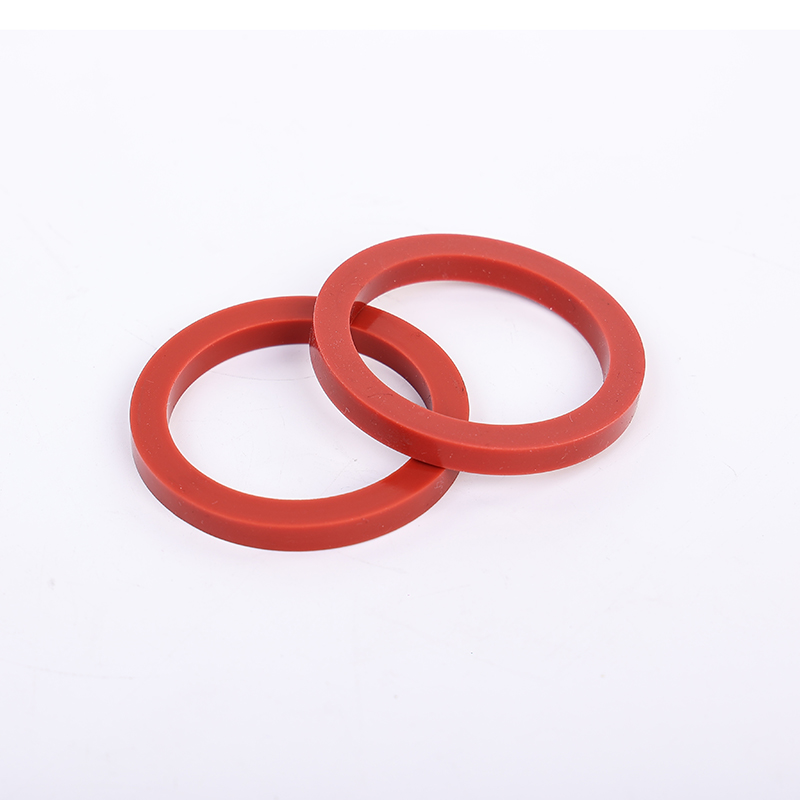
Silicone and EPDM appear side by side in many outdoor and industrial systems, yet they solve different sealing problems. Both materials tolerate sunlight, ozone, and harsh weather, so they protect equipment used in open environments. However, their chemical behavior, temperature strength, and physical durability vary enough to influence material selection. Understanding these differences helps prevent leaks, early failures, and maintenance issues in systems that face moisture, heat, or chemical exposure.
Both silicone and EPDM perform well in outdoor sealing, and they survive long-term exposure to wind, UV rays, and ozone. EPDM resists cracking from sunlight, and it handles rain, humidity, and environmental cycles. Silicone also stays stable, and it avoids becoming brittle after years outdoors. It suits lighting fixtures, outdoor electronics, and rooftop components, where temperature shifts and constant UV exposure create stress. EPDM remains a strong option for roofs, garden equipment, and automotive weather systems.
EPDM tolerates steam, hot water, and many polar chemicals, and it works well around ketones or mild acids. It resists swelling in moisture-heavy environments, so it fits plumbing systems and steam-handling equipment. Silicone handles fewer chemicals well, and it reacts poorly to many solvents or oils. It remains stable in oxygen-rich environments, yet it struggles when exposed to certain industrial fluids. This limits its use inside chemical-processing systems but keeps it useful in clean, stable environments.
EPDM offers a temperature range around –50°C to +150°C, and it handles moderate heat easily. It supports sealing in water heaters, climate-control devices, and outdoor equipment that rarely experiences extreme temperatures. Silicone covers a broader range, reaching up to 230°C while staying flexible in cold conditions. It helps seals survive ovens, aerospace components, and electronics that generate heat. It also stays soft in freezing conditions, while some rubbers stiffen or crack under similar stress.
EPDM fits water systems, steam equipment, and outdoor hardware that faces moisture, UV radiation, and moderate heat. It supports hoses, valves, irrigation equipment, and HVAC components used every day. It provides reliable sealing where steam flows, or water pressure changes occur. Silicone wins in electronics, aerospace, and static high-temperature sealing. It suits sensors, connectors, ovens, and high-heat housings that handle extreme temperatures and environmental cycling. It offers flexibility when cold, yet it resists thermal stress that might damage other materials.
Silicone and FKM/Viton serve two very different sealing needs, and they often appear in industries that deal with heat, chemicals, or high-pressure systems. Silicone handles extreme temperatures well, and it stays flexible when many rubbers begin to harden. FKM, also known as Viton, delivers exceptional stability around fuels, acids, and solvents. These materials help equipment avoid leaks, swelling, or failure, but they succeed in opposite environments, so choosing correctly matters for long-term reliability.
Viton dominates in chemical exposure, and it remains stable in fuels, oils, acids, and aggressive organic solvents. It keeps its structure when submerged in harsh fluids, so it prevents swelling or breakdown. Many chemical-processing systems rely on FKM because it resists degradation where silicone fails instantly. Silicone reacts poorly to oils and solvents, and it softens or expands when surrounded by aggressive chemicals. It performs well only in low-chemical environments where contact stays minimal.
Viton operates between –20°C and +210°C, and it handles sustained heat in engines, chemical plants, and high-load machinery. It retains strength while carrying pressure, and it tolerates moderate cold. Silicone covers a slightly wider range, from –50°C to +230°C, and it stays elastic during extreme temperature changes. It works in aerospace components, heating systems, and electronics where temperatures rise fast or drop sharply. It also maintains softness at freezing temperatures that cause other rubbers to stiffen.
Viton provides superior mechanical strength, and it survives dynamic movement, pressure cycling, and vibration. It offers strong tear resistance and abrasion resistance, making it fit for pumps, valves, actuators, or rotating equipment. Silicone tears easily, and it lacks the physical durability needed for systems that move constantly. It suits static sealing in environments where mechanical loads stay low. Its flexibility remains an advantage, yet rapid movement or friction can damage the material quickly.
Viton works best in systems that handle aggressive chemicals, heavy fuels, or industrial solvents. It appears in fuel injectors, chemical reactors, hydraulic assemblies, and industrial pumps. It stays resilient in demanding environments where contamination or chemical attack pose risks. Silicone fits high-temperature, low-chemical environments such as ovens, aerospace components, lighting enclosures, and climate-control systems. It protects systems exposed to thermal stress, yet it requires minimal chemical contact to perform well.
Silicone and FFKM serve completely different levels of performance, and both appear in industries that demand reliability under extreme conditions. Silicone helps equipment survive high temperatures or outdoor exposure, while FFKM delivers near-universal chemical resistance and stands as one of the most advanced sealing materials available. Engineers often compare these two materials when projects involve sensitive equipment, harsh chemicals, or critical environments where seal failure is unacceptable.
FFKM offers near-universal chemical compatibility, and it remains stable in environments that would destroy most elastomers instantly. It tolerates strong acids, fuels, aggressive solvents, and oxidizing agents, and it keeps its structure under continuous chemical attack. This makes it reliable for highly corrosive processes, including semiconductor cleaning cycles or pharmaceutical production, where purity and chemical resistance remain essential. Silicone cannot match this level of performance, and it breaks down quickly when exposed to many industrial fluids.
FFKM provides superior thermal stability, and many grades resist extreme heat while maintaining mechanical strength. It performs in high-temperature chemical reactors or vacuum systems, and it retains elasticity under heavy load. However, this performance comes at a high cost, so teams must justify the added expense. Silicone absorbs temperature swings well, and it handles up to about 230°C in many static applications. It also stays flexible at low temperatures, yet it cannot endure intense chemical conditions or pressure cycling the way FFKM does.
FFKM replaces silicone when chemical exposure becomes too aggressive or when cleanroom environments require a material that will not break down or shed particles. It excels in semiconductor tools, pharmaceutical manufacturing, and high-purity chemical delivery systems. These applications rely on seals that must resist plasma, strong acids, or sterilization chemicals. Silicone fits well in high-temperature, low-chemical environments, but it cannot provide the same reliability in heavily engineered systems.
Silicone offers roughly 60–70% of the performance needed in many applications at a fraction of FFKM’s cost. It works well for high-temperature static environments, outdoor sealing, and devices that demand flexibility. FFKM, in contrast, provides unmatched chemical and thermal performance, but its high cost restricts it to mission-critical roles where replacement or system failure would be more expensive than the material itself.
Tip: Choose FFKM for extreme chemical or high-purity environments. Use silicone when temperature matters more than chemical exposure and when cost efficiency is essential.
Silicone O-rings work well in high-temperature and static environments, yet they struggle in several demanding conditions. The material stays flexible, but it lacks the mechanical strength, chemical resistance, and abrasion durability required in many industrial systems. Knowing where silicone fails helps prevent leaks, seal damage, and unplanned downtime, especially when equipment runs under pressure or interacts with fuel-heavy fluids.
Silicone tears easily, and it cannot survive repeated movement or sliding contact. Pumps, valves, and pistons create friction that quickly damages the material, and vibration or continuous cycling makes the seal wear even faster. It performs best in static assemblies where motion stays minimal. Engineers avoid silicone in systems that involve rotating shafts, reciprocating parts, or rapid pressure fluctuations because the material loses integrity once friction increases.
Silicone reacts poorly to petroleum-based oils, fuels, and many industrial solvents. It swells when exposed to these substances, and swelling weakens the structure, allowing gaps or leaks to form. The material becomes soft or deformed, and it loses its ability to maintain a tight seal. Nitrile and Viton outperform silicone in chemical-rich environments, and they remain stable where silicone would break down quickly. This makes silicone a risky choice for fuel tanks, hydraulic pumps, and oil lines.
Silicone lacks the tensile strength needed for high-pressure sealing, and it stretches more than other elastomers when under load. Systems that rely on strong mechanical stability—such as hydraulic equipment or compressed-air devices—often push silicone beyond its limits. It cannot resist extrusion or stress cracking when the pressure rises sharply. Materials like NBR or FKM manage high pressure far better and offer more predictable performance in heavy-duty conditions.
NBR supports petroleum-based systems and handles oils or fuels easily. FKM suits environments filled with aggressive chemicals, strong solvents, or high-pressure equipment. EPDM fits water systems, steam exposure, and outdoor hardware exposed to sunlight and weathering. These materials complement each other, and they offer safer performance in places where silicone cannot survive long-term.
Silicone O-rings perform well in high heat and static outdoor use. They fail in oils, fuels, and dynamic systems because they tear easily. Choosing the right material depends on the environment and the system needs. LIXU offers reliable sealing products that support demanding conditions and help equipment run safely and efficiently.
A: A silicone O-ring handles extreme temperatures better, while other materials offer stronger chemical or abrasion resistance.
A: A silicone O-ring should not be used in oil, fuel, or high-pressure systems because it swells or tears easily.
A: A silicone O-ring works best in high-temperature static seals, while NBR and FKM perform better in oil or chemical environments.
A: A silicone O-ring resists UV, ozone, and weathering, making it ideal for long-term outdoor exposure.


